
I still remember the first time I scraped a real vanilla bean into shortbread dough. I was maybe nine, on a kitchen stool in my grandmother’s apartment, and she handed me the back of a paring knife and told me to “press hard, cara.” The tiny black seeds that bloomed on the dough felt like magic, and the cookies were the most buttery, melt-on-your-tongue things I had ever tasted. I have chased that flavor ever since.
These chocolate dipped vanilla bean shortbread cookies are my grown-up version of that memory. They are crisp at the edges, tender in the middle, and speckled all the way through with those gorgeous vanilla seeds. The dark chocolate dip is a quiet, elegant finish. Have you ever made shortbread with a real bean before? If not, I think this recipe will convert you for good.
The Trick That Makes These Shortbread Sing
Shortbread only has a handful of ingredients, so every one matters. Here is the part most home bakers skip: cream the butter longer than you think. You want it pale and almost fluffy before the sugar goes in. That extra minute of beating traps air pockets that give the cookies their delicate, sandy crumb instead of a dense, hard snap.
The other trick is the vanilla. Extract is fine in a pinch, but a real vanilla bean — or a teaspoon of vanilla bean paste — turns these into the kind of cookies people close their eyes to eat. You will see the seeds flecked through the dough.
Ingredients
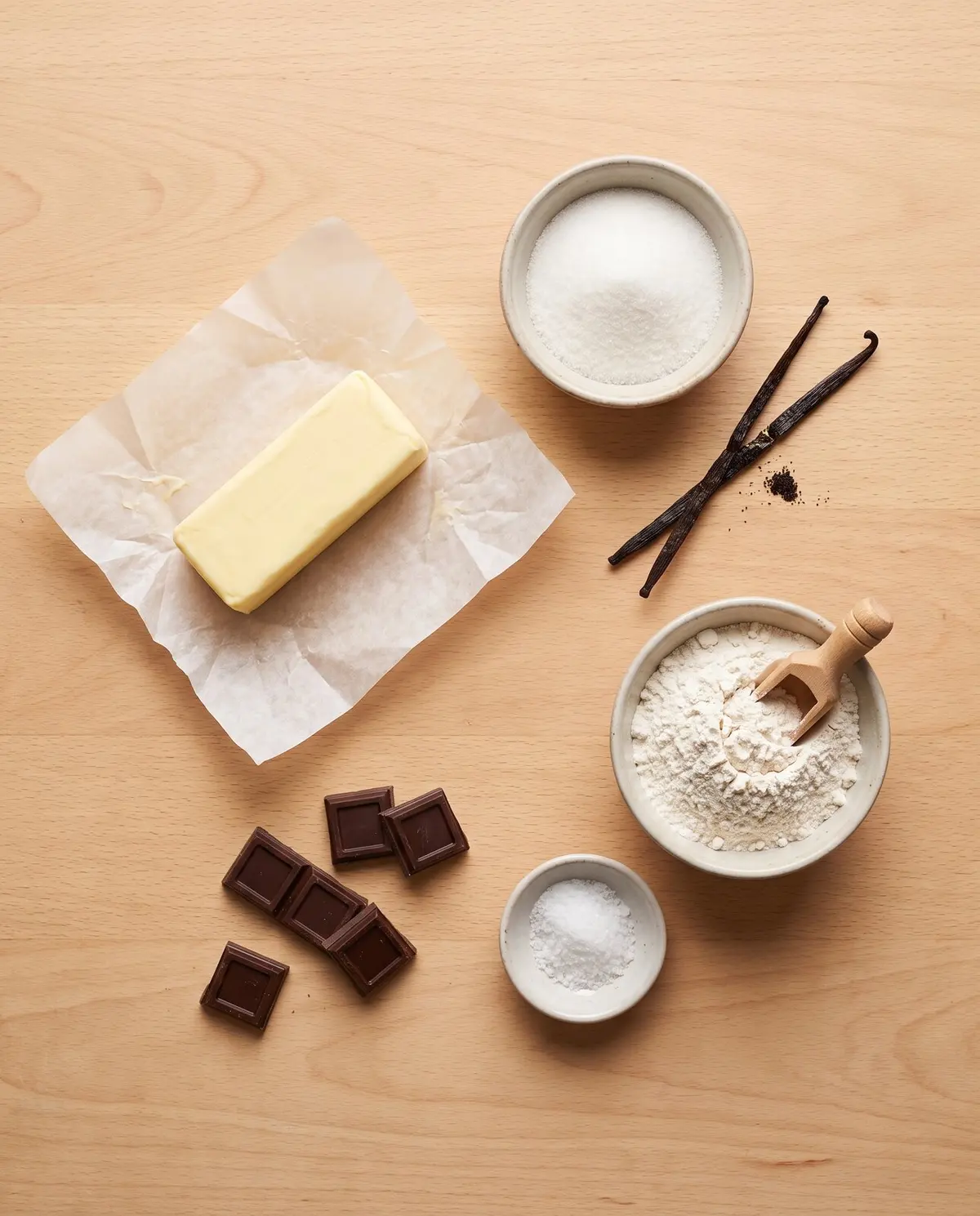
- 12 tablespoons (1 1/2 sticks) unsalted butter, softened to cool room temperature
- 1/4 cup granulated sugar
- 1 tablespoon pure vanilla extract
- Seeds scraped from 1/2 vanilla bean (or 1 teaspoon vanilla bean paste)
- 2 cups all-purpose flour, plus extra for dusting
- 1/2 teaspoon fine sea salt
- 4 ounces dark chocolate, finely chopped (about 70% cacao)
- Flaky sea salt or sprinkles, for finishing (optional)
Here’s My Method
Step 1: Cream the butter until pale and fluffy. In a stand mixer with the paddle attachment, beat the butter on medium-high for 2 to 3 minutes, until it goes from yellow to almost ivory and looks pillowy. Scrape the bowl halfway through. Do not rush — this is the difference between good shortbread and great shortbread.
Step 2: Add sugar, vanilla, and vanilla bean seeds. Drop the speed to medium and sprinkle in the sugar. Add the vanilla extract and scrape in the vanilla seeds. Beat 2 more minutes, until fluffy and slightly whipped.
Step 3: Mix in the flour and salt. Reduce the speed to low. Add the flour and salt all at once and mix just until the dough comes together — it will look crumbly, then suddenly pull away from the bowl. Stop the mixer the second that happens. Overmixing is the fastest route to tough cookies.
Step 4: Roll, cut, and chill. Turn the dough out onto a lightly floured counter and pat it into a disc about 1/3 inch thick. Cut out shapes with your favorite cookie cutter and place them 2 inches apart on a parchment-lined baking sheet. Slide the tray into the fridge for 15 minutes while the oven preheats. Cold dough gives clean edges and less spread.
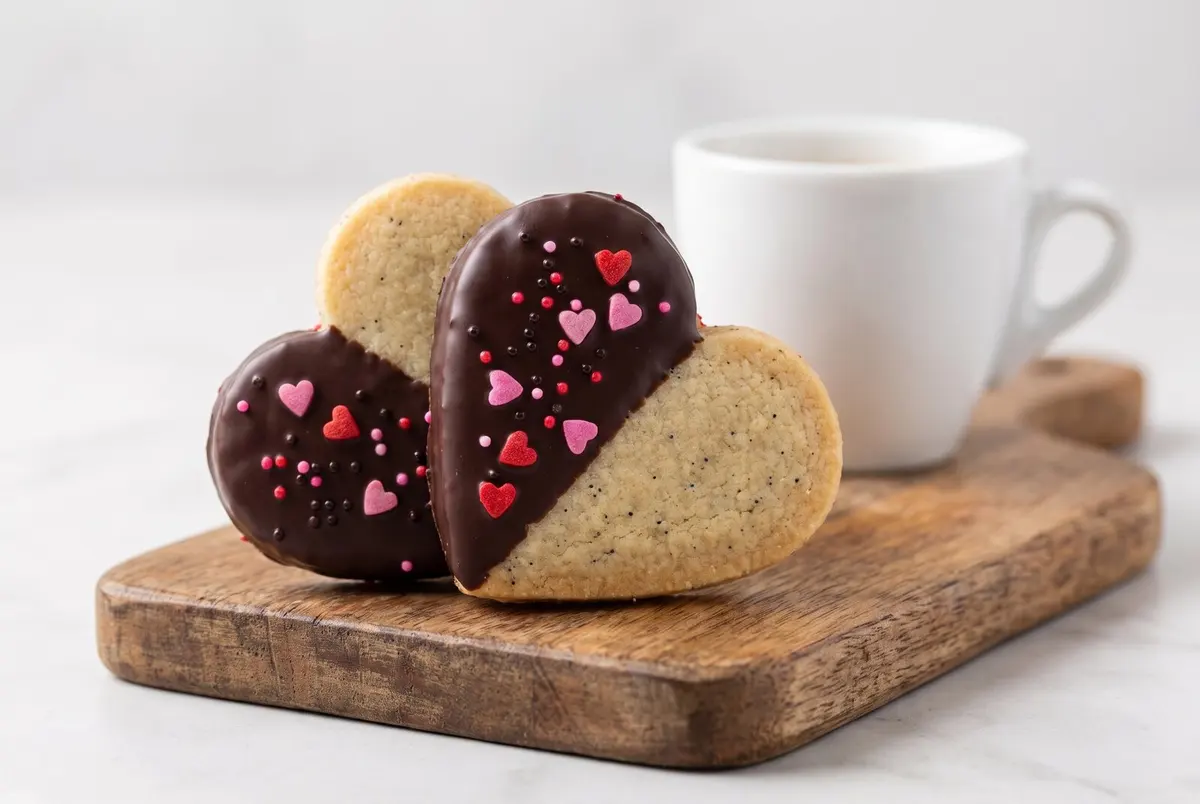
Step 5: Bake low and slow. Preheat the oven to 350°F (175°C). Bake the cookies for 12 to 14 minutes, until set and just barely golden at the edges with pale tops. They will look underdone in the middle — that is perfect. Cool on the sheet for 5 minutes, then transfer to a wire rack. They firm up as they cool, so be patient.

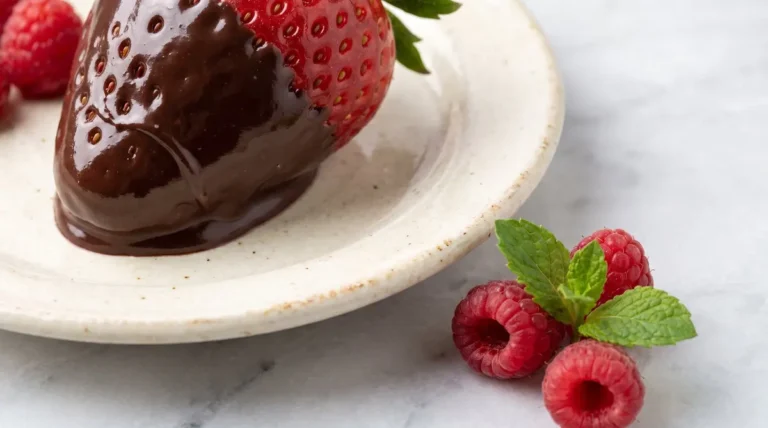
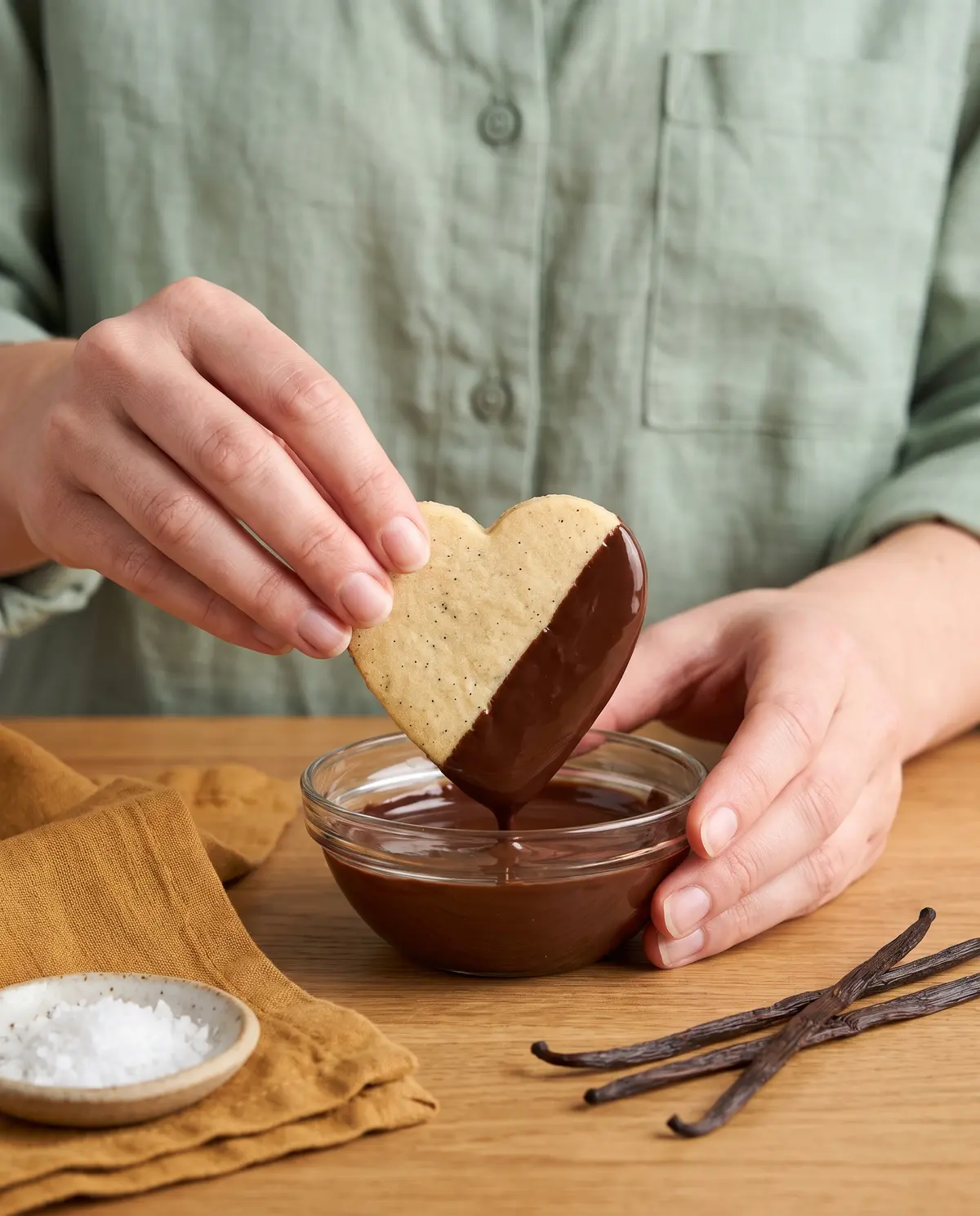
Step 6: Dip in chocolate. Once the cookies are completely cool, melt the chocolate in a heatproof bowl set over a saucepan of barely simmering water, stirring until silky. Pour into a narrow glass for a deep dipping pool. Hold each cookie by the edges, dip halfway, and let the excess drip back. Set on a parchment-lined tray. Sprinkle with flaky salt or sprinkles while the chocolate is still wet, if you like.
Step 7: Let the chocolate set. Let the dipped cookies sit at room temperature for about an hour, or pop the tray in the fridge for 15 minutes if you are impatient. The chocolate will go from glossy to matte, and the cookies will release cleanly from the parchment. Then grab a cup of coffee and try one — just one, for quality control.
Creative Twists Worth Trying
- Brown butter: Brown the butter first, chill back to solid, then cream as usual.
- Citrus zest: Add the zest of one lemon or orange along with the sugar.
- Pistachio sprinkle: Sprinkle finely chopped pistachios on the wet chocolate.
- Espresso dust: Stir 1 teaspoon of instant espresso into the flour.
- White chocolate drizzle: Drizzle melted white chocolate over the dark once set.
- Holiday shapes: Stars, trees, hearts — beautiful edible gifts.
Serving & Pairing Ideas
These cookies are a dream with a strong cup of coffee, a glass of cold milk, or a tiny pot of Earl Grey. For an after-dinner dessert plate, arrange them with fresh berries and a few shards of dark chocolate. They also make a beautiful homemade gift — stack five or six in a cellophane bag with kitchen twine.
Storage & Make-Ahead Tips
The dough keeps in the fridge up to 3 days wrapped in plastic, so you can slice and bake whenever the mood strikes. Baked, undipped cookies keep in an airtight container at room temperature for about a week. Once dipped, they are best within 5 days in a single layer. You can freeze baked cookies up to 2 months — thaw on the counter, then dip.
Common Mistakes & Easy Fixes
- Cookies spread too much: Your butter was too warm. Chill cut cookies 15 minutes before baking.
- Cookies are tough: You overmixed. Stop as soon as the dough comes together.
- Cookies too dark on the bottom: Your oven runs hot. Drop 25°F and bake a bit longer.
- Chocolate seizes when melting: A drop of water got in. Start over with dry equipment.
- Chocolate cracks when you bite: The cookies were too cold when dipped. Let them come fully to room temperature first.
Your Shortbread Questions, Answered
Can I use salted butter instead of unsalted? You can, but skip the added salt. The flavor will be slightly more savory.
Do I really need a vanilla bean? No. Use 2 teaspoons of good pure vanilla extract, or 1 teaspoon of vanilla bean paste. The bean is a luxury, not a requirement.
Can I use milk chocolate instead of dark? Absolutely. Milk chocolate makes a sweeter, more kid-friendly dip. White chocolate works too, though it can be fussier.
Why did my shortbread go brown on top? Your oven may be a bit hot. Move them down a level and try 325°F for a longer bake.
Can I make these ahead for a party? Yes — bake up to a week in advance and dip them the day of. The chocolate will look its freshest.
How thick should I roll the dough? About 1/3 inch. Thinner cookies are crisper; thicker ones are softer and more buttery. A mood call.
A Little Goodbye from My Kitchen
Every time I bake these, I think of my grandmother and that first vanilla bean. The kitchen smelled like the inside of a pastry shop, and I felt like the most important sous chef in the world. That is what I hope these little cookies do for you — bring back a memory, or make a new one. Let me know how yours turn out.
Happy baking,
—Marina Caldwell
Buttery Vanilla Bean Shortbread Dipped in Dark Chocolate
Ingredients
- 12 tablespoons (1 1/2 sticks) unsalted butter, softened
- 1/4 cup granulated sugar
- 1 tablespoon pure vanilla extract
- Seeds from 1/2 vanilla bean (or 1 teaspoon vanilla bean paste)
- 2 cups all-purpose flour, plus extra for dusting
- 1/2 teaspoon fine sea salt
- 4 ounces dark chocolate, finely chopped
- Flaky sea salt or sprinkles, for finishing (optional)
Instructions
- 1Cream the butter on medium-high for 2-3 minutes until pale and fluffy.
- 2Add sugar, vanilla extract, and vanilla bean seeds. Beat 2 more minutes.
- 3Mix in flour and salt on low just until the dough comes together.
- 4Roll dough 1/3 inch thick, cut shapes, and chill 15 minutes.
- 5Bake at 350°F for 12-14 minutes until edges are pale golden. Cool completely.
- 6Melt dark chocolate, dip each cooled cookie halfway, and set on parchment.
- 7Sprinkle with flaky salt or sprinkles if using, and let chocolate set before serving.
Notes
For best flavor, use a real vanilla bean. Substitute 1 teaspoon vanilla bean paste if a whole bean is not available. Store dipped cookies in a single layer at room temperature up to 5 days.