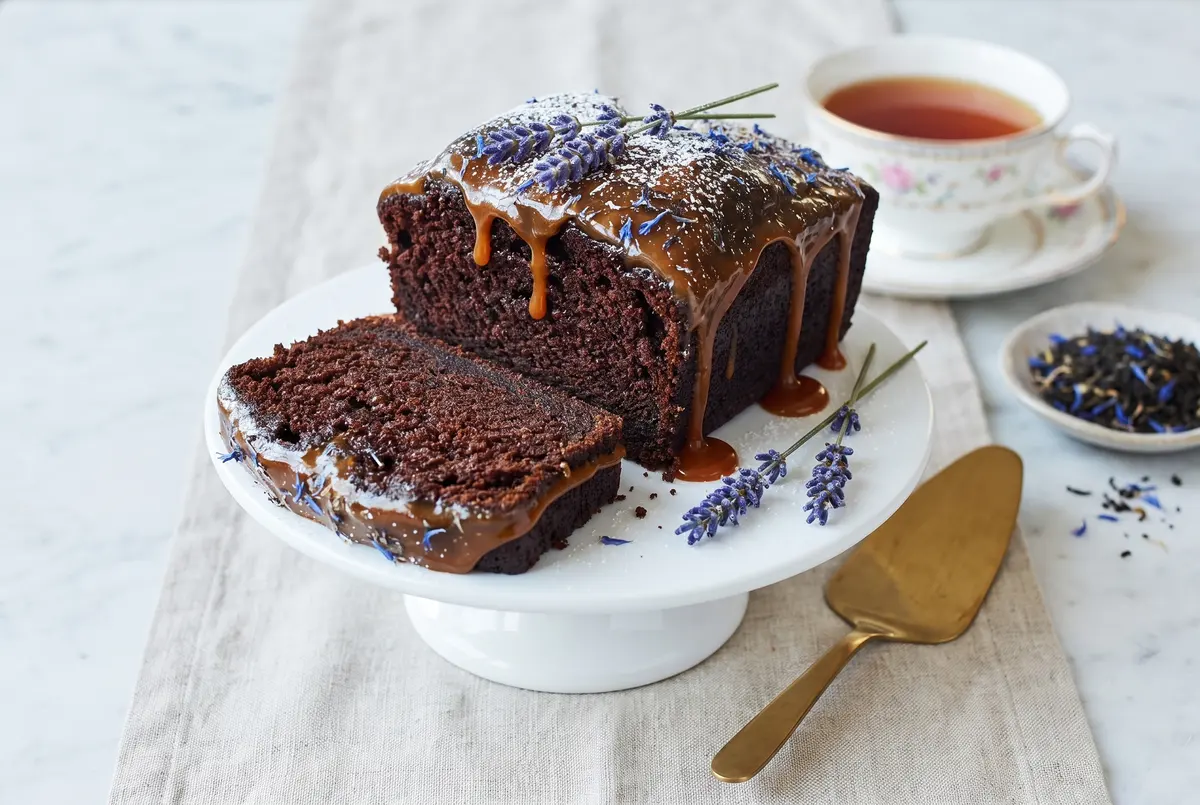
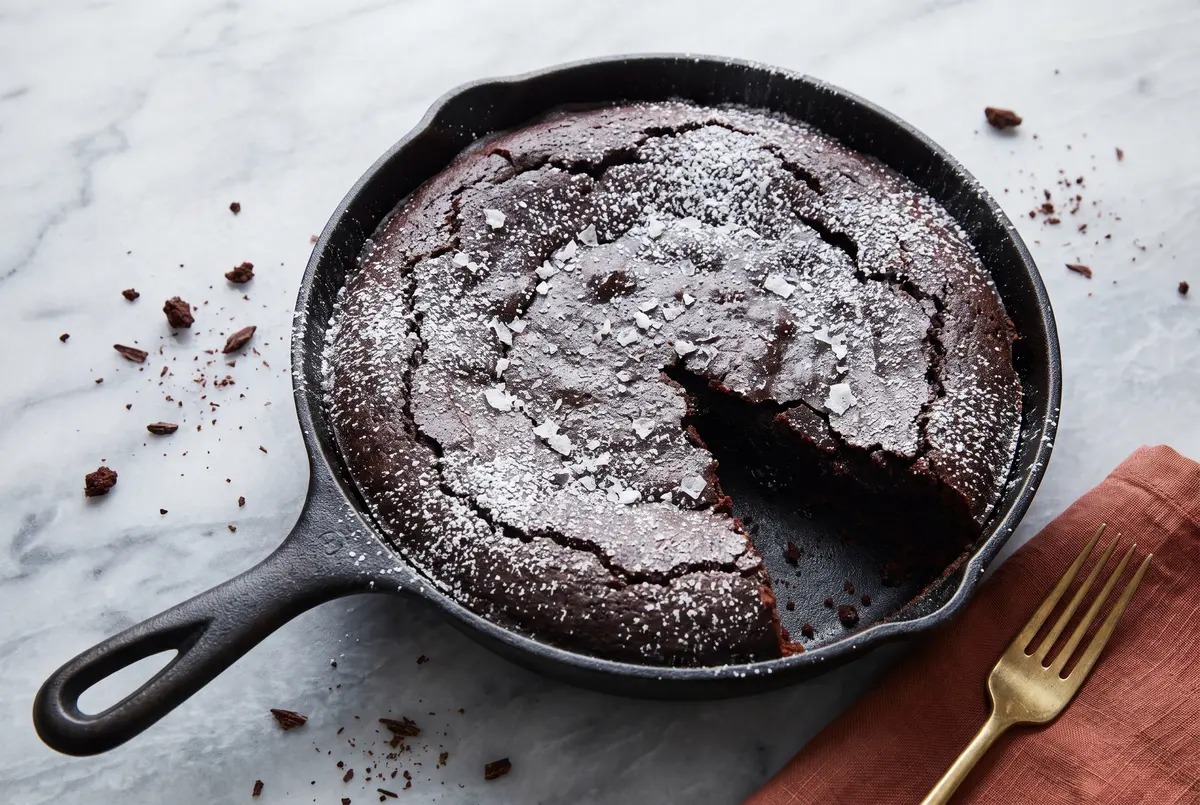
There is something almost defiant about a cake that asks for olive oil instead of butter. The first time I baked one, I had half a mind to apologize to my grandmother — she would have raised an eyebrow at a good Sicilian oil being poured into a chocolate batter. Then I tasted it. Fudgy, almost silken at the center, with a savory whisper underneath all that dark chocolate. She would have understood, I think. She loved recipes that had a quiet trick to them.
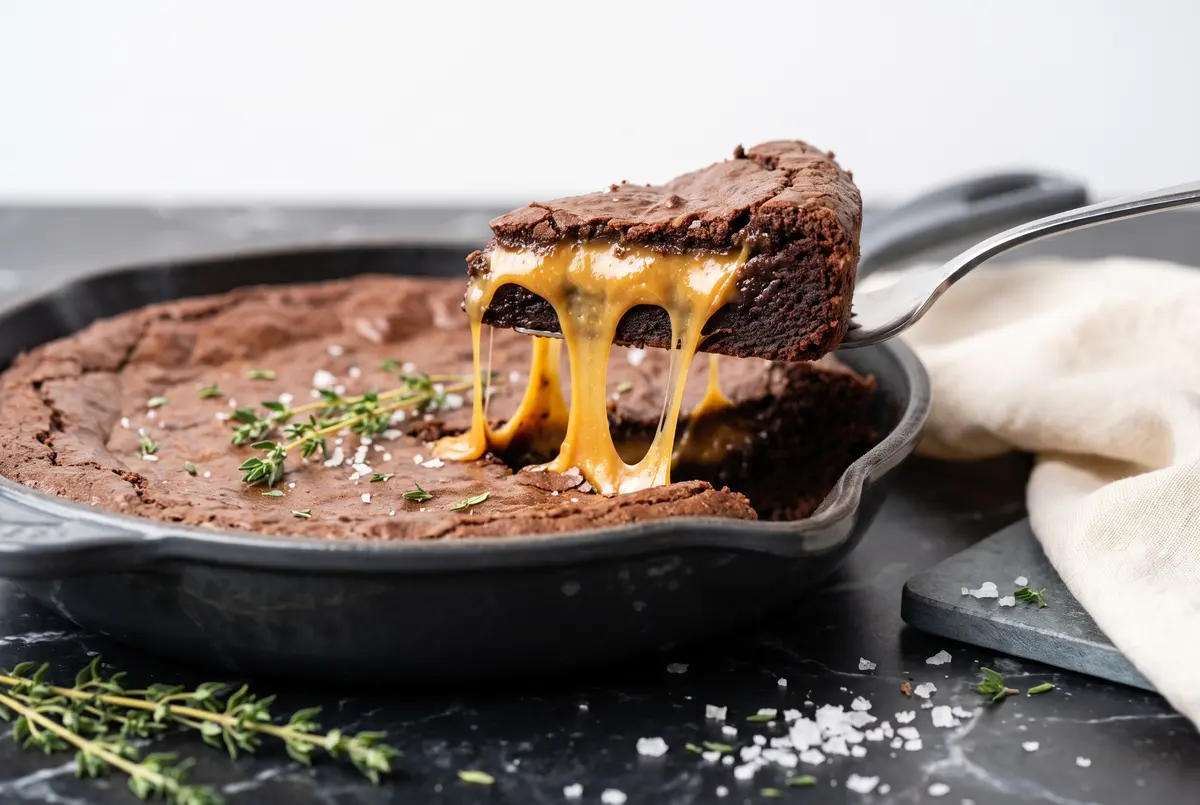
This is that cake. It is the one I make when friends come over and I want to look like I tried harder than I did. Ten minutes of whisking, a single bowl (mostly), and the oven does the rest. The only real decision is how long you let it bake — pull it at thirty minutes for a soft, almost truffle-like middle, or ride it to forty for something closer to a brownie. Both are right. I have not found a wrong one yet.
Why Olive Oil Works Here
Most cakes rely on butter for tenderness, and butter is wonderful. But butter is also about 80% fat, 16% water, and a fair amount of milk solids that brown and behave in particular ways. Olive oil is 100% fat — pure liquid fat, no water, no dairy — and that changes everything. The crumb stays moister, longer. The chocolate flavor gets to be the loudest voice in the room instead of competing with browned butter notes. And a really good extra-virgin olive oil brings a peppery, faintly grassy thing to the cake that nobody can quite name, but everyone notices when it is gone.
The other small trick: cocoa bloomed in boiling water. You pour boiling water over the cocoa and let it sit for a minute before you fold it in. The cocoa blooms — its flavor deepens and opens up — and the batter becomes almost black. That color is the color of a cake that means it.
Ingredients
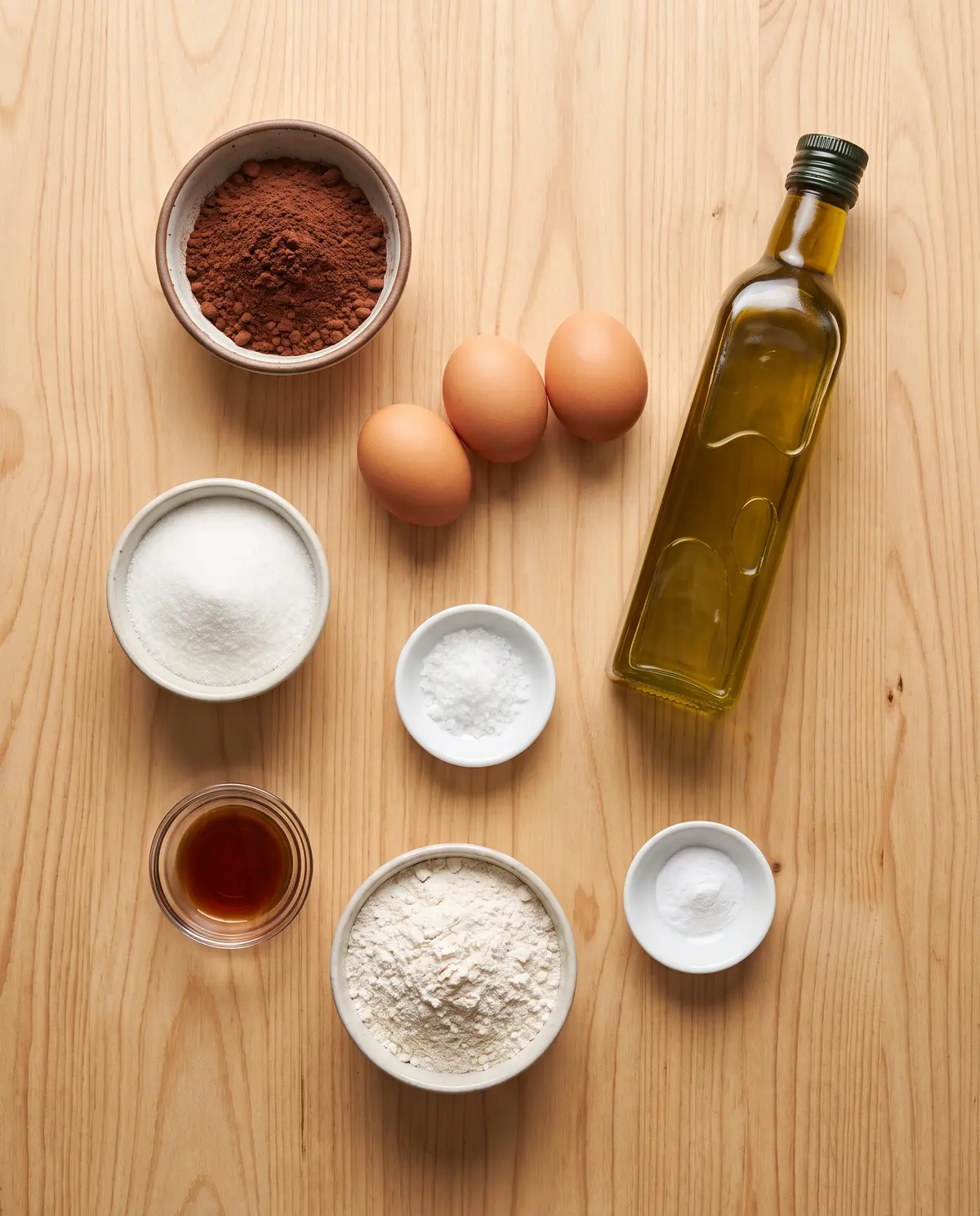
- ¾ cup extra-virgin olive oil (180ml), plus a little for greasing the pan
- ½ cup good-quality unsweetened cocoa powder (70g)
- ½ cup boiling water (120ml)
- 1 tablespoon pure vanilla extract
- 1⅓ cups all-purpose flour (165g)
- ½ teaspoon baking soda
- 1 teaspoon sea salt
- 1 cup super-fine sugar (195g)
- 3 large eggs
- Flaky sea salt, for finishing
From Bowl to Plate — My Step-by-Step Method
Have you ever noticed how the best chocolate cakes are the ones that take the least convincing? Pour, whisk, bake. The batter comes together in the time it takes to preheat the oven, and the oven does the slow, patient work for the next half hour. While it bakes, I make a quick cardamom cream — optional, but a small cloud of it on a warm slice is one of those quiet luxuries.
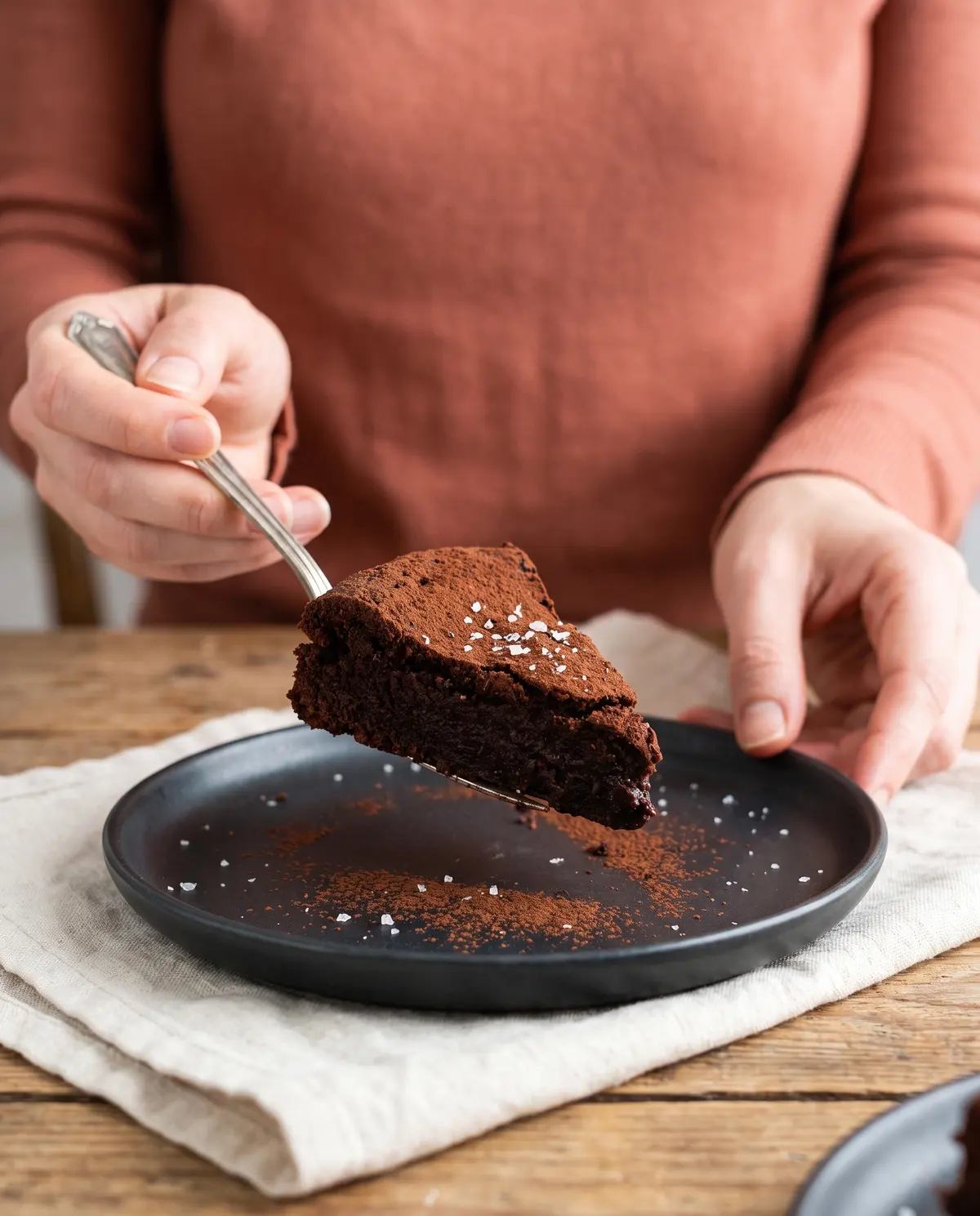
Step 1: Heat the oven and prep the pan. Preheat to 325°F (165°C). Grease a 9-inch springform pan with a thin slick of olive oil, then line the base with a round of parchment. The parchment is not optional — this cake is fudgy enough to grab onto a bare metal bottom, and you will be sorry later.
Step 2: Bloom the cocoa. Sift the cocoa into a medium bowl and pour the boiling water over it. Whisk until smooth, then whisk in the vanilla. Set aside for a minute or two to cool slightly while you do everything else.
Step 3: Whisk the dry ingredients. In a separate bowl, combine the flour, baking soda, and salt. Give it a quick whisk to break up any lumps.
Step 4: Cream the wet ingredients. In the bowl of a stand mixer fitted with the paddle (or a large bowl with a hand mixer), beat the sugar, olive oil, and eggs on medium-high for about three minutes. You want it pale, fluffy, and almost doubled in volume. This is where the cake gets its lift — air beaten into the eggs carries the structure since we are using so little flour.
Step 5: Bring it all together. Turn the mixer to low. Pour in the cocoa mixture, then add the flour mixture in three additions, mixing just until each disappears. Stop to scrape down the bowl once. Overmixing here is the only real way to mess this cake up.
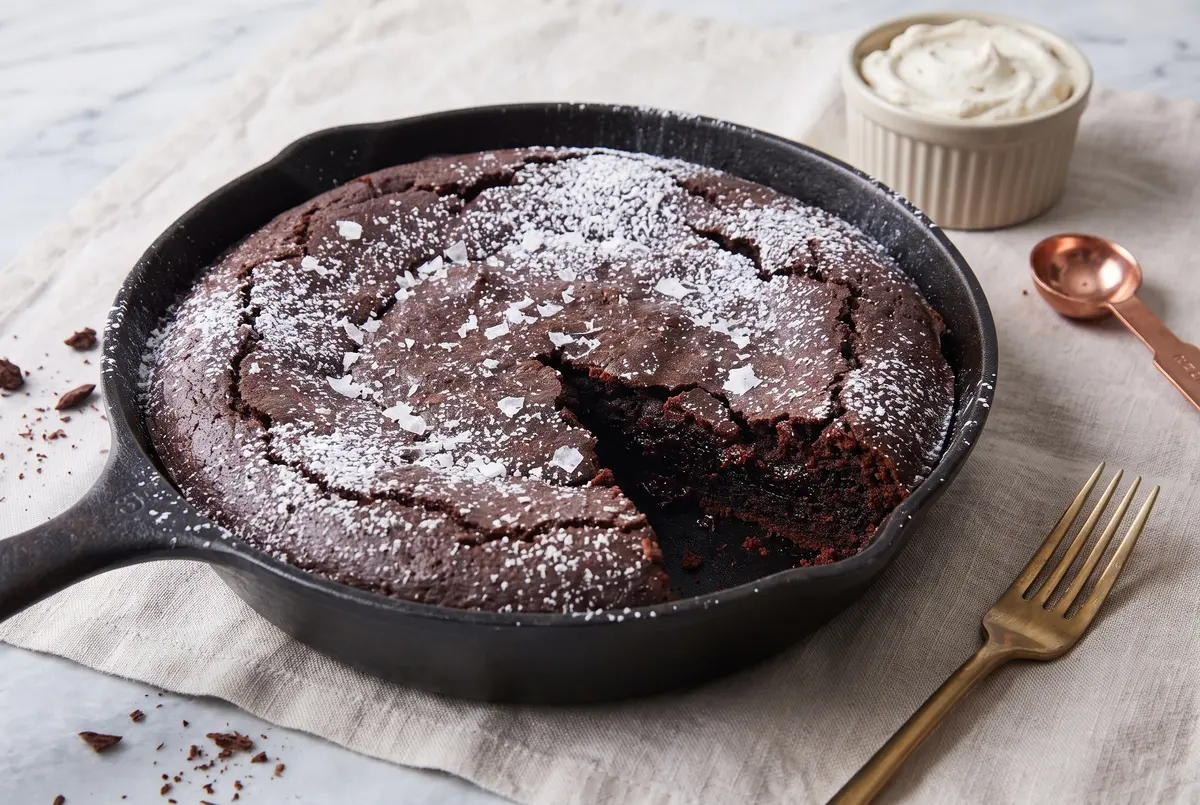
Step 6: Bake and cool. Pour the batter into the prepared pan and sprinkle the top generously with flaky sea salt. Bake for 30 to 35 minutes — start checking at 28. The sides should be set and pulling away from the pan; the center will still look a little moist and a tester should come out with just a few sticky crumbs. Let it cool in the pan for ten minutes, then run a knife around the edge and release the springform. Cool completely on a rack before slicing.
Creative Twists Worth Trying
- Espresso boost: Replace the boiling water with a strong shot of hot espresso. The cake gets even darker and a little more grown-up.
- Orange blossom: Swap the vanilla for 2 teaspoons of orange blossom water and finish the top with strips of candied orange peel.
- Cardamom cream topping: Whip ½ cup cold heavy cream with ½ teaspoon ground cardamom and 1 tablespoon powdered sugar. Spoon onto warm slices.
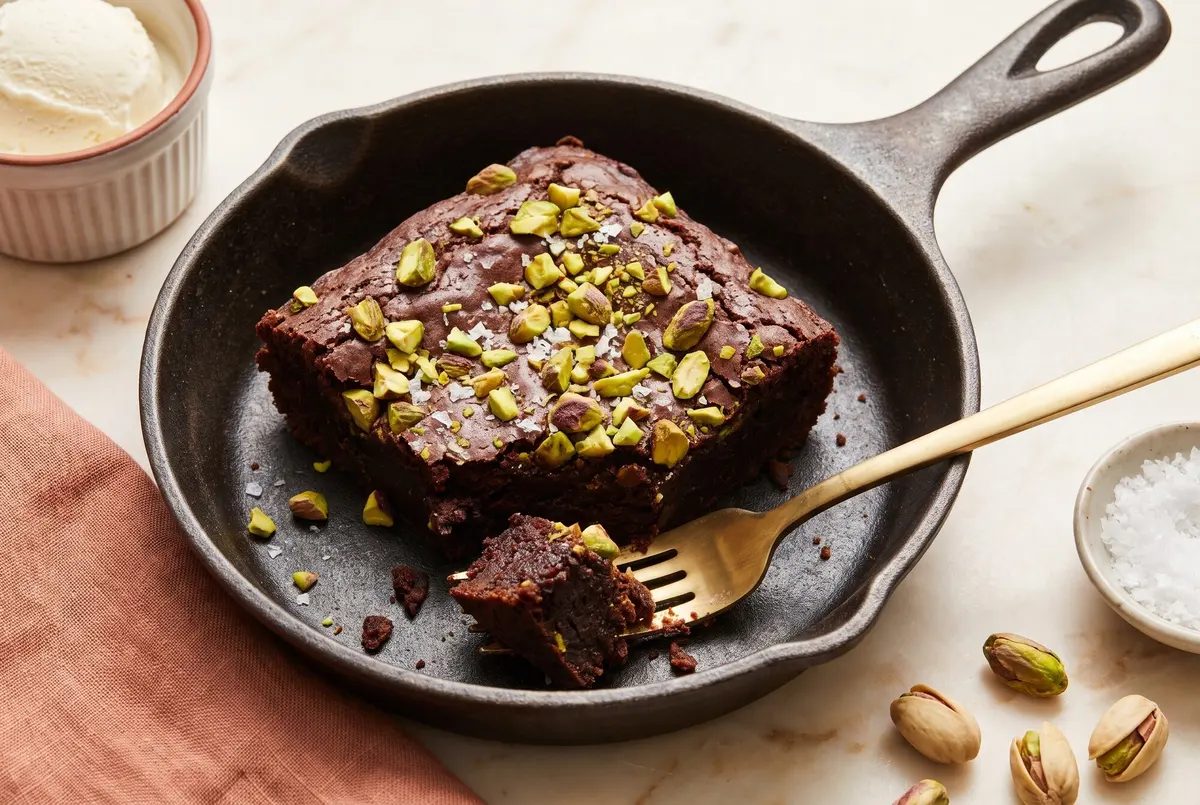
- Pistachio + rose: Serve each slice with crushed pistachios and a few dried rose petals for a Persian-leaning dessert plate.
- Olive oil glaze: Skip the cream and pour a 3-ingredient glaze over the cooled cake — ¼ cup olive oil, 1 cup powdered sugar, 1 tablespoon cocoa, whisked until pourable.
Serving & Pairing Ideas
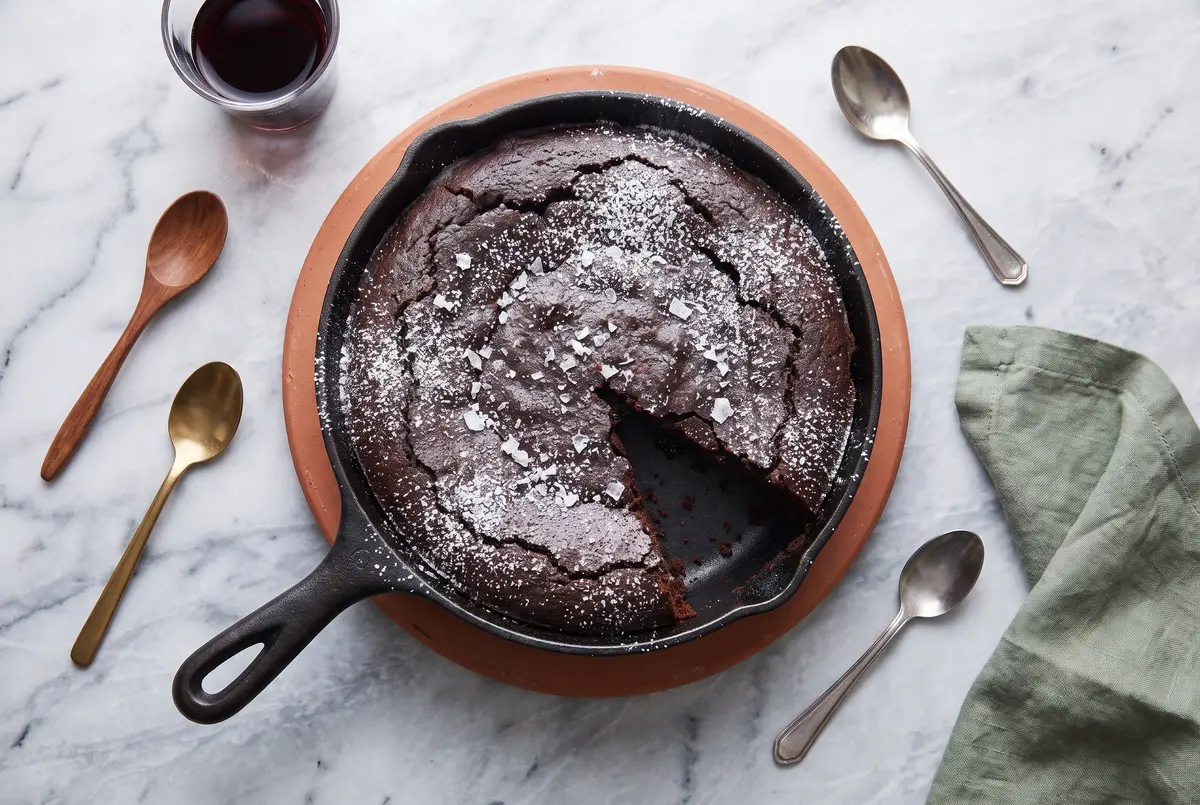
This cake is at its best slightly warm — not hot, just an hour or two out of the oven. A small dollop of barely-sweet whipped cream (or the cardamom cream above) takes it into dinner-party territory. For a weeknight dessert, a cold glass of milk and a single slice is the whole answer. If you are pouring wine, a tawny port or a late-harvest riesling plays beautifully against the bittersweet chocolate. And leftover cake for breakfast with cold coffee? I do not make the rules.
Storage & Make-Ahead Tips
Wrapped well in plastic, the cake keeps at room temperature for three days and in the fridge for a full week. Olive oil cakes actually improve overnight — the crumb gets even more tender and the flavor deepens, so this is a genuinely good make-ahead dessert. You can bake it the night before a dinner party and slice it the next day with no loss of magic. For longer storage, wrap individual slices in plastic and foil and freeze for up to two months; thaw on the counter, still wrapped, for an hour.
Common Mistakes & Easy Fixes
- Skipping the parchment. Olive oil cake batter is sticky and the cake is fudgy — without parchment, you will lose the bottom to the pan. Line it, every time.
- Overbaking. If you wait until a tester comes out completely clean, you have gone too far. A few moist crumbs is exactly what you want for that truffle-soft center.
- Using a low-quality olive oil. The oil is a flavor driver here, not a background player. Use the good bottle. Save the cheap one for salad dressing.
- Opening the oven early. Resist the urge to peek before 25 minutes. The cake is still setting and a blast of cool air can make the center sink.
- Cutting while hot. The crumb needs ten minutes in the pan and another twenty on the rack. I know it is hard. I know it smells incredible. Wait.
Your Olive Oil Cake Questions, Answered
Can I use regular olive oil instead of extra-virgin?
You can, but you will lose the peppery, grassy notes that make this cake interesting. If all you have is plain olive oil, the cake will still be tender and chocolatey — just a little flatter in flavor. Save the cheap stuff for cooking, and buy a small bottle of a fruity extra-virgin just for this.
Will the cake taste like olive oil?
No — not in the way you are worried about. The chocolate and sugar are the dominant flavors. The olive oil shows up as depth and a faint savory undertone, the same way browned butter does in a non-chocolate cake. Most people cannot identify it blind; they just know the cake tastes unusually good.
Can I make this gluten-free?
Yes. A 1:1 gluten-free flour blend (the kind with xanthan gum already in it) swaps in cleanly. The crumb will be slightly more delicate, so let it cool fully in the pan before turning it out.
Can I bake it in a loaf pan instead?
Absolutely. A 9×5-inch loaf pan works well — the cake will take about 10 minutes longer to bake, and the tall, sliceable shape is great for serving. Tent it with foil at the 40-minute mark if the top is browning too fast.
How do I know when it is done without a cake tester?
Press the top gently with a clean fingertip. If it springs back and leaves no indent, it is done. If it leaves a soft impression, give it three more minutes. The center should still feel just barely set when you take it out — it will finish cooking on the cooling rack.
Can I halve the recipe for a smaller cake?
You can. Halve everything and bake in a 6-inch round pan. Reduce the bake time to about 25 minutes and start checking at 20. The smaller cake is adorable for two and keeps beautifully under a glass dome.
A Little Goodbye from My Kitchen
If you have been circling this recipe for a while, this is your nudge. The ingredient list is short, the steps are forgiving, and the result is the kind of cake that makes a Tuesday feel like something to mark. Make it once, and I think you will come back to it the way I do — for company, for quiet nights, for the simple joy of a warm slice and a glass of cold milk. Let me know how yours turns out, and which twist you tried first. I read every note you send.
Until the next recipe,
—Marina Caldwell
Easy Dark Chocolate Olive Oil Cake (Moist & Rich)
Ingredients
- ¾ cup extra-virgin olive oil (180ml), plus a little for greasing the pan
- ½ cup good-quality unsweetened cocoa powder (70g)
- ½ cup boiling water (120ml)
- 1 tablespoon pure vanilla extract
- 1⅓ cups all-purpose flour (165g)
- ½ teaspoon baking soda
- 1 teaspoon sea salt
- 1 cup super-fine sugar (195g)
- 3 large eggs
- Flaky sea salt, for finishing
Instructions
- 1Preheat the oven to 325°F (165°C). Grease a 9-inch springform pan with a thin slick of olive oil, then line the base with a round of parchment paper.
- 2Sift the cocoa into a medium bowl and pour the boiling water over it. Whisk until smooth, then whisk in the vanilla. Set aside to cool slightly while you prep the dry ingredients.
- 3In a separate bowl, whisk together the flour, baking soda, and sea salt to break up any lumps.
- 4In the bowl of a stand mixer fitted with the paddle, beat the sugar, olive oil, and eggs on medium-high for about 3 minutes, until pale, fluffy, and almost doubled in volume.
- 5Turn the mixer to low. Pour in the cocoa mixture, then add the flour mixture in three additions, mixing just until each disappears. Stop once to scrape down the bowl. Do not overmix.
- 6Pour the batter into the prepared pan and sprinkle generously with flaky sea salt. Bake for 30 to 35 minutes, until the sides are set and a tester comes out with a few moist crumbs. Cool in the pan for 10 minutes, then release the springform and cool completely on a rack.
Notes
Use a good fruity extra-virgin olive oil here — the flavor is a real part of the cake.
For a softer, almost truffle-like center, pull the cake at 30 minutes. For a fudgy brownie-like texture, ride it to 35.
The cake keeps wrapped at room temperature for 3 days and improves overnight as the crumb relaxes.
Serve with a quick cardamom cream (½ cup heavy cream whipped with ½ tsp ground cardamom and 1 tbsp powdered sugar) for an extra-special finish.