The Night I Finally Stopped Fighting Sleep
Three years ago I was averaging maybe five hours of sleep a night, waking up at 2am with my brain already running a to-do list. A neighbor who keeps a small herb garden brought over a jar of dried chamomile flowers she had grown herself, and honestly I was skeptical.
I made a cup that first evening mostly to be polite. But something was different by the second week — I was falling asleep faster, waking up less, and feeling noticeably calmer in the hour before bed.
That small jar sent me down a research rabbit hole that eventually led me to plant my own chamomile patch, read through a stack of studies, and completely rethink how I approach evenings. This herb earned its place on my windowsill, and I want to share exactly why.
What Chamomile Actually Is
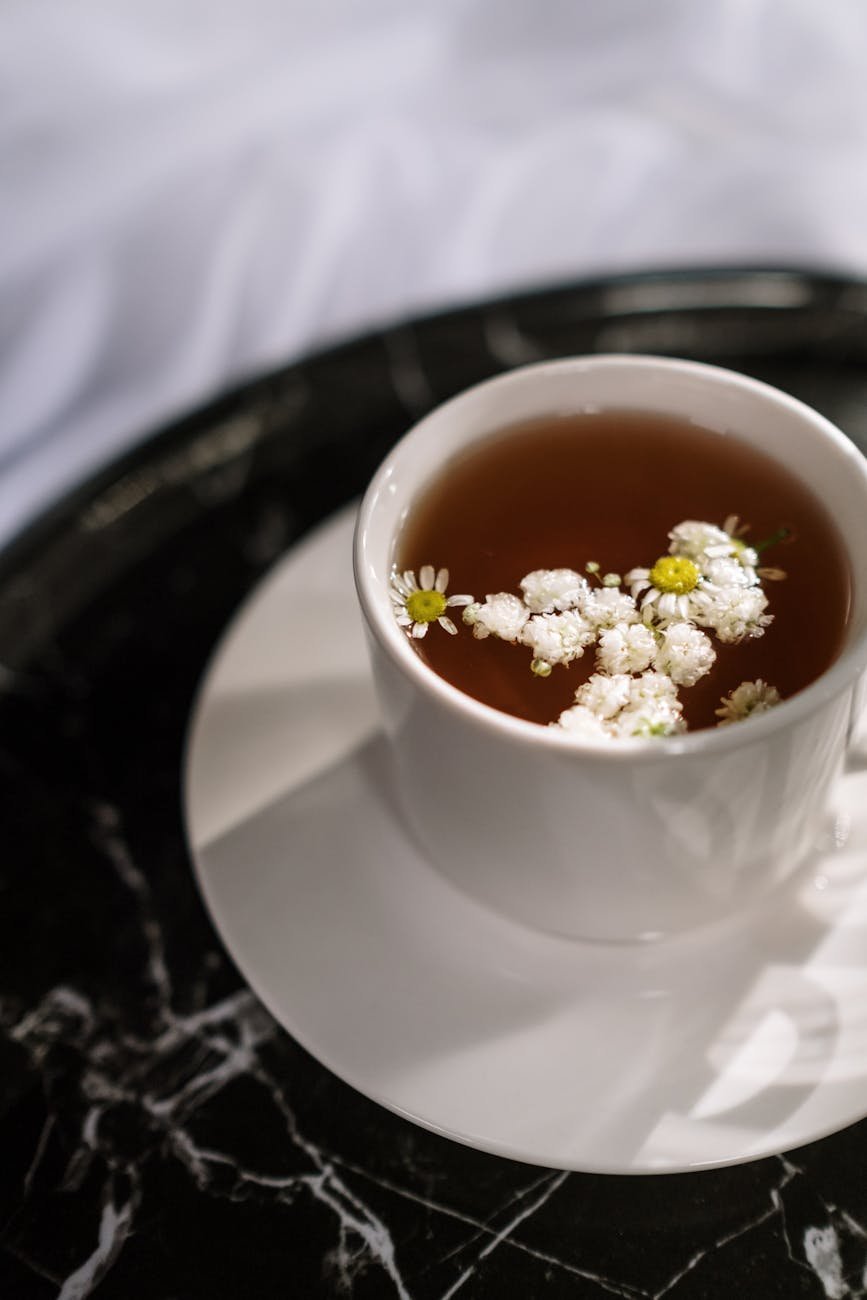
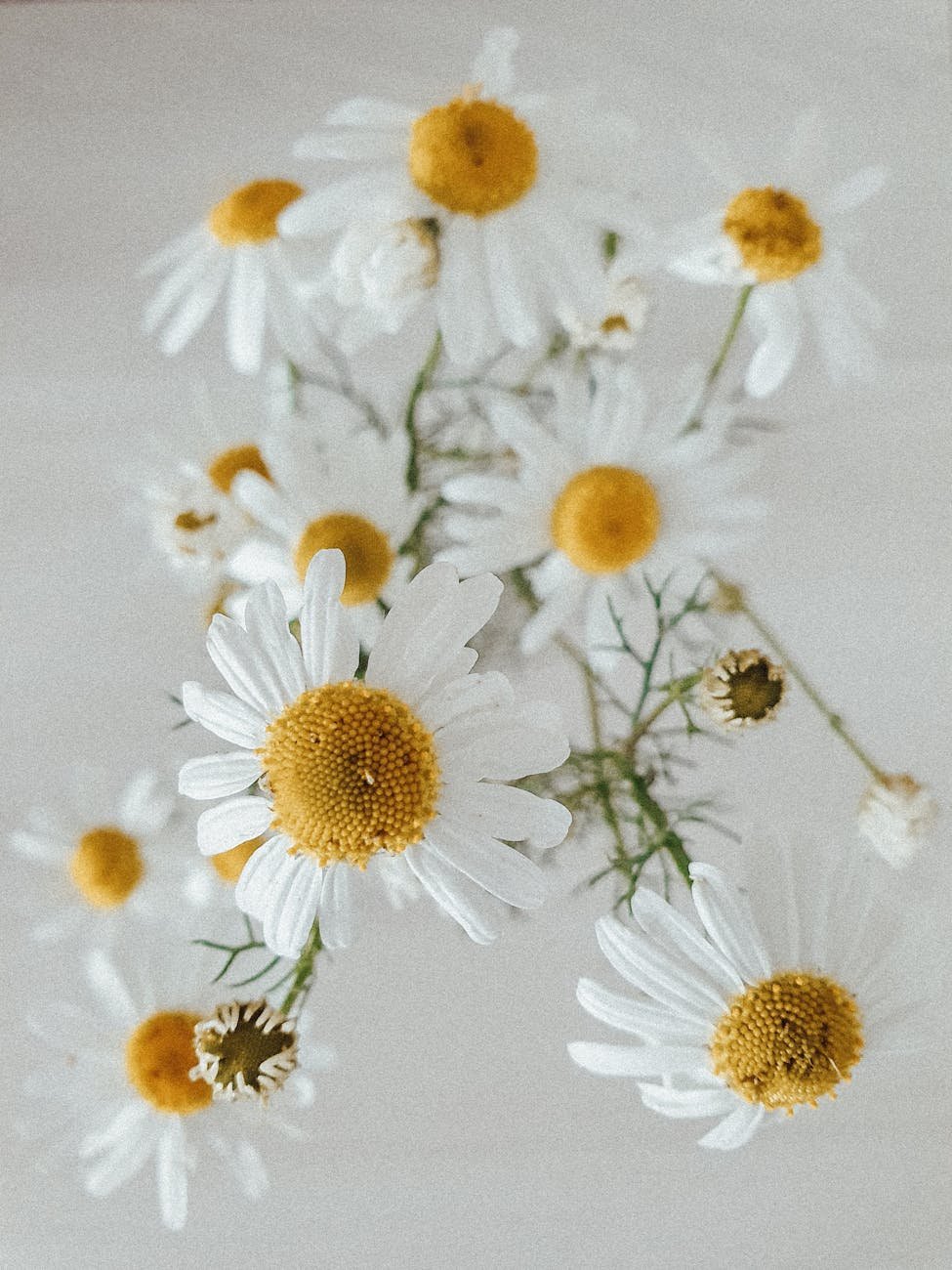
Chamomile refers most commonly to two plants: German chamomile (Matricaria chamomilla) and Roman chamomile (Chamaemelum nobile). German chamomile is the one most widely studied and the one I grow — its small white daisy-like flowers and hollow yellow centers are easy to recognize once you know what to look for.
Egyptians used it in cosmetic preparations and dedicated it to the sun god Ra. Greeks and Romans brewed it for fevers and digestive complaints. It spread across Europe through medieval monastery gardens, where monks kept meticulous records of its uses — records that modern researchers still reference today.
Here is the botanical fact that genuinely surprised me: chamomile belongs to the Asteraceae family, which makes it a close relative of ragweed, echinacea, and even sunflowers. That family connection matters enormously for anyone with allergies, and I will come back to it in the precautions section.
The essential oil extracted from chamomile flowers contains a compound called chamazulene, which does not even exist in the fresh plant. It forms only during the steam distillation process — that is what gives chamomile essential oil its deep, almost electric blue color.
What Chamomile Has Traditionally Been Used For — And What the Research Says
The longest-standing traditional use is for sleep and anxiety. Some studies suggest that a flavonoid in chamomile called apigenin binds to benzodiazepine receptors in the brain — the same receptors that prescription sedatives target, though with far milder effect. I want to be clear that chamomile is not a replacement for medication, but as a gentle daily support, the evidence is genuinely interesting.
Digestive complaints are the other major historical application. Chamomile has been used across many cultures for bloating, stomach cramps, gas, and irritable bowel flare-ups. Some studies suggest it acts as a mild antispasmodic, meaning it may help relax the smooth muscle tissue lining the gastrointestinal tract. My grandmother called it “stomach tea” and never questioned it further — turns out she was not wrong.
Topical use for skin irritation, minor wounds, and eczema has a longer research trail than I expected. Some studies suggest chamomile’s anti-inflammatory compounds, particularly bisabolol and chamazulene, may support skin recovery and reduce redness. I have used a cooled chamomile tea compress on minor sunburn myself and found it genuinely soothing.
There is also some early research into chamomile and blood sugar regulation, and a handful of small studies on its potential role in managing mild depression symptoms. These areas are far less established and I would not lean on them heavily — but they are worth watching as research continues.
How to Actually Use Chamomile
The most straightforward method is tea, and specifics matter more than people realize. Use about one heaping teaspoon of dried flowers per eight ounces of just-boiled water, cover the cup while it steeps, and leave it for a full ten minutes. Covering it keeps the volatile compounds — including apigenin — from evaporating into the air instead of into your cup.
For sleep support, I drink one cup roughly 45 minutes before I plan to be in bed. I sometimes blend it with a small amount of dried lavender, about a half teaspoon, which rounds out the flavor and adds its own calming properties. Quick tip: if you find straight chamomile tea slightly bitter, a small drizzle of raw honey brings it right into balance.
For digestive discomfort, a cup after a heavy meal works well for me. I keep dried chamomile in a small tin on my kitchen counter specifically for this purpose — it is a ten-minute habit that has replaced the antacid I used to reach for automatically.
Topically, you can brew a strong tea using two tablespoons of dried flowers in two cups of water, steep for fifteen minutes, strain well, and let it cool completely. Apply it with a clean cloth as a compress for irritated skin, minor rashes, or tired eyes. I have also added a cup of strong chamomile tea to a warm bath when my skin felt particularly reactive in winter.
Chamomile tinctures are another option if you want a more concentrated form. A typical dose in tincture form runs around 1 to 4 ml taken up to three times daily, though I would suggest starting low and paying attention to how your body responds. I stick mostly to tea because I grow my own flowers and the process feels grounding to me.
Growing Your Own or Finding Quality Chamomile
I grow German chamomile in a raised bed that gets full sun for most of the day, and it is honestly one of the least demanding plants I tend. Direct sow seeds on top of the soil in early spring — chamomile needs light to germinate, so do not bury them. They sprout within one to two weeks in decent conditions and will self-seed generously if you let a few flowers go to seed at the end of the season.
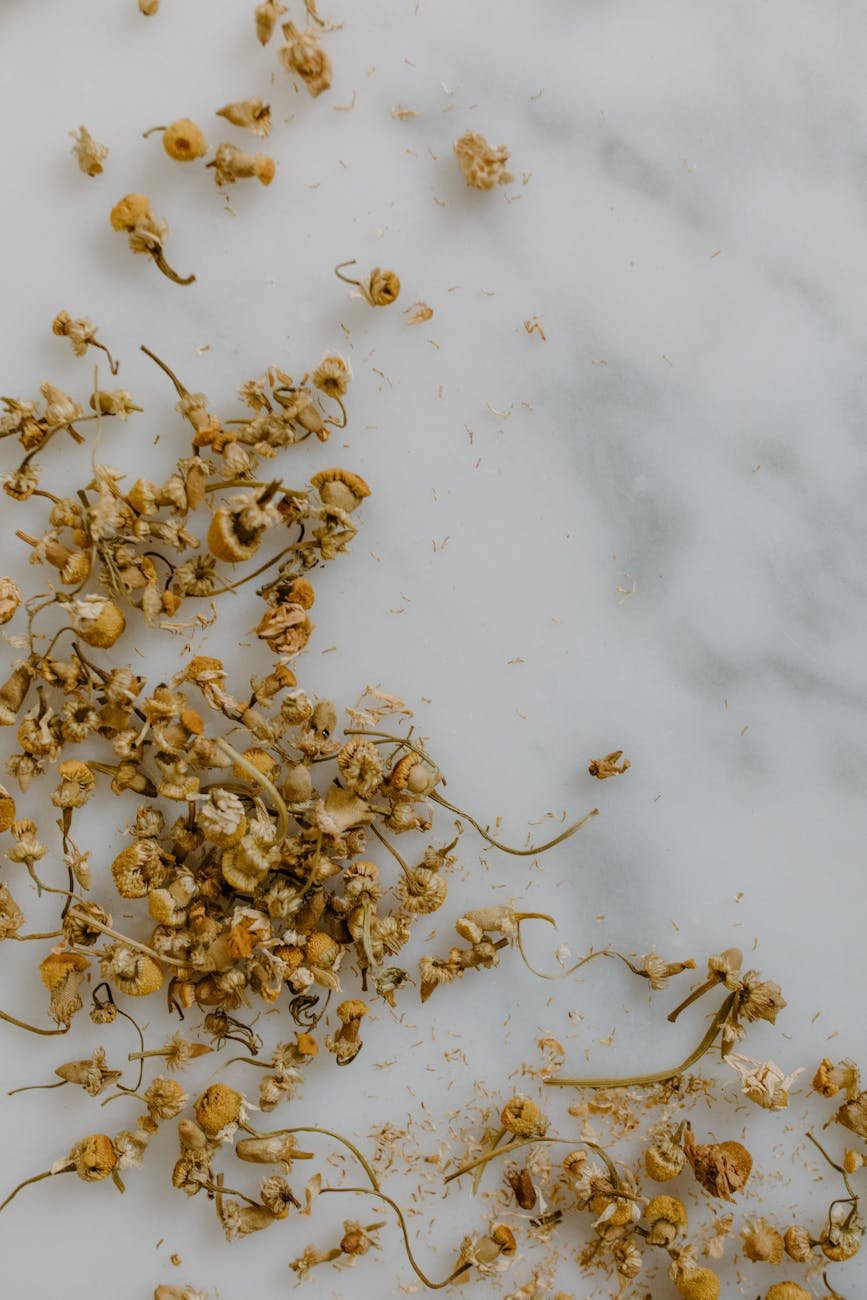
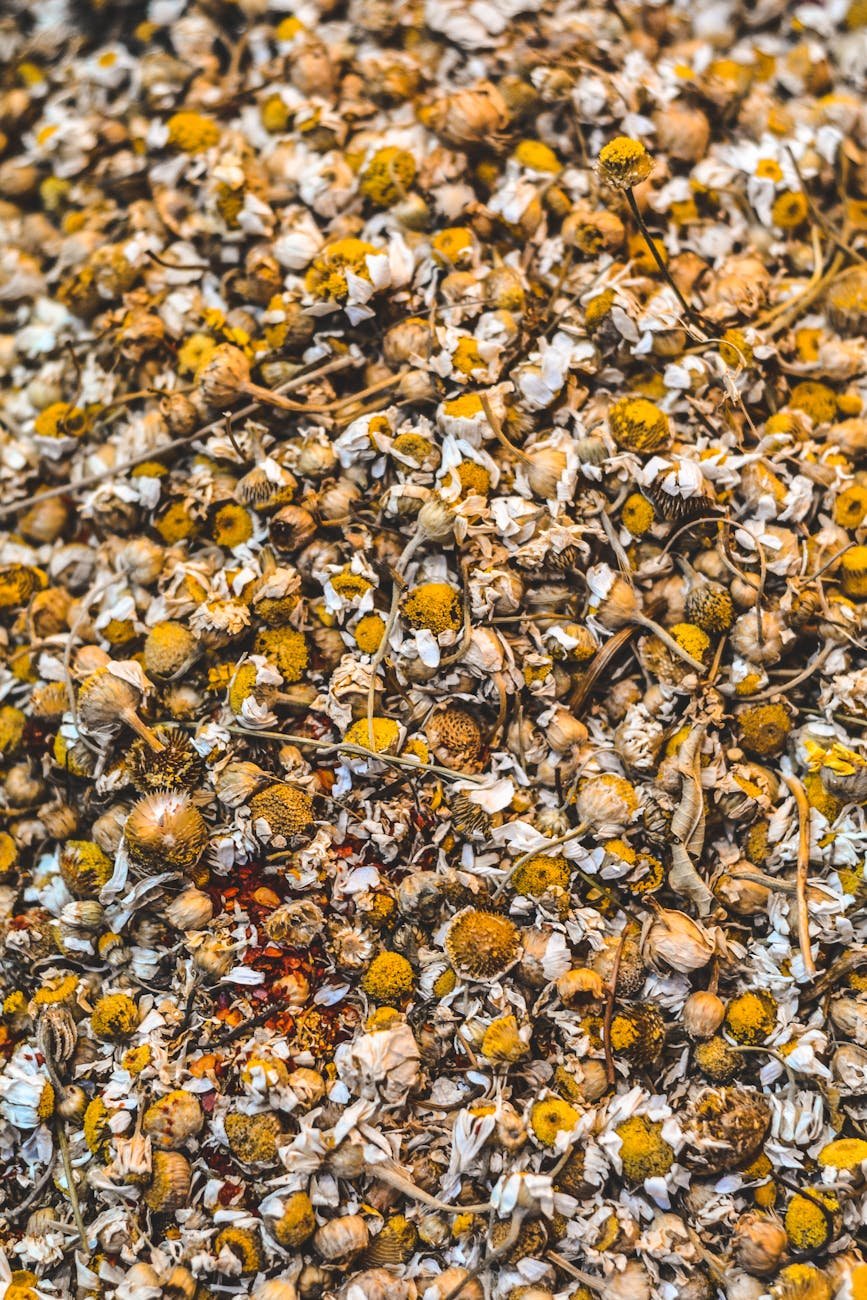
Harvest the flowers when the white petals are just beginning to reflex backward, which is when the aromatic compounds are at peak concentration. Lay them in a single layer on a mesh drying rack away from direct sun, and they will be fully dry in about a week. I store mine in a glass jar with a tight lid, away from heat, and they hold their quality well for up to a year.
If you are buying rather than growing, look for certified organic loose-leaf chamomile from a reputable bulk herb supplier rather than standard grocery store teabags. Many commercial teabags contain finely ground chamomile mixed with stems and other material, which gives you a weaker result. Mountain Rose Herbs and Frontier Co-op are two suppliers I have ordered from and trust, though I have no affiliation with either.
Precautions, Honest Reflections, and Where I Land on All of This
The most important caution: if you have a known allergy to ragweed, chrysanthemums, marigolds, or any other Asteraceae family plant, chamomile carries a real risk of allergic reaction. This can range from mild skin irritation to, in rare cases, more serious responses. Please talk to your doctor before using it.
Chamomile may interact with blood-thinning medications like warfarin, because some of its compounds have mild anticoagulant properties. If you are on any anticoagulant therapy, that is a conversation to have with your healthcare provider before adding chamomile regularly to your routine. Pregnant women are also generally advised to avoid medicinal amounts of chamomile, though chamomile tea in small quantities has a long history of use — this is another area where checking with a doctor makes sense.
My honest reflection after three years of growing and using this plant: chamomile is not a dramatic intervention. It does not fix serious insomnia, it does not resolve chronic gut conditions on its own, and I think the phrase “revolutionizing modern medicine” in the title of this piece oversells what is actually a quiet, supportive herb. What it does do — reliably, gently, in ways I notice in my actual daily life — is worth knowing about.
It costs almost nothing to grow, it is pleasant to use, and the research behind it is more solid than I expected when I first started looking into it. That is a combination worth paying attention to.
Do you use this herb? Tell me below!
Which use will you try first?
Will you add this to your routine?
—Marina Caldwell
This article is for informational purposes only and not medical advice. Always consult a qualified healthcare provider before making changes to your health routine, especially if you take medications or have existing health conditions.