The Day I Started Paying Attention to My Liver
A few years ago, my aunt came to visit looking noticeably tired and a little yellow around the eyes. Her doctor had flagged elevated liver enzymes, nothing catastrophic, but enough to prompt a real conversation about what she was putting into her body every day.
She mentioned that her naturopath had suggested something called milk thistle. I had walked past it a hundred times in the supplement aisle without giving it a second glance.
That conversation sent me down a research rabbit hole that took weeks to climb out of, and what I found genuinely surprised me. I started growing it myself the following spring, and I have been paying close attention ever since.
What Milk Thistle Actually Is
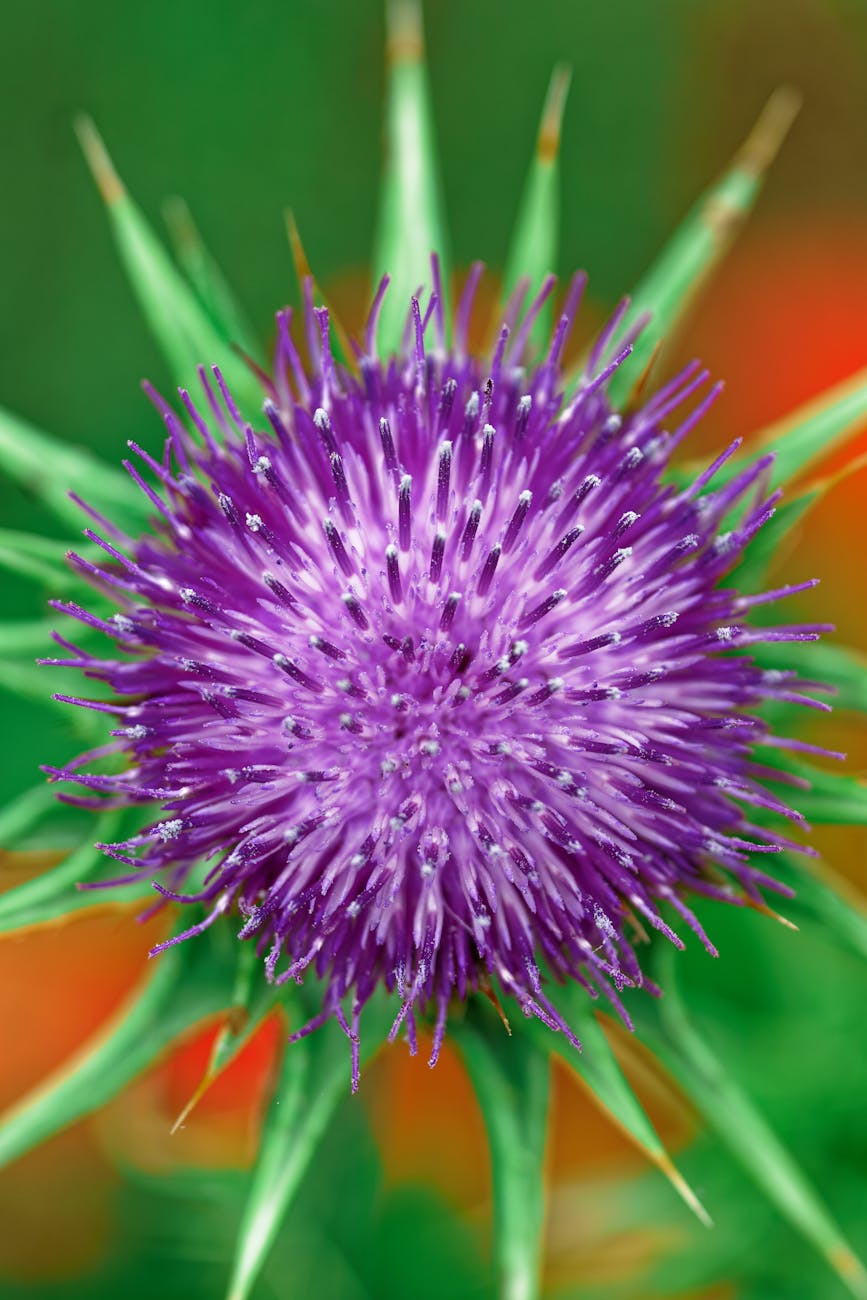
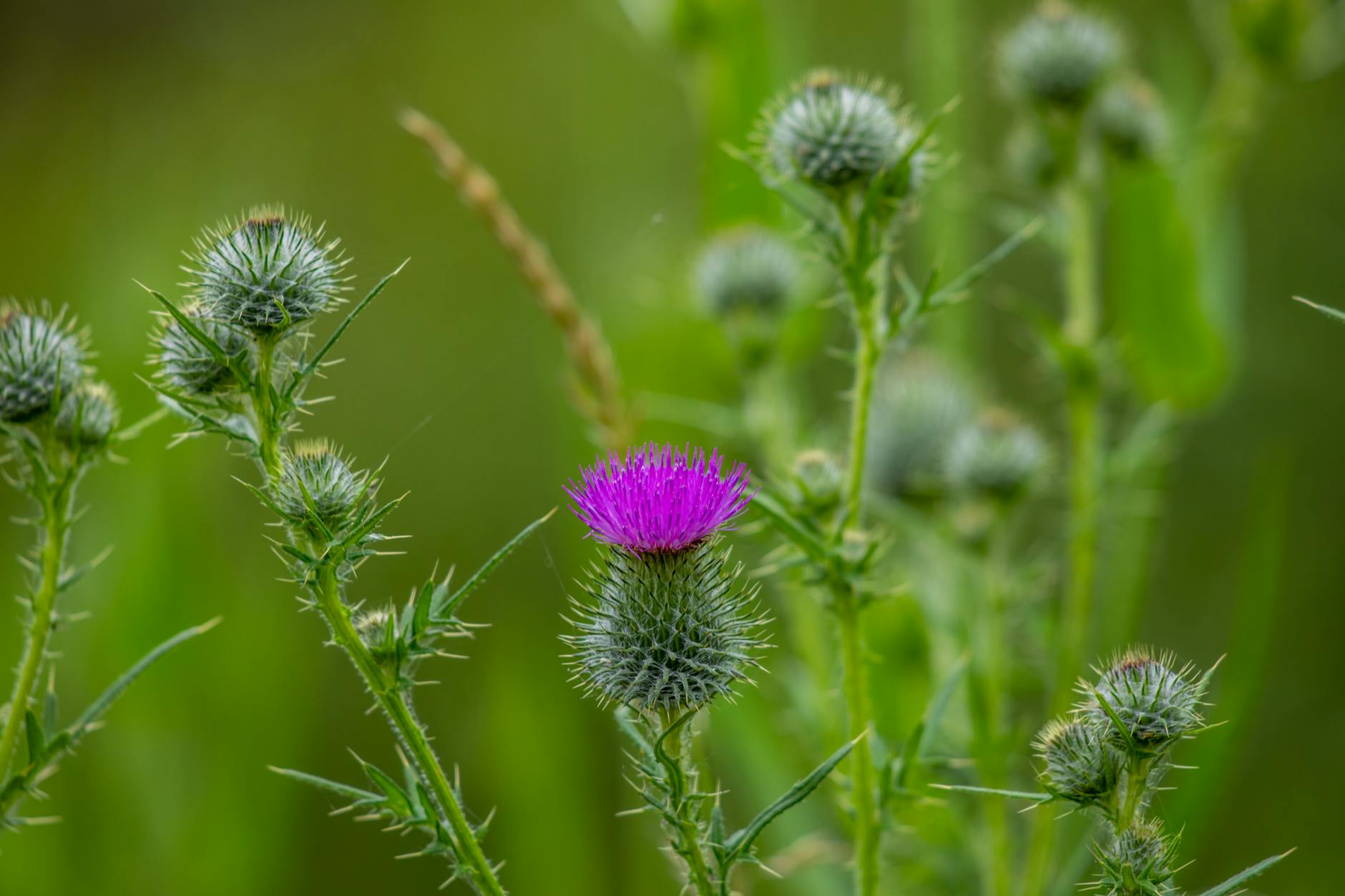
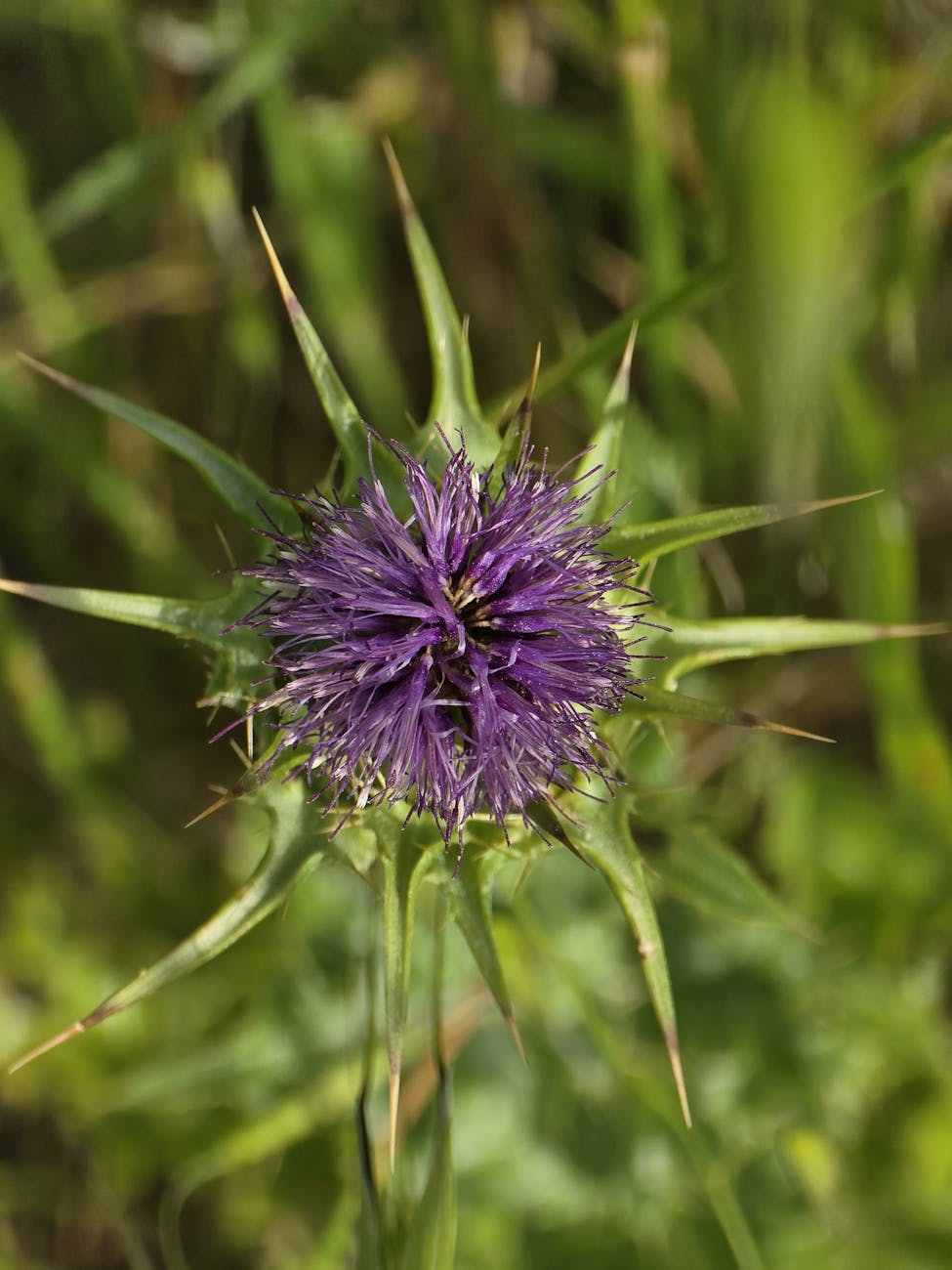
Milk thistle, known botanically as Silybum marianum, is a bold, spiky plant with distinctive white-veined leaves and bright purple flowers that bloom like something between a thistle and a wildflower. It is native to the Mediterranean region but has naturalized across much of Europe, North America, and Australia over the centuries.
Its recorded use as a liver and gallbladder remedy stretches back over two thousand years, with references showing up in the writings of the Greek physician Dioscorides around 40 AD. European herbalists relied on it heavily through the medieval period, and it never really fell out of use, it just got quietly overshadowed by flashier wellness trends.
Here is the botanical detail that stopped me cold when I first read it: the white milky streaks running through milk thistle’s leaves are not a disease or a marking — they are actually a feature the plant developed over time, and the entire plant from leaf to seed contains active compounds, though the seeds carry the highest concentration by far.
What It Has Traditionally Been Used For — And What Research Is Saying
Historically, milk thistle was used primarily for liver and gallbladder complaints, including jaundice, sluggish bile production, and what older herbalists simply called “liver congestion.” It was also used as a bitter digestive tonic, particularly in German herbal traditions where it earned serious institutional respect.
The compound silymarin, a concentrated cluster of flavonoids extracted mainly from the seeds, is where modern research has focused most of its attention. Some studies suggest silymarin may help reduce elevated liver enzymes and support liver cell regeneration, particularly in people dealing with fatty liver disease or liver stress from medications.
I want to be honest here: the research is genuinely promising but not uniformly conclusive. Some studies show clear measurable effects, others show more modest results. What I can say is that the safety profile is well-documented and the traditional use is consistent and long-standing.
Some early research is also exploring milk thistle’s potential role in blood sugar regulation and even neurological protection against oxidative stress — both of which I find fascinating, though those conversations are still unfolding in the scientific literature.
How I Actually Use It — And How You Can Too
The most reliably potent form is a standardized capsule extract verified to contain 70 to 80 percent silymarin. A commonly studied dose in research is around 140 mg of silymarin taken two to three times daily, though I would encourage anyone to check with their healthcare provider before starting a supplement routine.
For a gentler daily option, I grind a teaspoon of dried milk thistle seeds in my small coffee grinder and stir them into oatmeal or a smoothie. The seeds have a mild, slightly nutty flavor that is not at all unpleasant. This is not the same potency as a standardized extract, but it is a nice way to incorporate the plant as a whole food.
Milk thistle tea is also an option — steep one teaspoon of lightly crushed seeds in hot water for ten to fifteen minutes — though silymarin is not highly water-soluble, so the tea is more of a gentle ritual than a therapeutic dose. Quick tip: adding a small splash of whole milk or cream to your milk thistle tea may actually help, since some of the flavonoids are more fat-soluble than water-soluble.
A tincture made with high-proof alcohol (at least 60 percent) extracts silymarin much more effectively than water alone, and 1 to 2 ml taken two to three times daily in a small glass of water is a format many herbalists have used historically.
Which use will you try first?
Growing It Yourself or Finding Quality Sources
I grow milk thistle along the back fence of my garden, and I will warn you right now: this plant is enthusiastic. It can reach five feet tall in a good season, it has thorny edges that mean business, and it will self-seed aggressively if you let the flower heads go to seed unchecked.
That said, it is genuinely easy to grow. It tolerates poor soil, needs minimal watering once established, and thrives in full sun. Start seeds directly in the ground after your last frost, press them about a quarter inch deep, and thin to about two feet apart once seedlings emerge.
Harvest the seed heads when they turn fluffy and white — similar to a dandelion going to seed — and dry them in a paper bag. Rub the dry heads apart and you will have a small but satisfying supply of seeds for grinding or tincturing.
If you would rather source it, look for standardized extracts from reputable supplement brands that publish third-party testing results. Bulk dried seeds are available from reputable herb suppliers like Mountain Rose Herbs or Starwest Botanicals, and I have had good experiences with both for quality and freshness.
Who Should Be Careful — And My Honest Reflection
Milk thistle belongs to the Asteraceae family — the same family as ragweed, daisies, and chrysanthemums. If you have known sensitivities or allergies to plants in that family, proceed carefully and talk to a qualified healthcare provider before using it in any form.
Some sources suggest milk thistle may interact with certain medications processed by the liver, since silymarin can influence specific liver enzymes involved in drug metabolism. If you are on prescription medications, particularly immunosuppressants, certain chemotherapy agents, or cholesterol drugs, that conversation with your doctor is not optional — it is genuinely important.
Pregnant and breastfeeding individuals should avoid therapeutic doses, as the safety data for those populations is limited.
My honest reflection after years of researching and growing this plant is this: milk thistle is not a dramatic intervention and it is not a shortcut. What it seems to be is a well-studied, low-risk, traditionally grounded herb that may genuinely support liver health as part of a thoughtful overall approach to wellness — and that is actually a meaningful thing.
I added ground milk thistle seed to my morning routine about two years ago and I keep it there simply because the evidence is consistent enough, the risk is low, and honestly, the plant growing along my back fence reminds me to pay attention to how I treat my body every single day.
Do you use this herb? Tell me below!
Will you add this to your routine?
—Marina Caldwell
This article is for informational purposes only and not medical advice. Always consult a qualified healthcare provider before starting any new supplement or herbal regimen.