The Day Lavender Stopped Being Just a Scent
Three summers ago, I was running on maybe five hours of sleep a night and calling it fine. My neighbor — a retired nurse with a garden so fragrant you could smell it from the road — handed me a small bunch of dried lavender one afternoon and said, simply, “Put this near your pillow.”
I was skeptical. I grew rosemary and thyme and mint, but lavender had always seemed more decorative to me than practical. That changed within about a week.
I started researching, then growing my own, then eventually working it into teas and salves and my evening routine in ways I had never imagined from that first dried bundle. This article is what I learned — and what I actually use.
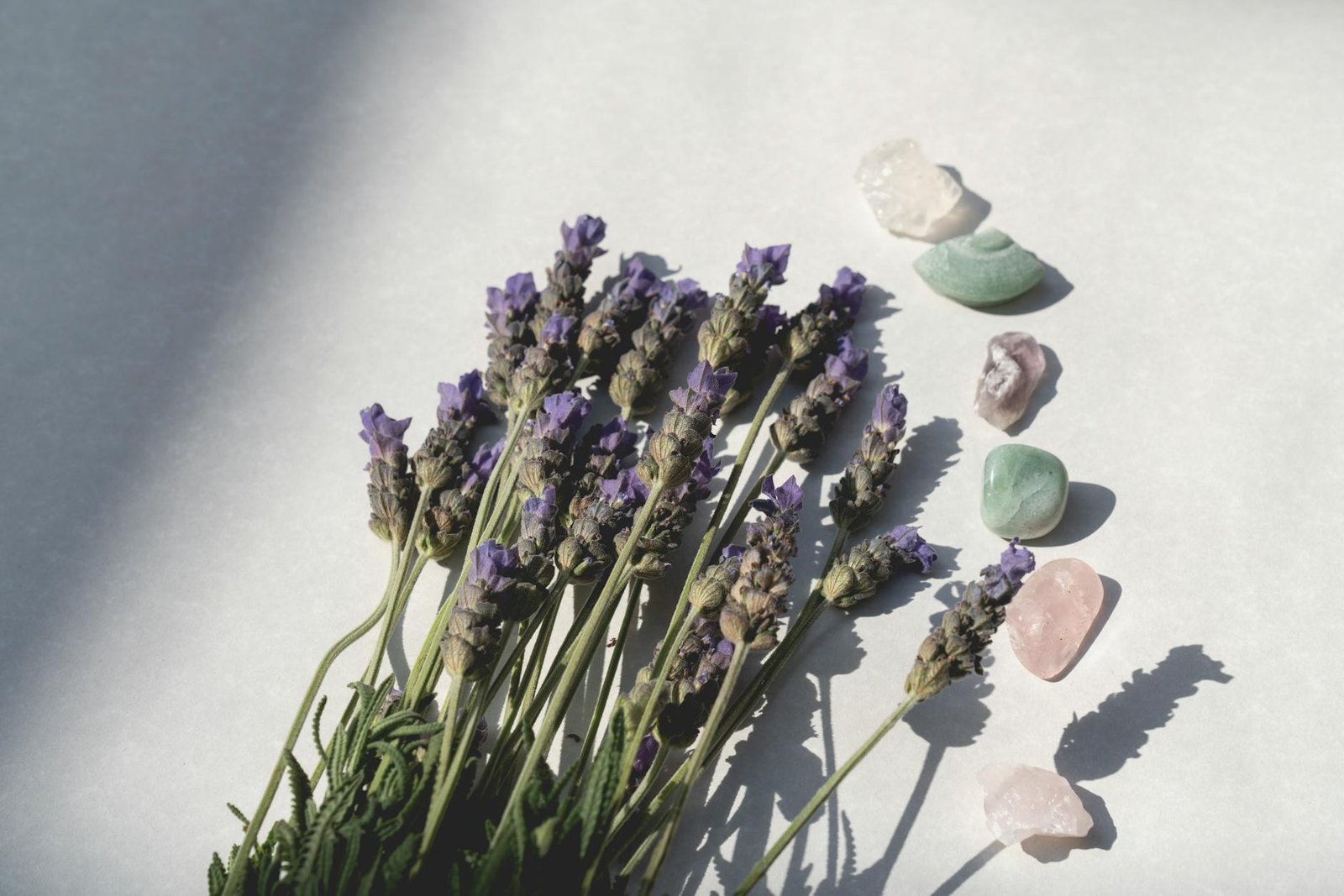
What Lavender Actually Is
Lavender is a flowering shrub in the mint family, Lamiaceae, native to the Mediterranean region and parts of northern Africa. The species most commonly used for wellness purposes is Lavandula angustifolia, sometimes called true lavender or English lavender — though it has almost nothing to do with England originally.
It has been cultivated for over 2,500 years, appearing in records from ancient Rome and Egypt, where it was used in bathing, perfumery, and textile preservation. Romans reportedly added it to their public baths, which is actually where the name likely comes from — the Latin lavare, meaning to wash.
Here is the botanical fact that genuinely surprised me: lavender is technically a woody perennial shrub, not an herb in the strict botanical sense — yet its flowers, leaves, and essential oil all carry distinct medicinal compounds, making the whole plant practically useful from root to tip. Most people, myself included, grow it and use it like an herb without a second thought, and for practical purposes, that is entirely reasonable.
The plant’s main active compounds include linalool and linalyl acetate, both found in the essential oil extracted from the flowers. These are what researchers focus on when studying lavender’s effects on the nervous system and skin.
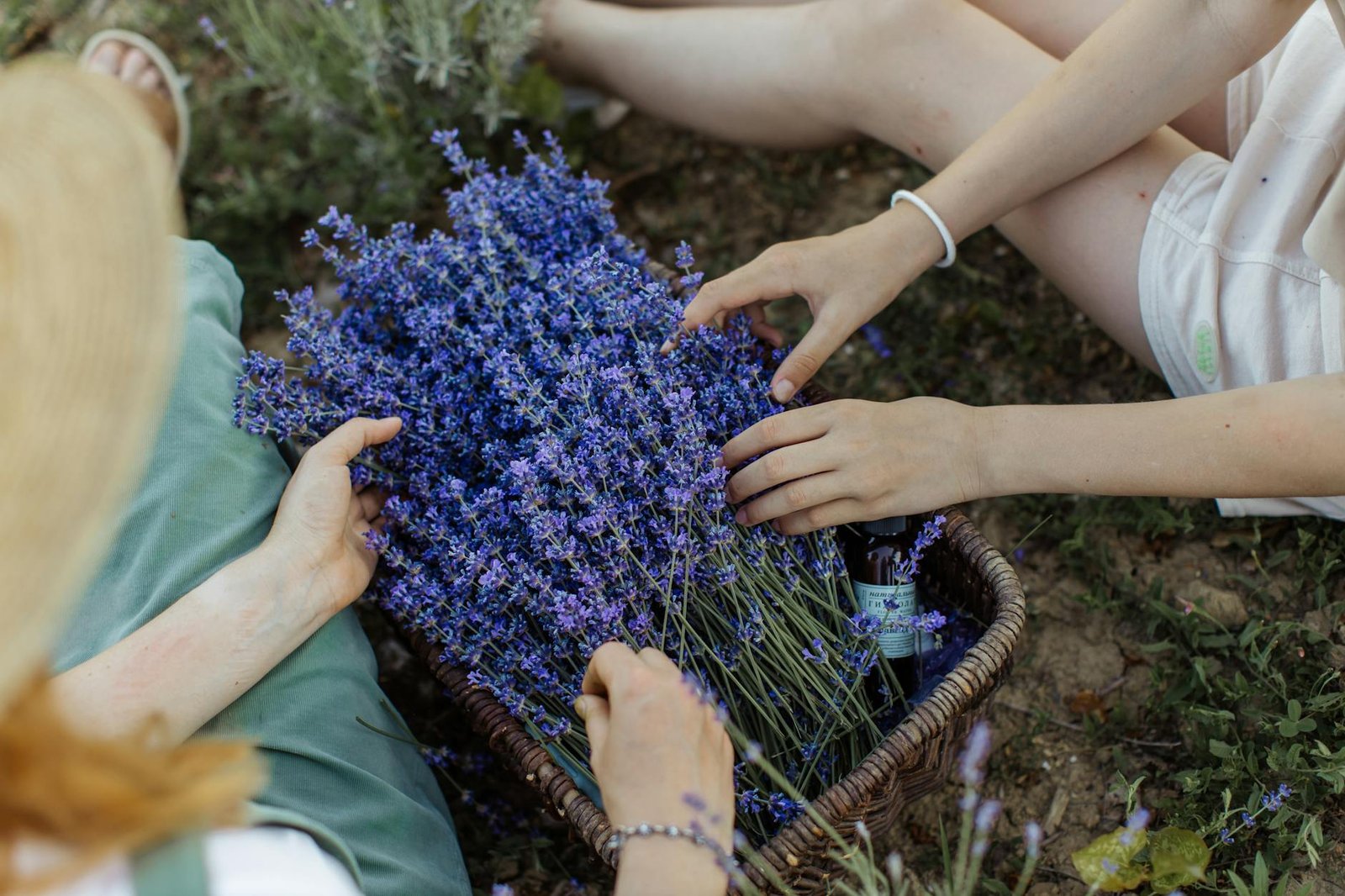
How Lavender Has Been Used — And What the Evidence Actually Says
Historically, lavender was used for everything from headaches and insomnia to wound care and anxiety. Herbalists across Europe documented it for nervous complaints, digestive upset, and as a topical application for burns and minor infections. These uses show up consistently across centuries and cultures, which is worth noting even before we talk about modern research.
On the sleep side, some studies suggest that lavender aromatherapy meaningfully improves sleep quality, particularly for people dealing with mild insomnia. A frequently cited 2015 study published in the Journal of Alternative and Complementary Medicine found that participants using lavender aromatherapy reported better sleep quality and more daytime energy compared to a control group. I am not a doctor, and results clearly vary from person to person.
For anxiety, there is a standardized oral lavender oil preparation called Silexan that has been studied in clinical trials with results suggesting it may reduce generalized anxiety symptoms. That is prescription-grade and very different from what most of us do at home with a diffuser — but it points to real, measurable mechanisms at work in the plant’s compounds.
Topically, lavender has demonstrated antimicrobial activity against certain bacteria and fungi in laboratory settings. Some studies suggest it may support wound healing and reduce inflammation in minor skin irritations. Whether those lab results translate perfectly to home use is honestly less clear, but the traditional use of lavender on burns and bites has a reasonable scientific foundation behind it.
For digestion, the evidence is thinner — most support here comes from traditional use rather than robust clinical trials. Lavender tea has long been used to ease bloating and cramping, and the relaxing effect on smooth muscle tissue is plausible given the plant’s known properties. I use it this way myself after heavy meals, and I find it genuinely helpful — but I want to be honest that this area has less research behind it.
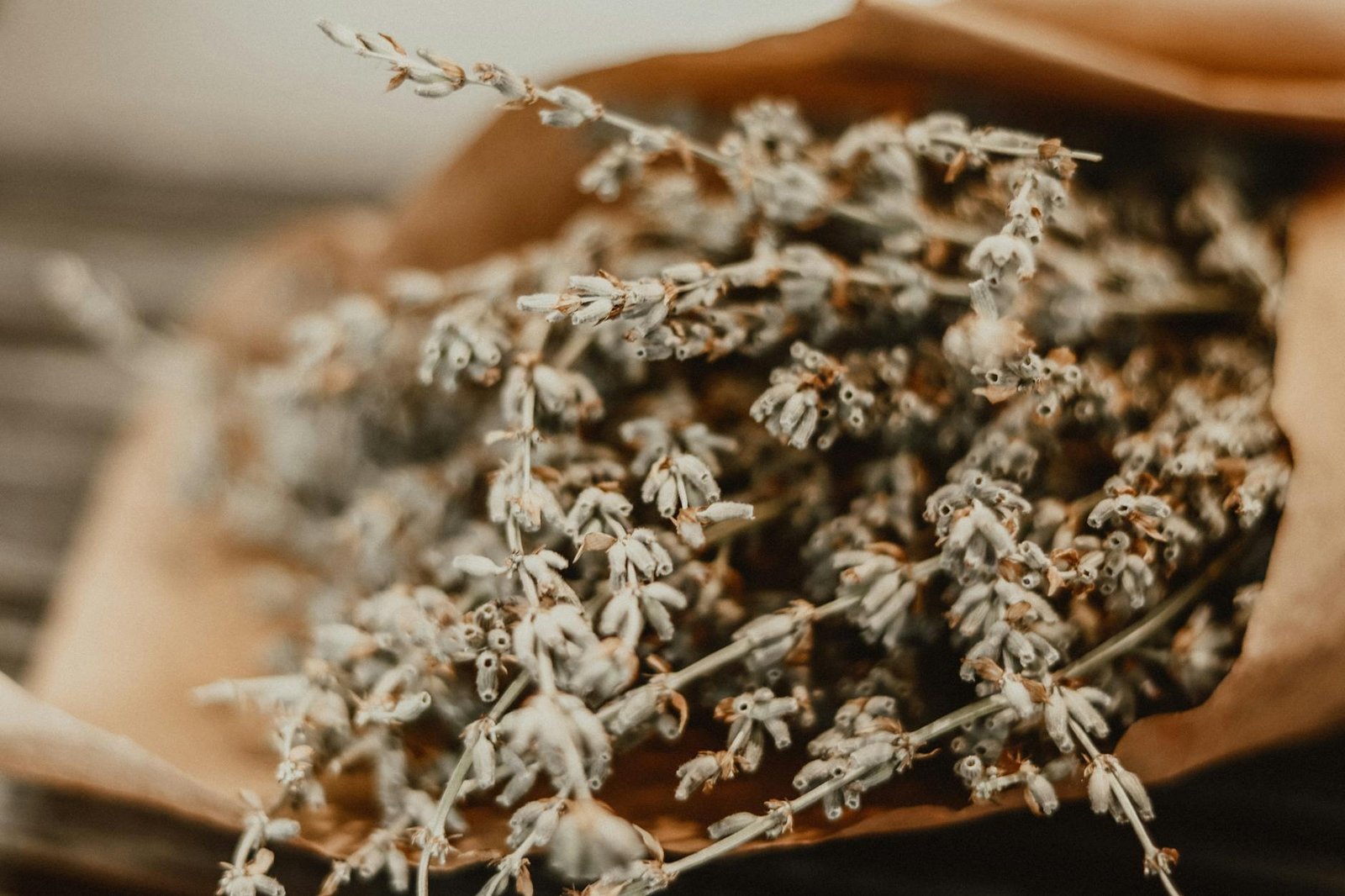
How to Actually Use Lavender at Home
There are several genuinely practical ways to bring lavender into your routine, and they do not all require buying expensive products. I use most of these myself on a regular basis.
Quick tip: Always buy culinary-grade or food-safe dried lavender if you plan to use it in tea or cooking. Ornamental or craft lavender is sometimes treated with pesticides or other compounds not meant for consumption.
Lavender tea: Use 1 to 2 teaspoons of dried lavender buds per 8 ounces of hot water. Steep for 5 to 10 minutes, then strain well — lavender gets quite bitter if you leave the buds in too long. I drink one cup about an hour before bed, sometimes with a small spoonful of raw honey.
Aromatherapy / diffuser: Add 4 to 6 drops of lavender essential oil to a standard ultrasonic diffuser with water, following your diffuser’s specific fill line. Run it in your bedroom for 30 to 60 minutes before sleep. This is the method I started with and still use most consistently.
Topical use for skin: Always dilute lavender essential oil before applying to skin — a safe starting ratio is 2 drops of lavender essential oil per 1 teaspoon of carrier oil like jojoba, sweet almond, or coconut oil. I use this on minor bug bites and the occasional small kitchen burn, applied gently with a cotton swab. Do not apply undiluted essential oil directly to skin.
Lavender in cooking: Fresh or dried lavender flowers can be used sparingly in baked goods, honey, salad dressings, or herbal salts. The key word is sparingly — lavender is powerful, and too much tastes like soap. Start with half a teaspoon of dried flowers per recipe and adjust from there.
Sachet / pillow insert: Fill a small cloth bag with 2 to 3 tablespoons of dried lavender buds and tuck it inside your pillowcase or place it near your bedside. This was my introduction to lavender, and it is still one of the easiest methods. Refresh or replace the buds every 4 to 6 weeks as the scent fades.
Which use will you try first?
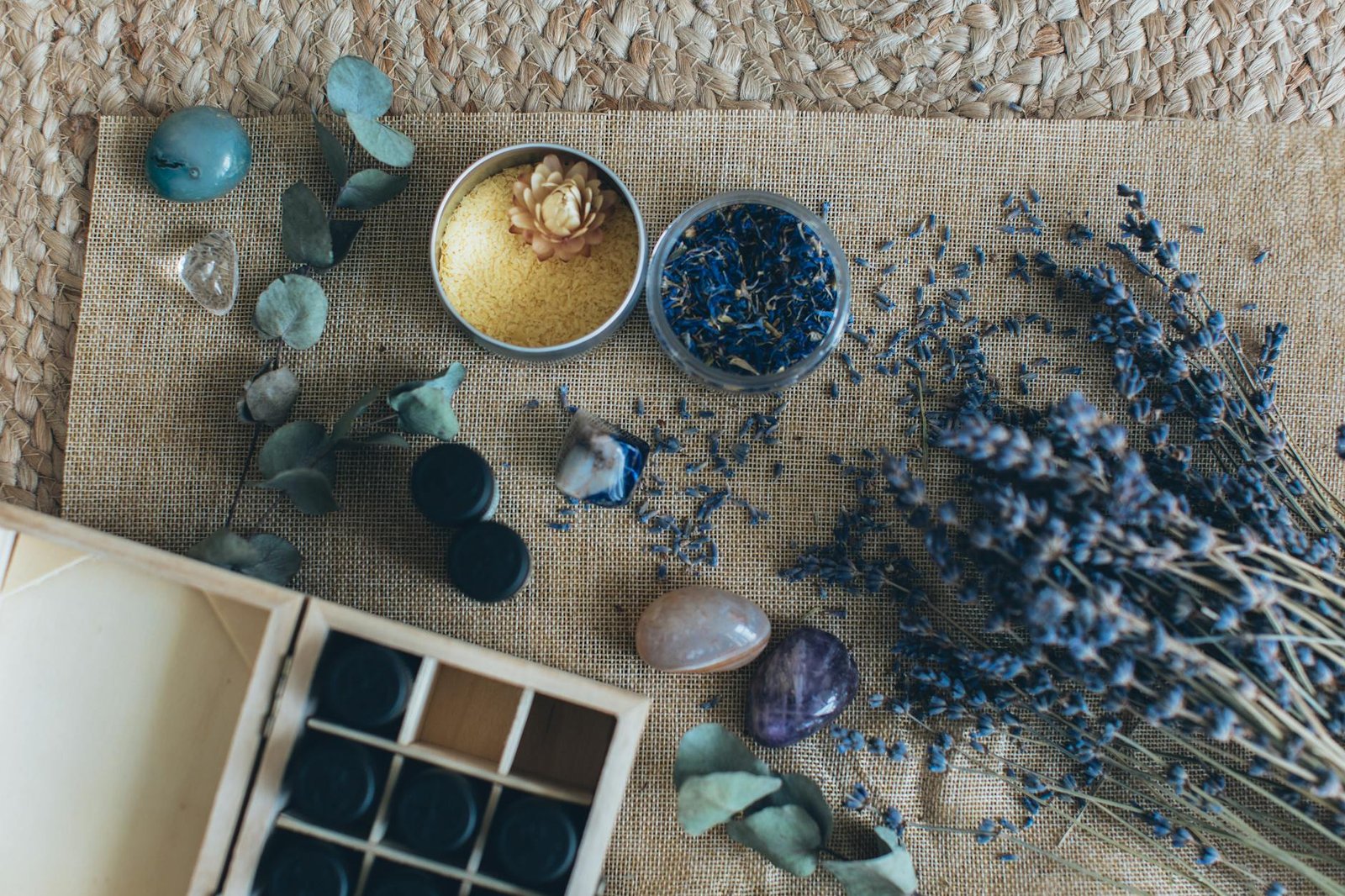
Growing Lavender or Finding Good Sources
I grow two varieties in my garden — Lavandula angustifolia ‘Hidcote’ and ‘Munstead’ — and both do well in my zone 6b climate with minimal fuss. Lavender wants full sun, at least six hours per day, and very well-drained soil. It hates wet feet more than almost anything; if your soil is heavy clay, amend it significantly or grow in raised beds.
If you are growing in containers, a terracotta pot with extra perlite mixed into the potting mix works well. I water established plants deeply but infrequently — roughly once a week in summer heat, less in cooler weather. Do not fertilize heavily; lavender grown in lean soil actually produces more aromatic flowers than plants fed with rich fertilizer.
Harvest flower spikes just as the buds begin to open, in the morning after dew has dried. Bundle them loosely with twine and hang upside down in a warm, ventilated space for one to two weeks. I dry mine in my garden shed, and the entire space smells wonderful for the whole month of July.
If you are buying rather than growing, look for culinary lavender from reputable herb suppliers like Mountain Rose Herbs or Frontier Co-op — both clearly label their lavender as food grade and organically grown. For essential oil, look for products that list the Latin species name (Lavandula angustifolia) and ideally include GC/MS testing results, which confirm the oil’s purity and compound profile.
Avoid vague labeling like “lavender fragrance oil” — those are synthetic and have none of the plant’s actual properties. Genuine essential oil and fragrance oil are not the same product at all.
Who Should Be Careful — And My Honest Reflection
Lavender is generally well-tolerated for most healthy adults in normal amounts — but that does not mean it is risk-free for everyone. Some people experience skin sensitization or contact dermatitis from topical lavender oil, especially with repeated exposure, so patch testing before regular use is genuinely worthwhile.
There is some research suggesting that topical lavender products may have hormonal effects — specifically mild estrogenic activity — in young children, particularly boys. This has been associated in a small number of case reports with premature breast tissue development. The research is limited, but I think it is worth mentioning honestly: I would be cautious about using lavender products regularly on young children without discussing it with a pediatrician.
If you are pregnant or breastfeeding, or if you take any medications — particularly sedatives, since lavender may enhance their effects — talking to your doctor before adding lavender to your routine in meaningful amounts is the sensible move. I am not a healthcare provider and cannot assess your individual situation.
Oral lavender tea in reasonable quantities is very different from taking concentrated supplements, which can cause nausea and other GI symptoms in some people. Moderate, occasional tea use is generally considered low-risk for healthy adults.
My honest reflection after several years of using lavender regularly: it is one of the most genuinely versatile plants I grow, and the sleep improvement I experienced was real enough that I kept going back to it. I cannot promise it will work the same way for you, and I am cautious about overstating what any single herb can do. But as a low-cost, easy-to-grow addition to a thoughtful wellness routine, lavender has earned a permanent place in my garden and my home.
Will you add this to your routine?
Do you use this herb? Tell me below!
—Marina Caldwell
This article is for informational purposes only and not medical advice. Always consult a qualified healthcare provider before making changes to your health routine, especially if you have existing medical conditions or take medications.