I Had No Idea the Cuts Mattered That Much
Halfway through slicing my first potato, I realized I had no idea what I was doing. Not in a dramatic way — more like a quiet, standing-at-the-counter realization that the knife was going too deep and I’d already cut one potato almost clean through.
The second one I sliced more carefully, and the difference in how they baked was obvious. The one I’d mangled at the cuts didn’t fan out the same way. It just sat there, slightly lopsided, while the other one opened up like it was supposed to.
I still served both.
This is the kind of recipe that looks like it requires precision but actually forgives you if you’re roughly in the right zone. The accordion cuts need to be close together — about a quarter-inch apart — and they need to stop about half an inch before the bottom. That’s the part nobody tells you to practice first.
A chopstick on each side of the potato, running parallel, stops the knife before it goes too far. I thought about using a wooden spoon — actually no, the chopsticks are thinner and sit flatter. Use those.
Quick tip: Lay two chopsticks alongside both edges of the potato before you start cutting. Your knife will hit them before it hits the board, and you won’t lose a potato to a too-deep slice.
About the Butter. And the Browning.
Most recipes tell you to brush the butter on once, before baking. That’s not wrong, but it’s not the whole picture either. The butter that settles into the cuts during the first 20 minutes just kind of sits there, and the tops of the ridges dry out before the middle layers catch up.
I brushed on a second round at the 20-minute mark, pushing the butter down into the slices with the brush bristles, and the difference showed up in the last 15 minutes. The ridges turned genuinely golden — not pale-beige, but actually gold — and the edges got slightly crisp.
Browning takes longer than you think it will.
The potatoes went in at 400°F on a rimmed baking sheet lined with foil. No rack. I’ve seen suggestions to use a rack underneath so the bottom crisps up — I tried it once and the underside just dried out unevenly. The foil-lined sheet keeps things contained and makes cleanup less annoying.
Thirty-five minutes was right for large russets. At 30 they were cooked through but not quite golden. That last five minutes mattered.
The Sausage Timing Is Annoying and Also Fine
Here’s the thing about cooking the sausage while the potatoes are in the oven: you have about a 10-minute window where you actually need to pay attention, and the rest of the time you’re just waiting. Which sounds relaxing. It isn’t, because the potatoes need checking and the sausage needs flipping and the eggs are about to happen.
I used sausage links the first time, patties the second. The patties browned more evenly. Links have that casing that can pull tight and cause uneven contact with the pan. Not a disaster — just something I noticed after 8 minutes of cooking and wondering why one side was darker than the other.
Medium-high heat. About 8 minutes total for patties, flipping once at the 4-minute mark. Don’t press them down with the spatula. That’s not me being precious about it — it just squeezes out the fat you need for the eggs.
Leave the fat in the pan.
Add a bit more oil and the remaining tablespoon of butter to that same skillet before the eggs go in. The combination of sausage drippings, butter, and oil gives you eggs with lacy, crisp edges and a yolk that’s still runny — if that’s what you’re after. I am always after that. Sunny-side up in about 3 minutes over medium heat. Do not cover the pan. If you cover it, the yolk goes cloudy and the whole thing looks sad.
It Looked Curdled. The Butter Didn’t Curdle.
When the butter and oil hit the sausage drippings in the pan and started foaming, I thought I’d done something wrong. The foam looked strange — almost like it was separating. It wasn’t. That’s just the milk solids in the butter reacting to the residual heat and fat in the pan.
Keep going. The foam settles in about 30 seconds.
Once the eggs are in, they cook faster than you expect because the pan is already hot. I cracked mine in carefully — low and close to the surface, not from a height — and they set around the edges in about 90 seconds. The yolks took another minute and a half after that. For over-easy, flip at the 3-minute mark and pull the pan off the heat almost immediately. The carryover does the rest.
I tried adding a small amount of water and covering for steamed eggs once. The whites were cooked through but the yolk filmed over and the texture turned rubbery near the edges. I won’t do that again.
The Cheese Question
Optional, the recipe says. I have opinions about this.
Shredded cheddar goes on the potatoes in the last 5 minutes of baking, not after they come out. If you put cold cheese on a hot potato fresh from the oven, it melts unevenly and sits on top instead of draping into the cuts. You want it to go into the oven with enough time to actually melt and start to bubble at the edges.
About 3 tablespoons per potato is enough. More than that and you lose the visual of the accordion altogether — it just becomes a cheese lump. Which, fine, but that’s a different dish.
My neighbor stopped by when I had these in the oven and asked what smelled so good. She stayed for lunch, ate hers without cheese and said she didn’t miss it. I had cheese on mine and thought it rounded out the whole thing. Both of us were right, which is not a satisfying answer but there it is.
Chives go on at the end. Fresh ones, not dried. Dried chives on hot potatoes smell like dust and do nothing visually. About a tablespoon scattered over everything, and you’re done.
The First Time I Made This
I made it on a Saturday with no particular plan, just two large russets I needed to use and a package of sausage that had been sitting in the fridge for three days. Not a recipe-research moment. A what’s-in-the-fridge moment.
The potato I’d cut too deep split slightly during baking. Not all the way — it just opened a little more than it should have at one end and one slice separated. I plated it with that side facing away from the egg and called it fine. Honestly? It’s not that deep. The taste was identical.
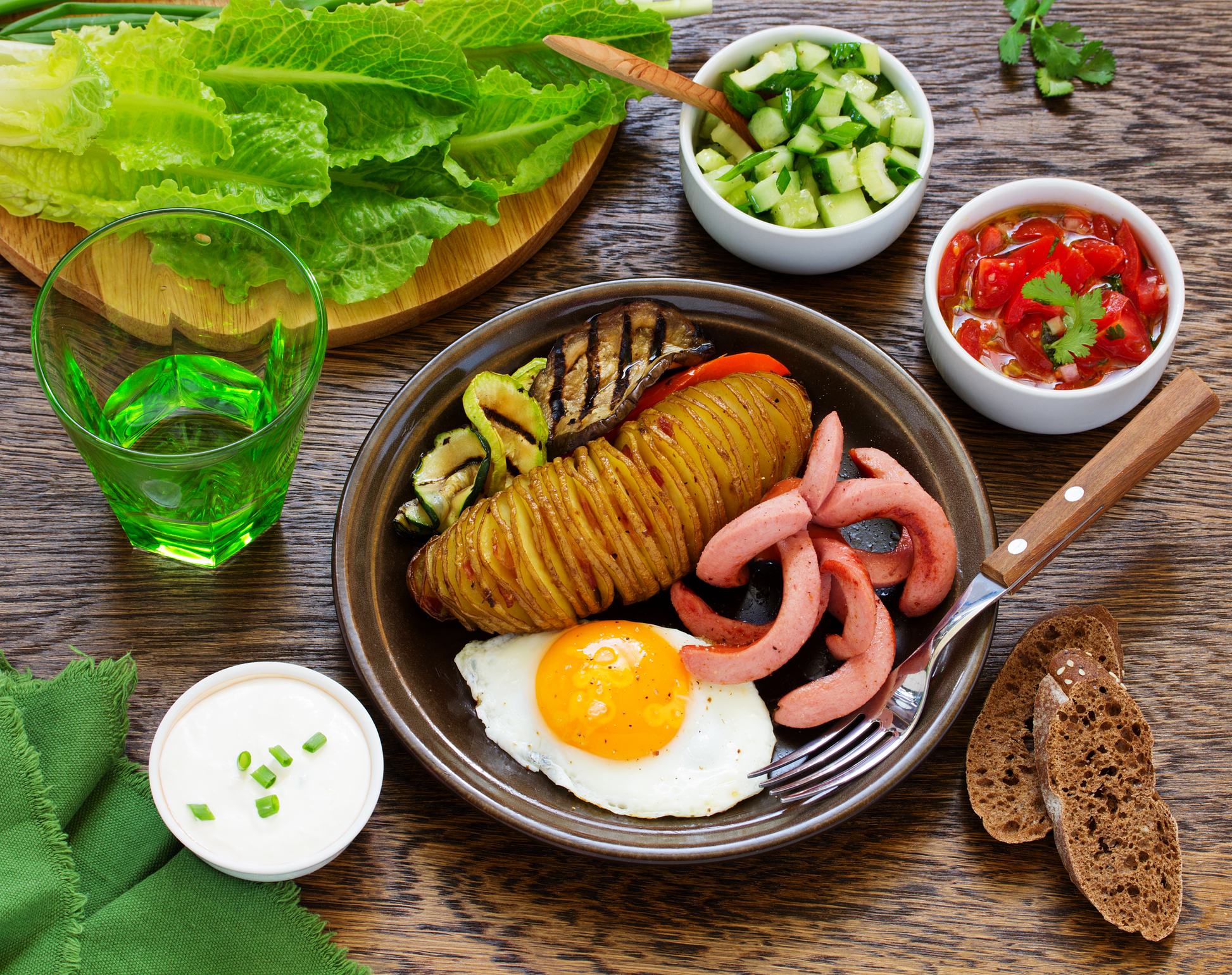
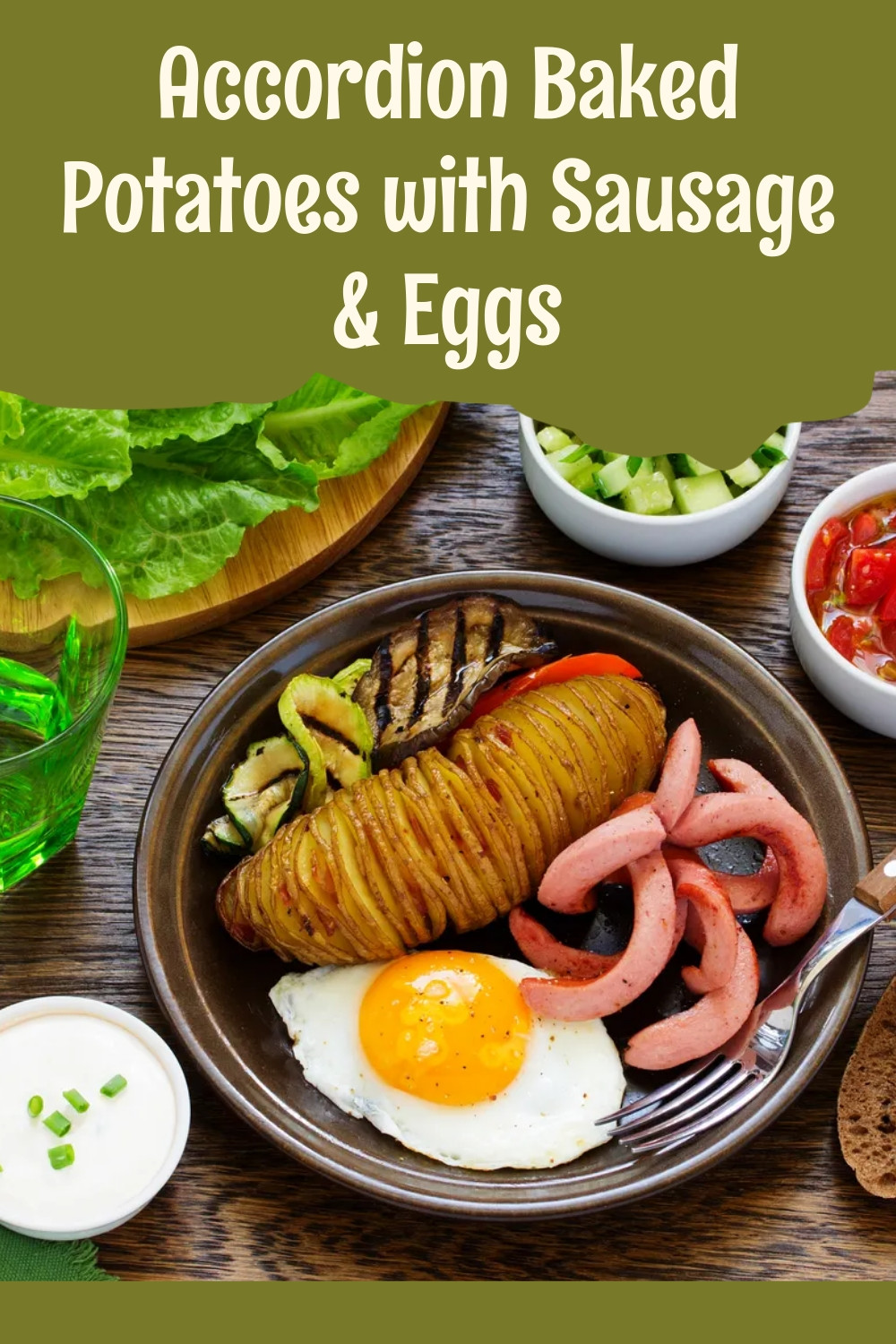
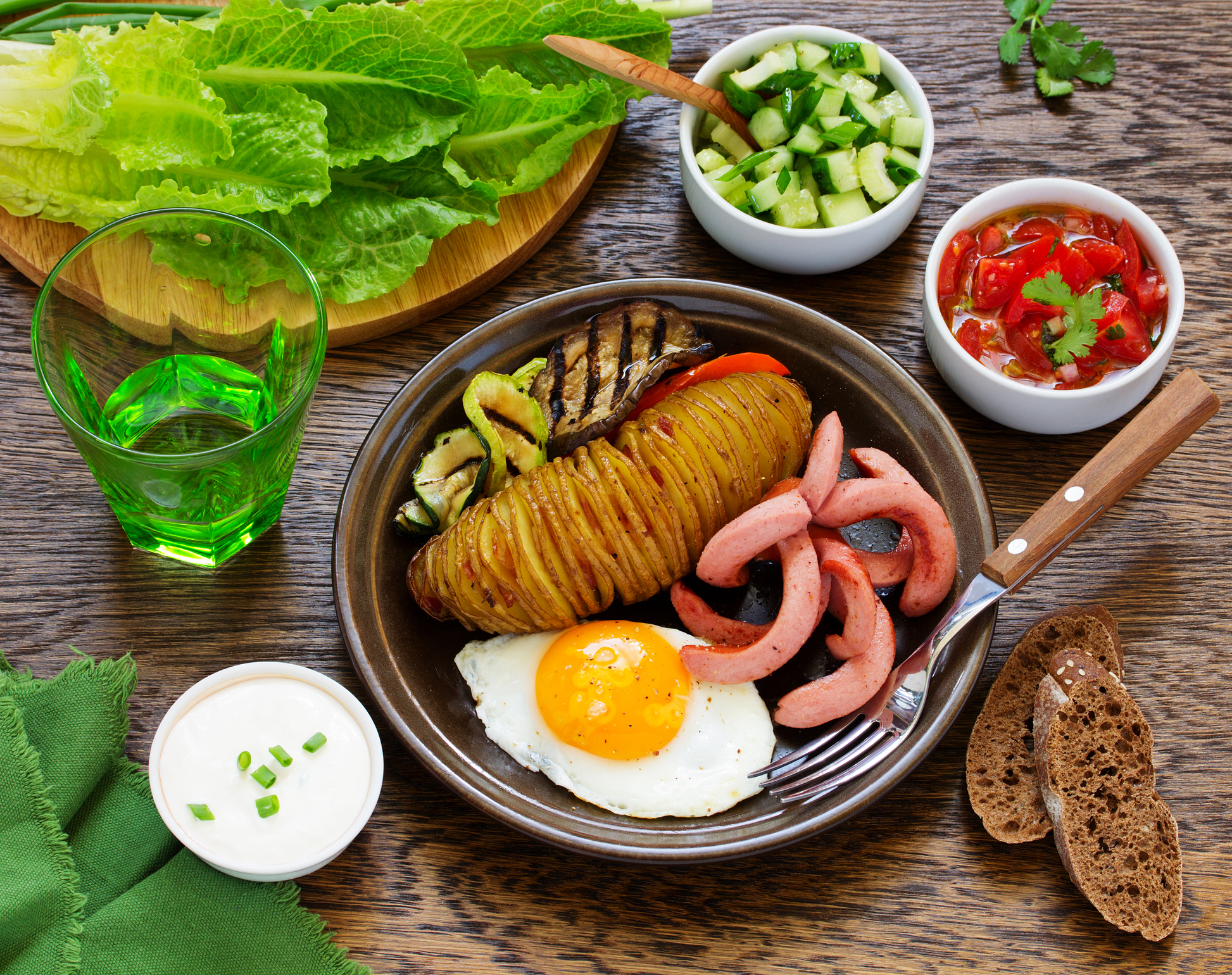
What surprised me most was the texture contrast: the outer ridges of the potato had crisped up enough that they had a slight snap, while the interior was soft and almost fluffy. That contrast isn’t obvious from the photos you see of this dish, and it’s the part that made me want to make it again.
The egg yolk breaking over the potato — that’s the moment. Everything else is just setup for that.
—How to Make Accordion Potatoes Stuffed With Sausage And Eggs
Step 1: Preheat your oven to 400°F (200°C). While it heats, wash 2 large russet potatoes thoroughly and pat them completely dry. Any moisture on the skin will steam the exterior instead of crisping it, so don’t skip the drying. A paper towel pressed firmly over the whole potato takes about 20 seconds and actually matters here.
Step 2: Place each potato on your cutting board and lay a chopstick along each long side. Slice accordion-style cuts perpendicular to the length of the potato, spacing cuts about ¼ inch apart. The chopsticks will stop your knife before it cuts through the bottom — aim for slices that go about two-thirds of the way down. (The first potato is always a little rough. The second one you’ll have dialed in.)
Step 3: Place potatoes on a foil-lined baking sheet. Melt 2 tablespoons of the butter and brush it generously over the tops and into the cuts, working the brush bristles in between the slices. Season with salt and pepper, making sure some falls into the cuts and not just on top. Slide the baking sheet into the oven.
Step 4: At the 20-minute mark, pull the baking sheet out briefly. Melt the remaining 2 tablespoons of butter and brush the potatoes again, pressing into the cuts. This second round is what gets the ridges properly golden. Return to the oven for another 15 minutes, until the tops are golden and a knife slides into the center with no resistance.
Step 5: While the potatoes finish baking, heat 1 tablespoon of vegetable oil in a skillet over medium-high. Add the sausage links or patties. Cook for 8–10 minutes total, turning once at the halfway point. The internal temp should hit 160°F, but honestly if they’re browned through and firm to the touch, you’re there. Set them aside on a plate but do not wipe the pan.
Step 6: Add the remaining tablespoon of oil and the last of the butter to the same skillet over medium heat. Let the foam settle — about 30 seconds — then carefully crack the eggs in, one at a time, keeping them close to the surface. For sunny-side up, cook 3 minutes without touching them. For over-easy, flip at 3 minutes and immediately pull the pan off the heat. Did yours get those lacy, crisp egg edges? I love that — tell me below!
Step 7: If you’re using cheddar cheese, scatter it over the potatoes 5 minutes before they come out of the oven. Let it melt and start to bubble at the edges before pulling the sheet. Once out of the oven, scatter fresh chives or parsley over everything.
Step 8: Plate the accordion potato, add the sausage alongside, and place the egg on top of or next to the potato. Serve immediately. The potato cools fast, and once it cools the crisp ridges go soft. This is not a dish that waits well.
Ways to Change It Up
Try this: Swap the cheddar for gruyère and add a few thin slices of caramelized onion tucked into the potato cuts before baking. The onions char slightly at the edges and add a sweetness that works surprisingly well against the sausage fat.
Try this: Use chorizo instead of breakfast sausage. The spice level changes the whole direction of the dish — more savory, slightly smoky. Finish with a dollop of sour cream and some sliced jalapeño instead of the chives.
Try this: Skip the sausage entirely and go vegetarian — brush the potato cuts with a mix of melted butter, garlic, and rosemary. The potato becomes the main thing, and a soft-poached egg draped over it is a different but genuinely good meal.
Which would you go for? Drop it in the comments.
How to Serve It
These are a full breakfast on their own, but a small green salad dressed with something acidic — a sharp vinaigrette — cuts through the richness nicely. You don’t need much, just something to break it up.
If you’re serving this as a brunch dish for more than two, double the recipe and stagger the potatoes on two baking sheets. Rotate them at the 20-minute butter brush so they brown evenly. The eggs you’ll have to cook in batches — don’t try to do four eggs in a small skillet at once, they steam each other and the edges won’t crisp.
Hot sauce on the side. Always. Whatever kind you like — this dish handles heat well at every spice level.
What would you pair it with?
—Storing It Without Ruining It
The potatoes store reasonably well — wrap them loosely in foil and refrigerate for up to 3 days. Do not wrap them in plastic while they’re still warm, or the steam will turn the crispy ridges soggy before they’ve even cooled down.
The eggs and sausage are best eaten fresh. Refrigerated fried eggs reheat badly — the whites go rubbery and the yolk, if it was runny, is gone forever. I’ve tried. Not worth it.
To reheat the potato, put it back in a 375°F oven for about 12 minutes uncovered. The microwave will make it soft and a little gummy. The oven brings some of the texture back, not all of it, but enough. Cook fresh eggs to go with the reheated potato — it takes 3 minutes and it’s worth doing.
Freezing the potatoes works, but expect the texture to change. They lose the crispness entirely and come out dense after reheating. If you freeze them, plan to use them chopped into a hash rather than serving them whole.
Have you ever saved leftovers like this? Tell me below!
Mistakes I Made So You Don’t Have To
Cutting too deep without a guide. I mentioned the chopstick trick but I want to be clear: I learned it after ruining the first potato on my very first attempt. The slice separated from the base mid-bake and half the potato just flopped open. It baked fine but it wasn’t an accordion anymore, it was just a broken potato.
I once skipped the second butter brush because I was impatient and the potatoes looked fine at 20 minutes. They came out cooked through but pale, with no real crispness on the ridges. The inside was soft but the outside had no contrast. Without that second brush, you lose the whole textural point of this recipe.
Cooking the eggs too early and letting them sit while I waited for the potatoes to finish. Cold fried eggs placed on a hot potato don’t warm up enough — they just sit there, congealed. The egg timing needs to line up with the potato coming out of the oven. Start the eggs at the 32-minute mark if your potatoes take 35. They can wait in the pan for 2 minutes off the heat. The potatoes cannot wait at all.
Did something like this happen to you?
Questions I Actually Get About This Recipe
Can I use a different type of potato? Russets are the move here because of their size and the low moisture content — they crisp up where yukon golds sometimes don’t. But Yukon golds work if that’s what you have. They’ll brown in about the same time, maybe 2–3 minutes less since they’re usually smaller. The texture inside is creamier, not fluffy. Different, not worse.
What if my cuts are uneven? They will be uneven. That’s fine. Uneven cuts mean some ridges crisp faster than others, which actually gives you more textural variety in the final potato. The only problem is cuts that go too deep — those sections can separate and cook faster than the intact ones. But slight unevenness? Nobody will notice once the egg is on top.
Can I prep the potatoes ahead of time? You can slice them the night before and keep them submerged in cold water in the fridge. Pat them very dry before buttering and baking — I mean really dry, use multiple paper towels. Any water left on the surface will steam the exterior. And they’ll need to come to room temperature for about 15 minutes before going in the oven, or the center takes longer to cook through.
Do I need to parboil first? No. Some accordion potato recipes call for a parboil before roasting, but at 400°F for 35 minutes, a large russet cooks through without it. I tried parboiling once — the exterior went slightly mealy and didn’t crisp the same way. Skip it.
Can I use a cast iron skillet for the eggs? Yes, and it works well if the pan is properly seasoned. Cast iron holds heat evenly, so the whites set uniformly. But it’s heavy and the heat is hard to drop quickly for over-easy — when you pull cast iron off a burner, the pan stays hot for another minute or two. Account for that. Pull it 30 seconds earlier than you think you need to.
What if I don’t have fresh chives? Use flat-leaf parsley. Not dried anything. Dried herbs at the end of this dish add nothing visually and the flavor is muted compared to fresh. If you genuinely have no fresh herbs, a few grinds of black pepper and a flake or two of flaky salt are a better finish than dried garnish.
Which answer helped you most?
A Few Last Thoughts Before You Start
This is a 50-minute recipe that asks for your attention in short, concentrated bursts rather than all at once. The oven does most of the work. But the two moments where you need to be present — the second butter brush and the egg timing — those are not the moments to be distracted.
The accordion cut is the part people overthink and then wonder why they bothered. It’s worth doing carefully. Not because it’s difficult — it isn’t — but because the whole point of the dish is that the slices fan out and crisp at the edges. Cuts that are too thick or too far apart give you a potato with a few crispy bits and a lot of soft interior. Cuts that are close and even give you more surface area, more crisp edges, more of the thing you’re making this for.
Fun fact: Russet potatoes have one of the highest starch contents of any common potato variety, which is exactly why they get that light, fluffy interior when baked — the starch granules absorb water during cooking and swell, then dry out in the oven heat to create that characteristic texture.
I’ve made this probably six times now and I still don’t have the egg timing perfectly synchronized with the potato. I get it close. Usually one egg is slightly more done than I wanted, or the potato sits for an extra minute before I get the egg plated. It’s a small thing, and the dish is good regardless.
Will you make this soon?
The part I’m still turning over is whether a slightly smaller potato — closer to medium — would give a better crisp-to-soft ratio. I haven’t tested it yet. Large russets give you more to eat but more interior softness too. That might be a version worth trying.
Happy cooking! —Marina Caldwell
Accordion Potatoes Stuffed With Sausage And Eggs
Ingredients
- 2 large russet potatoes
- 4 tablespoons butter, divided
- Salt and pepper to taste
- 4 sausage links or 2 sausage patties
- 4 large eggs
- 2 tablespoons vegetable oil
- Fresh chives or parsley for garnish
- Cheddar cheese, shredded (optional)
Instructions
- 1Preheat oven to 400°F (200°C).
- 2Wash potatoes and pat dry. Slice thin accordion-style cuts perpendicular to the potato, being careful not to cut all the way through the bottom.
- 3Place potatoes on baking sheet, brush with 2 tablespoons melted butter, season with salt and pepper.
- 4Bake for 30-35 minutes until golden and cooked through.
- 5While potatoes bake, heat 1 tablespoon oil in skillet over medium-high heat. Add sausages and fry 8-10 minutes until browned and cooked through. Set aside.
- 6In same skillet, add remaining oil and butter. Crack eggs into pan and fry to desired doneness (sunny-side up or over-easy recommended).
- 7Remove potatoes from oven, garnish with chives and optional cheese.
- 8Plate accordion potatoes, fried sausage, and eggs. Serve immediately while hot.
Notes
See full recipe for nutritional information.