The Moment I Stopped Planning and Started Actually Seeing Portugal
I was sitting on a crumbling stone wall in a village so small it didn’t have a café, eating a bag of roasted chestnuts I’d bought from a woman who charged me 1 euro and refused to make eye contact with my phone camera.
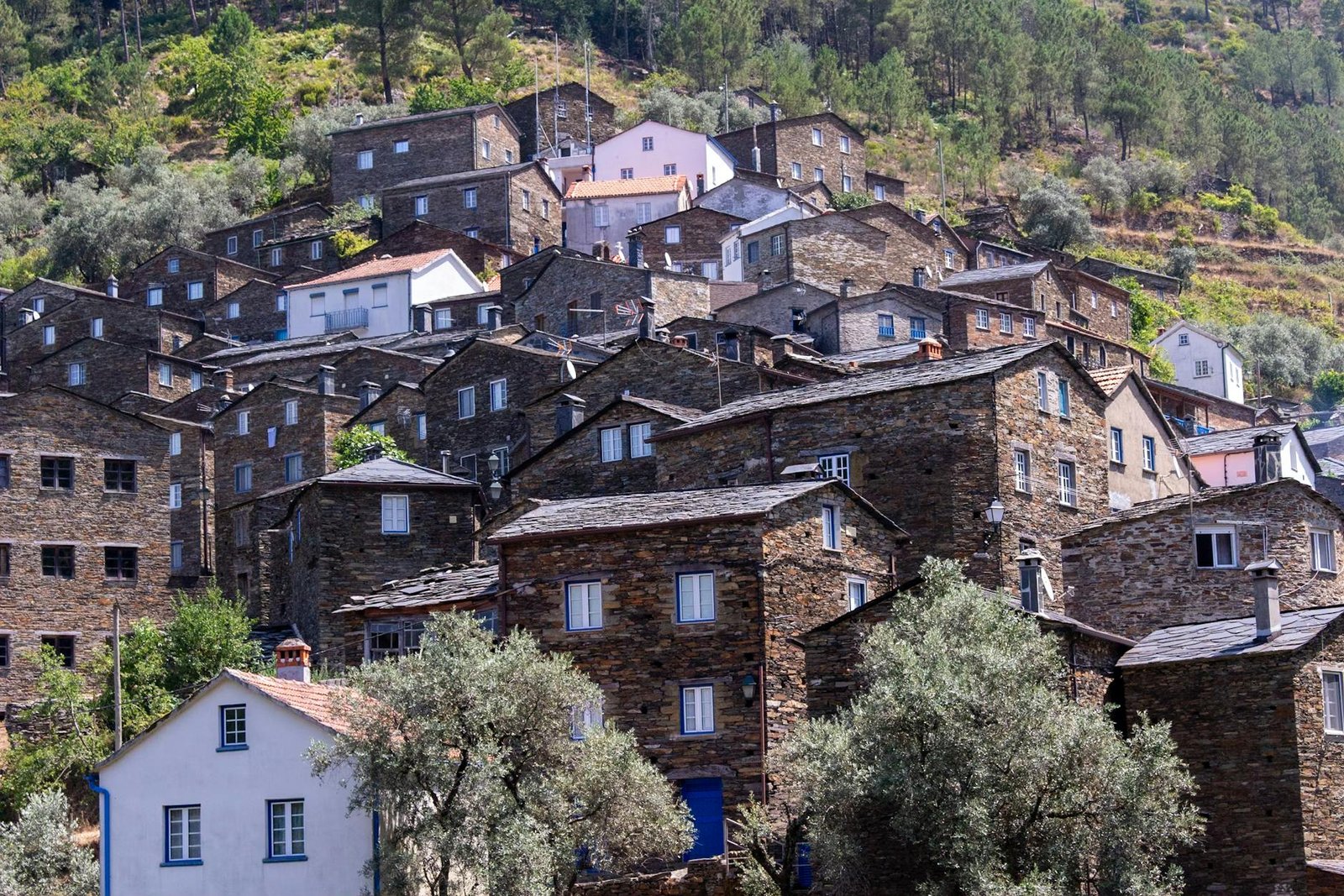
No notifications. No tour group behind me. Just the sound of a dog somewhere down a cobblestone lane and the smell of woodsmoke coming from a chimney I couldn’t locate.
That was the moment Portugal stopped being a destination and started being a place where people actually live — and where I, for once, felt like a guest instead of a customer.
Getting There and Moving Around Without Losing Your Mind
Fly into Lisbon — budget carriers from most European cities run under 60 euros if you book six weeks out — and then rent a car the same day, because I cannot stress this enough: public buses will not get you where you want to go.
I tried the bus from Portalegre toward Marvão on my second day and ended up waiting 90 minutes at a stop that was essentially a painted rock on the side of a regional road. The bus came, went somewhere else entirely, and I gave up and called a taxi that cost 18 euros for 22 kilometers.
Car rentals from Lisbon airport run about 30–45 euros per day for a small manual — book with Europcar or Sixt directly, not through a comparison site, because the insurance add-ons get confusing fast. Petrol in rural Alentejo is slightly cheaper than in the city; I averaged about 40 euros per week in fuel covering significant ground.
The roads between villages are narrow. Not “quaint narrow” — genuinely tight, with stone walls six inches from your mirror on both sides. Drive slow, pull into every passing place you see, and don’t trust Google Maps blindly because it once routed me through a working farm.
Where to Sleep When There Are Basically No Hotels
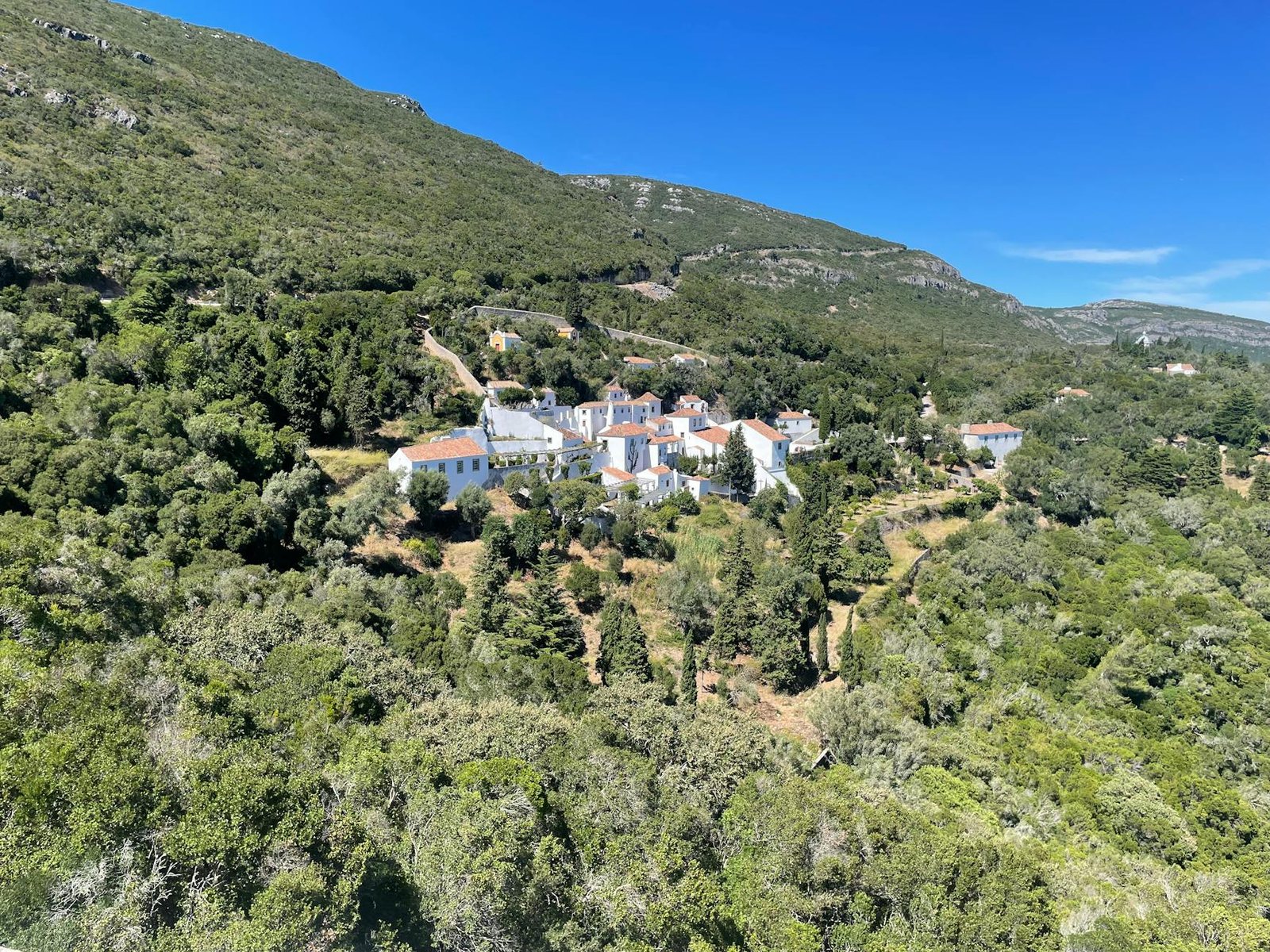
Budget accommodation in these villages is not a hostel situation — it’s guesthouses, small quintas, and the occasional room above someone’s family kitchen, which is exactly as charming and occasionally as noisy as it sounds.
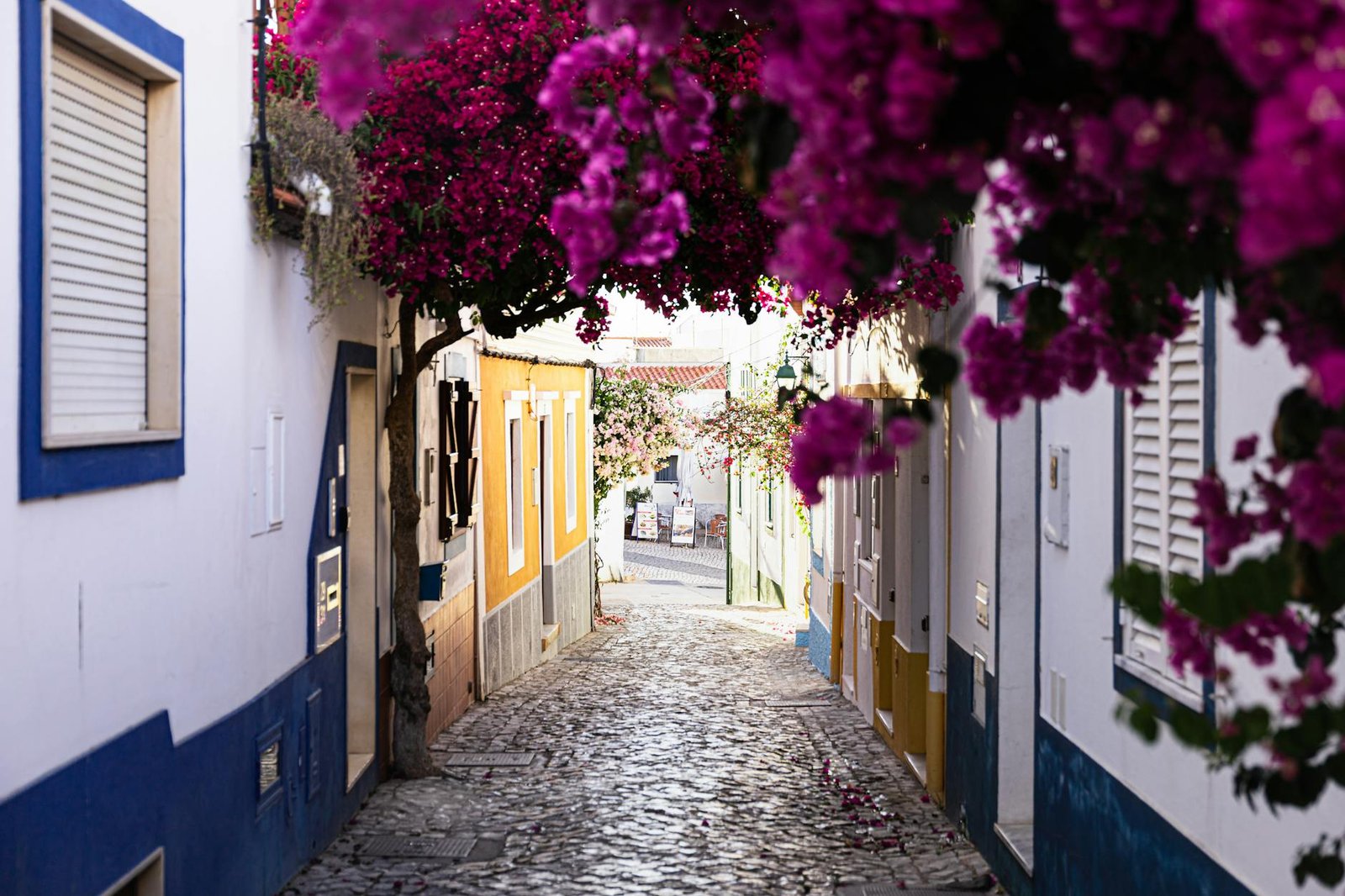
In Monsaraz I paid 42 euros a night for a room at a guesthouse called Casa da Delfina — whitewashed walls, a window overlooking the lake, a bathroom with a showerhead that had opinions about water pressure. Breakfast was bread, local cheese, and a hard-boiled egg. Perfect.
Sortelha has almost nowhere to stay inside the walls, so book early — the village guesthouse fills up on weekends even in shoulder season. Outside the walls, the newer village of Sortelha has a couple of rural houses renting rooms for 35–50 euros a night.
At night, these villages go genuinely, completely quiet by 9:30 PM. No street noise, no bars, no one selling anything. I found this either deeply peaceful or slightly unnerving depending on the evening, and I think that’s the honest answer.
What to Eat and Where to Actually Find It
In Óbidos, yes, you drink the ginja from the chocolate cup — it’s at almost every shop along the main lane for about 1.50 euros, and the chocolate cup is genuinely good, not a gimmick, and I say this as someone who rolled her eyes at the whole concept before trying it.
The meal that wrecked me — in the best way — was a wild boar stew at a small restaurant in Sortelha called Restaurante Dom Sancho, about 9 euros for a full plate with bread and olives already on the table when I sat down. Wild boar hunting is still a significant part of rural Alentejo life, and in autumn the meat shows up on almost every local menu — it tastes nothing like pork, deeper and earthier, and the stew version slow-cooked with red wine is a completely different category of food.
In Marvão, the tiny café just inside the main gate — no sign, wooden door, two tables outside — makes a soup called açorda that costs 2.50 euros and is essentially garlic-soaked bread in broth with a poached egg dropped in. I ate it three times in two days. No regrets.
What to Do When the To-Do List Runs Out
Walk the battlements of Óbidos in the late afternoon, around 5 PM — the walls are free to access, about 1.5 kilometers of walking if you do the full circuit, and the light on the orange rooftops at that hour is worth planning your whole day around.
At Monsaraz, drive 20 minutes outside the village to the Anta do Olival da Pega, a megalithic burial chamber that’s older than Stonehenge by several centuries and has exactly zero tourists standing in front of it with selfie sticks — I was there alone for 45 minutes on a Tuesday in May.
Marvão at 900 meters gives you views into Spain on a clear day; bring binoculars if you have them, and walk to the eastern tip of the castle walls around 7 AM before anyone else is awake. The thing that surprised me most was a tiny Romanesque chapel inside the Marvão castle grounds that nobody at my guesthouse mentioned — no signage outside, unlocked door, completely silent inside except for pigeons in the rafters.
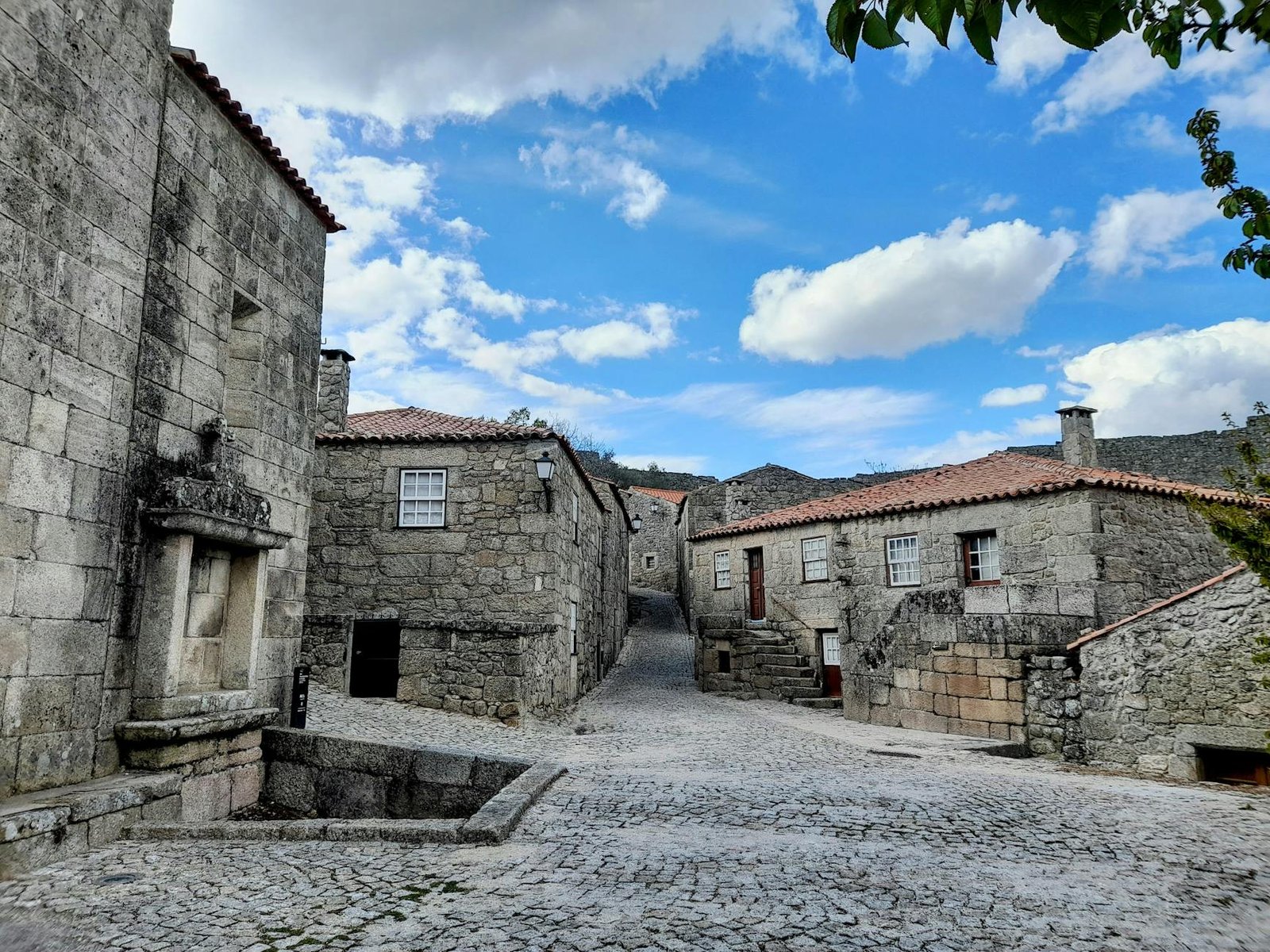
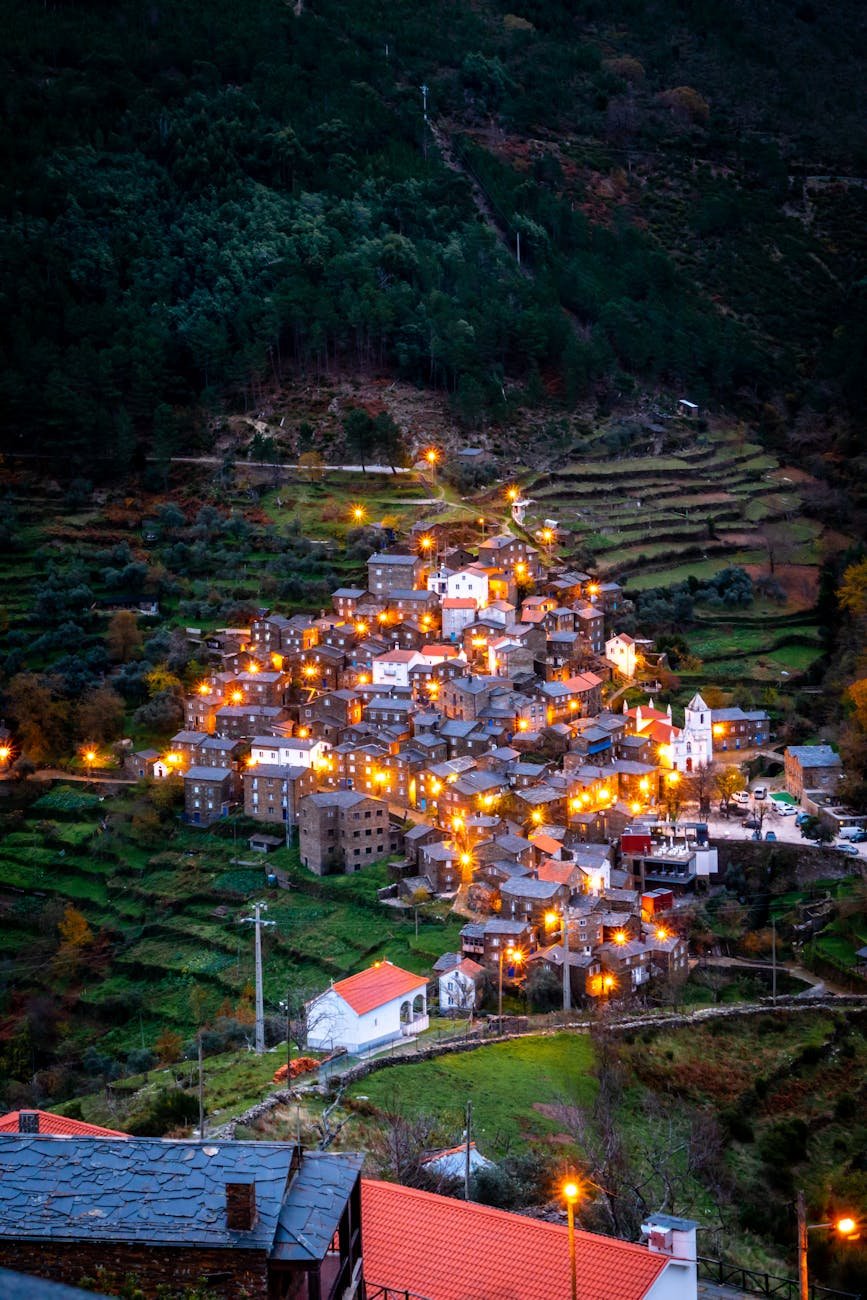
In Sortelha, just walk. Get lost inside the medieval walls on purpose — the village is small enough that you cannot actually get lost, but it feels that way, and every alley ends somewhere worth standing for a minute.
Practical Things Nobody Tells You Before You Go
Carry cash. Always. Cards are declined at village restaurants, small guesthouses, roadside stalls, and once — memorably — at a place that had a card reader visibly sitting on the counter.
April through June is the right window: wildflowers everywhere, temperatures in the low 20s Celsius, and crowds that are manageable rather than crushing. July and August get genuinely brutal in Alentejo — I’m talking 38–42 degrees Celsius on regular afternoons, and these stone villages trap heat like ovens.
Budget roughly 60–75 euros per day total for accommodation, food, car fuel, and incidentals — less if you cook anything yourself, slightly more if you spring for a nicer guesthouse. Pack one layer you didn’t think you’d need because evenings above 700 meters drop fast, even in May.
Skip the souvenir shops in Óbidos along the main drag — they sell the same cork products you’ll find in Lisbon airport for the same price. If you want something real, ask your guesthouse host where local pottery comes from; I ended up buying a handmade bowl directly from a woman’s kitchen for 8 euros, and it’s the only thing I brought home that I actually care about.
The Honest Part at the End
These villages are quiet in a way that takes some adjusting to — not quiet like a spa, quiet like somewhere that was never designed for you specifically, which is rarer and more valuable than it sounds.
I came looking for “authentic Portugal” and found something more complicated: places that are genuinely beautiful and also genuinely emptying out, because young people leave for Lisbon and Porto and the older residents who remain are not performing anything for anyone. That’s both the appeal and the thing that stays with you after you’ve left.
The question I keep thinking about, honestly, is whether showing up as a tourist — even a careful, cash-carrying, low-impact one — helps these places or just delays something inevitable. I don’t have a clean answer. Have you been here? Tell me below!
Which tip helped you most? And for anyone reading this while still in the planning stage — Will you visit soon? Because April is coming, the wild boar stew is waiting, and that stone wall with the chestnut woman will be there whether you show up or not.
—Marina Caldwell