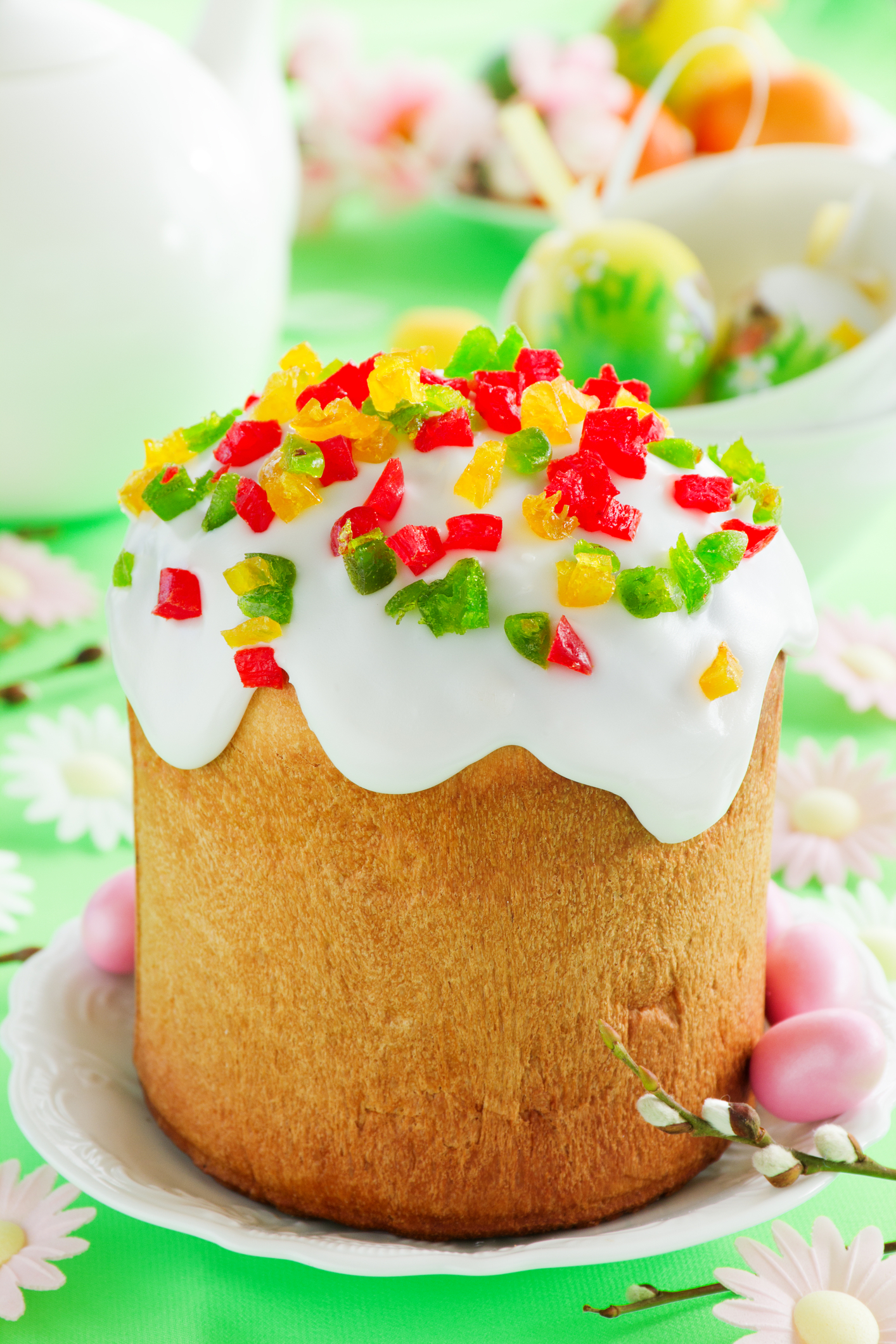
The Glaze Went On Too Thin
The first time I poured it, the glaze ran straight off the sides and pooled on the wire rack in a pale pink puddle. I hadn’t let the cake cool long enough — maybe 8 minutes instead of the full 20 — and there was nothing to do but wait while it dripped.
So I made more glaze.
The second pour was thicker, closer to what I wanted. It didn’t coat evenly — one side caught more than the other — but once I set the edible flowers on top, you couldn’t really tell where it had gone wrong.
About the Lemon.
This cake has two lemon inputs: zest in the batter, juice stirred in at the end. Most recipes just do one. I thought about skipping the zest — actually no, the zest is the part that matters most. The juice adds brightness but the zest is where the actual lemon flavor lives.
You want to zest before you juice, obviously, but I’ve done it the other way twice and then stood there trying to zest a collapsed lemon half. Not recommended.
The batter will smell faintly floral when the zest goes in. That’s when you know it’s going to work.
Quick tip: Use a Microplane if you have one. A box grater works but you’ll lose half the zest to the wrong side of the metal.
It Looked Underdone at 30 Minutes. It Wasn’t.
The top of this cake stays pale longer than you’d expect. At 30 minutes mine looked almost matte — not golden, not set-looking — and I opened the oven to check, which I know you’re not supposed to do.
Four more minutes and the toothpick came out clean. Not tacky, not streaked. Clean.
The window between done and slightly overdone felt narrow on my oven. I’d check at 32 minutes and not wait for 35 unless yours runs cool.
Honestly? The edges will tell you more than the top. When they just start to pull away from the pan sides, it’s close.
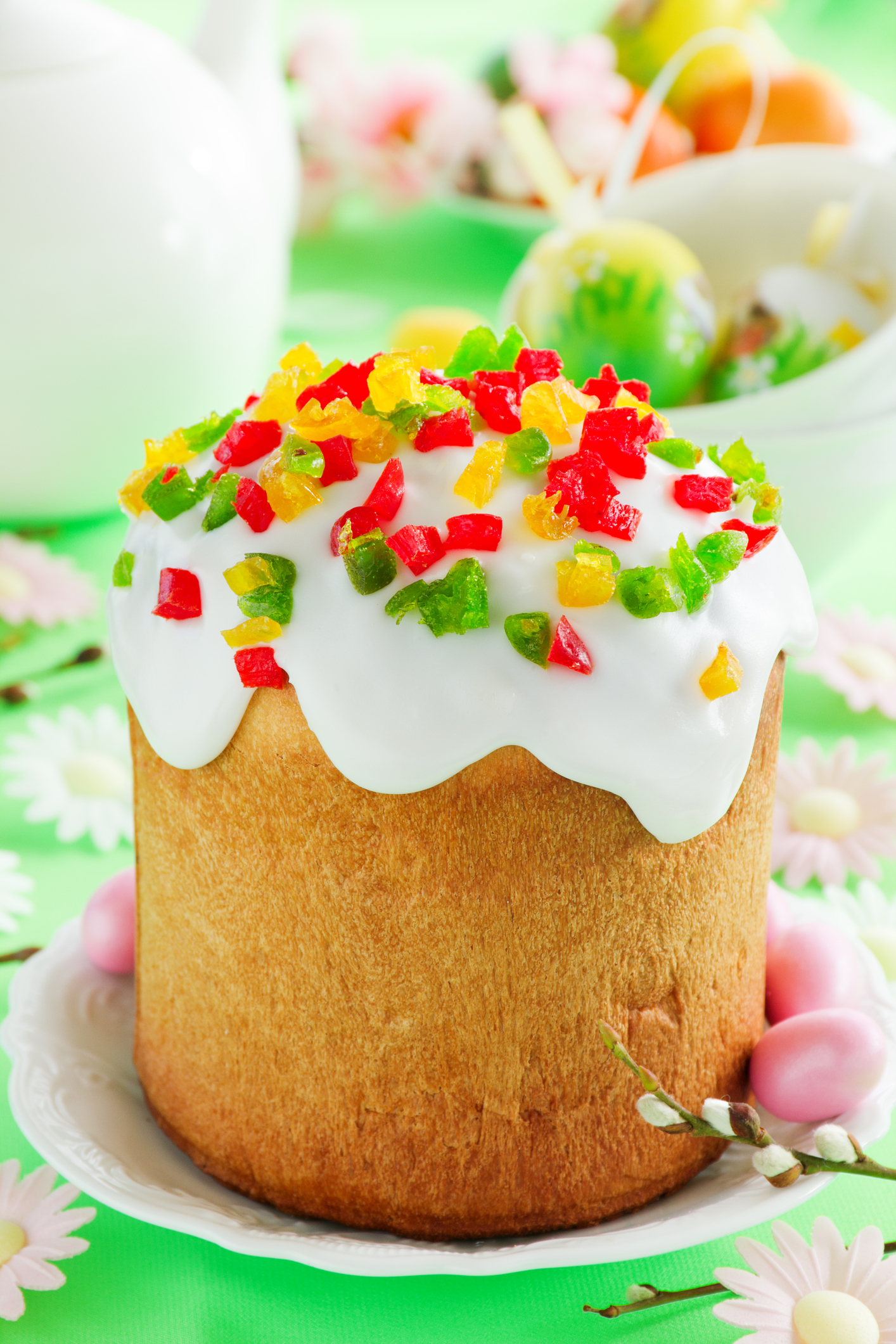
The Butter Has to Actually Be Soft
Cold butter. I used cold butter — not fully, it wasn’t straight from the fridge, but it hadn’t fully come to room temperature either — and the cream stage took almost 7 minutes before it looked right instead of the usual 3.
Lumpy butter at the creaming stage means lumpy batter. The sugar won’t dissolve properly and you end up with a denser crumb than this cake should have.
Leave it out for 45 minutes if your kitchen is warm, longer if it’s not. Press a finger in. It should give without resistance but still hold its shape.
The Decoration Part Is Actually the Annoying Part
Most food blogs will tell you decorating is the fun part. Sure, if you enjoy trying to place edible flowers on a wet glaze surface while they keep sliding toward the center.
What I found: let the first glaze layer set for about 5 minutes, then add decorations. They grip better. Flowers placed on fully-set glaze look more intentional and less like they fell there.
I used dried viola petals and a few small pastel sugar eggs I found at the back of a drawer from last year. My daughter thought it looked like a garden. I thought it looked like I’d tried harder than I had.
Partial set. That’s the thing.
The Glaze Ratio Nobody Agrees On
The recipe says 1.5 cups powdered sugar and 2–3 tablespoons milk. I used 2 tablespoons the first time and it was too stiff to drizzle. I used 3 tablespoons the second time and it ran everywhere, as established.
Two and a half tablespoons. That’s where I landed. It drizzled in a slow, controlled way and thickened slightly as it cooled on the cake, which is exactly what you want. Whether that translates to your kitchen — humid, dry, whatever — I genuinely don’t know.
For color: I added about 3 drops of pink food coloring. It went in pale and stayed pale, which I liked better than a saturated pastel. If you want more color, add it in increments of one drop. You can’t take it back once it’s in.

Ingredients
2 cups all-purpose flour · 1½ tsp baking powder · ½ tsp salt · ¾ cup unsalted butter, softened · 1 cup granulated sugar · 3 large eggs · 1 tsp vanilla extract · ½ cup whole milk · Zest of 1 lemon · 2 tbsp lemon juice · 1½ cups powdered sugar · 2–3 tbsp milk · Pastel food coloring (optional) · Edible flowers or Easter decorations for topping
Instructions
Step 1: Preheat your oven to 350°F (175°C). Grease a 7–8 inch round cake pan thoroughly — sides and bottom. If your pan tends to stick, line the bottom with a circle of parchment. I’ve skipped that step and regretted it.
Step 2: In a medium bowl, whisk together the flour, baking powder, salt, and lemon zest. Whisking instead of sifting is fine here, but make sure the baking powder is evenly distributed — you’ll taste it if it’s not. (Tip: If your baking powder has been open for more than 6 months, test it in hot water before you use it. A tablespoon that doesn’t fizz is dead.)
Step 3: In a large bowl, cream the softened butter and granulated sugar together for about 3 minutes. You’re looking for the mixture to turn pale and increase slightly in volume. It should look almost whipped, not just combined. This step is the one most people rush, and the texture of the final cake depends on it more than any other single step.
Step 4: Add eggs one at a time, beating well after each one. The batter may look slightly curdled between the second and third egg — keep going, it pulls back together. Mix in the vanilla extract after the last egg.
Step 5: Alternate adding the flour mixture and the milk in three parts, starting and ending with flour. Add a third of the flour, mix just until incorporated, then half the milk, then another third of flour, the rest of the milk, and finally the remaining flour. Overmixing at this stage develops gluten and makes the cake tough. Stop when you can’t see dry streaks.
Step 6: Stir in the lemon juice. The batter will loosen slightly and you might see a very faint reaction with the baking powder — that’s fine. Pour into the prepared pan and smooth the top with a spatula or the back of a spoon. Did your batter smell right at this point — citrusy and clean? Tell me below!
Step 7: Bake for 32–35 minutes. Start checking at 32. A toothpick inserted in the center should come out with no wet batter, though a crumb or two is fine. Cool in the pan for 10 minutes, then turn out onto a wire rack. Do not try to glaze it yet. I know it’s tempting.
Step 8: For the glaze, mix the powdered sugar with 2 to 2½ tablespoons of milk until smooth. Add food coloring if you’re using it, one drop at a time. Drizzle over the completely cooled cake and let it set for 5 minutes before placing decorations.
Ways to Change It Up
Try this: Swap the lemon for orange — zest and juice both. The flavor is softer, less sharp, and works well if you’re serving it to kids who find lemon too tart.
Try this: Add ½ teaspoon of almond extract alongside the vanilla. Keep the lemon. The combination is strange in theory and very good in practice. I thought about skipping it the first time. I didn’t, and it was the version I liked most.
Try this: Skip the glaze entirely and dust with powdered sugar while the cake is still just slightly warm. It gives you a matte, snowy look that’s actually more striking than a wet glaze if you’re decorating with bold-colored flowers.
Which would you go for? Drop it in the comments.
How to Serve It
This cake serves 6–8 people comfortably, which makes it good for a small Easter table rather than a crowd. Slice it at room temperature — straight from the fridge the texture is denser and the lemon flavor is muted.
It pairs well with something lightly whipped alongside — crème fraîche works better here than heavy whipped cream, which tends to overwhelm the citrus. A small pot of tea, something floral like chamomile or Earl Grey, turns it into a proper afternoon thing.
If you’re putting it on a table with other Easter desserts, keep the decorations minimal on the cake itself. It photographs better that way and holds its own against heavier, more decorated things.
What would you pair it with?
Storing It Without Ruining It
Once glazed, this cake keeps at room temperature for about a day. After that the glaze starts to absorb into the surface and you lose the texture contrast. Cover it loosely — tight plastic wrap drags across the decorations and you’ll end up with a smeared mess.
In the fridge it keeps for up to 4 days. Pull it out at least 30 minutes before serving. Cold cake is not the same cake. The crumb firms up and the lemon goes flat.
You can freeze the un-glazed cake, wrapped tightly in plastic and then foil, for up to a month. Thaw it at room temperature, then glaze fresh. Freezing a glazed cake works technically but the glaze turns slightly grainy when it thaws.
Reheating: a single slice in the microwave for about 10 seconds brings it back close to fresh. Don’t go longer or the edges dry out.
Have you ever saved leftovers like this? Tell me below!
Mistakes I Made So You Don’t Have To
I once added all the milk at once instead of alternating it with the flour. The batter looked fine — smooth, even — but the baked cake had a slightly gummy layer across the bottom third. I served it anyway. Nobody commented, but I knew.
The second mistake was pulling the cake from the pan too early. Eight minutes, not ten. The bottom hadn’t set enough to hold its own weight and one edge cracked when it hit the rack. The glaze covered it but the slice that came from that section had a different texture than the rest.
Third: I used skim milk instead of whole milk because that’s what I had. The crumb came out drier and slightly flatter. This is a recipe where the fat in the milk genuinely changes things. It’s not interchangeable. Did something like this happen to you?
Questions I Actually Get About This Cake
Can I make this without a stand mixer? Yes. A hand mixer works fine through the creaming and egg stages. For folding in the flour, switch to a spatula by hand — the hand mixer tends to overwork it at that point.
Can I double the recipe for a larger cake? It depends on your pan. Doubling and using a 9×13 changes the bake time considerably — start checking at 38 minutes. I tried this once and the center was still tacky at 35, set by 42. And the texture changed slightly, slightly denser, though still good.
What if I don’t have whole milk? Use 2% if you have to, but not skim. The difference matters more here than in most cakes. About 4 days in the fridge is the realistic lifespan either way.
Can I use salted butter? You can. Cut the added salt to ¼ teaspoon instead of ½. But salted butter varies by brand — some are saltier than others — so it’s genuinely unpredictable. I’d go unsalted if you can.
How far in advance can I bake this? Bake it the day before, wrap it un-glazed, and glaze the morning of. That’s the window that works. Two days ahead is possible but the crumb starts to dry out noticeably by day two even wrapped.
Do the edible flowers need to be refrigerated? Not the dried kind. Fresh edible flowers will wilt within a few hours at room temperature, so if you’re using fresh, add them right before serving. But don’t store a fresh-flower-decorated cake in the fridge — the condensation ruins them faster than room temperature does.
Which answer helped you most?
Before You Make It
This is a small cake. A 7–8 inch round, 6–8 slices, nothing architectural about it. It won’t impress anyone with its height.
What it does is taste like something made with care, which is different from something made with complexity. The lemon is clean. The crumb is soft without being spongy. The glaze is sweet but the citrus keeps it from being too sweet.
Fun fact: Lemon zest contains limonene, the compound responsible for that sharp, almost floral citrus scent — and it’s present in the zest at roughly five times the concentration found in the juice itself.
I’ve made this three times now. The first time the glaze failed. The second time I used cold butter and had to compensate. The third time came out the way I wanted — but I also forgot to add the food coloring until after I’d already poured half the glaze.
So there’s a streak of white glaze under the pink on the left side of that cake. You can see it if you look.
Will you make this soon?
I’m still not sure the decoration-to-effort ratio is right on this one — the cake itself is easy, but getting the glaze and the flowers to look intentional takes more patience than I usually have on a Sunday afternoon. Maybe that’s just me.
Happy cooking! —Marina Caldwell
Easy Easter Cake Recipe Your Family Will Love
Ingredients
- 2 cups all-purpose flour
- 5 teaspoons baking powder
- 5 teaspoon salt
- 75 cup unsalted butter, softened
- 1 cup granulated sugar
- 3 large eggs
- 1 teaspoon vanilla extract
- 5 cup whole milk
- Zest of 1 lemon
- 2 tablespoons lemon juice
- 5 cups powdered sugar
- 2-3 tablespoons milk
- Pastel food coloring (optional)
- Edible flowers or Easter decorations for topping
Instructions
- 1Preheat oven to 350°F (175°C) and grease a 7-8 inch round cake pan.
- 2Whisk together flour, baking powder, salt, and lemon zest in a bowl.
- 3Cream butter and granulated sugar together until light and fluffy, about 3 minutes.
- 4Add eggs one at a time, beating well after each addition.
- 5Mix in vanilla extract.
- 6Alternate adding flour mixture and milk, beginning and ending with flour mixture.
- 7Stir in lemon juice until combined.
- 8Pour batter into prepared pan and smooth the top.
- 9Bake for 32-35 minutes until a toothpick inserted in center comes out clean.
- 10Cool in pan for 10 minutes, then turn out onto a wire rack.
- 11Prepare glaze by mixing powdered sugar with milk and food coloring if desired.
- 12Drizzle glaze over cooled cake.
- 13Decorate with edible flowers, pastel candies, or Easter-themed toppers.
- 14Serve chilled or at room temperature.
Notes
See full recipe for nutritional information.