My daughter pushed the snap peas to one side of her plate.
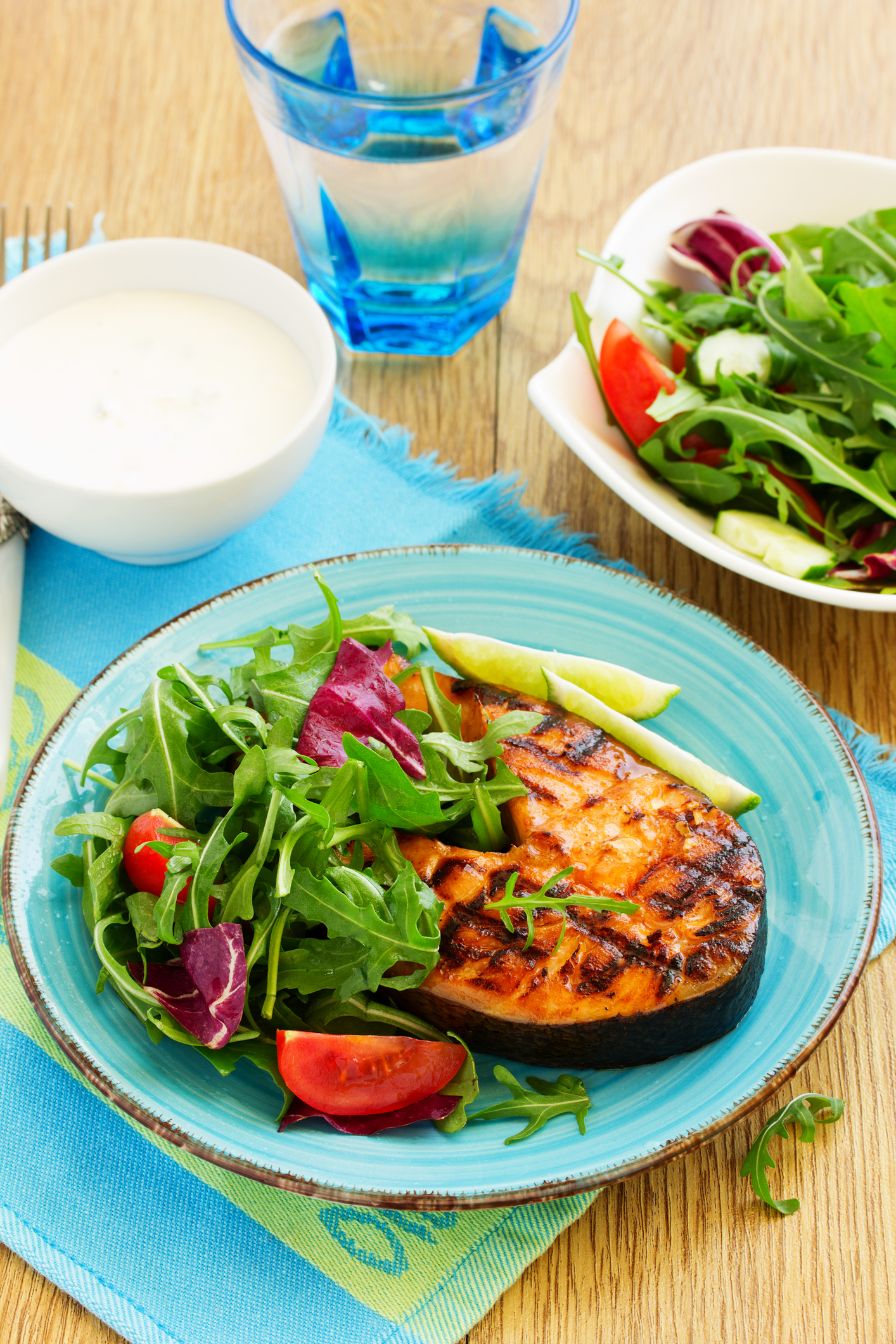
She ate the salmon, though. All of it.
I’d made this on a Thursday when I had exactly 27 minutes before we needed to leave the house, which meant the marinade got 10 minutes instead of the 30 I’d been fantasizing about all afternoon. It still worked. Not because of some forgiving quality in the fish — salmon on a hot grill is pretty unforgiving, actually — but because the soy-honey ratio in this glaze is punchy enough that even a short soak does something real.
Curious mood tonight. I keep thinking about why this glaze holds up so well under direct heat.
About the marinade — and I’m being specific here.
A quarter cup of soy sauce to two tablespoons of honey sounds like it should be too sweet, and the first time I made it, I thought about pulling back to one tablespoon — actually no, I kept it, and I’m glad I did. The honey caramelizes fast on the grill and that’s what gives the salmon that slightly sticky, lacquered look without being cloying.
The rice vinegar is doing quiet work in here. It cuts through both the salt and the sweet, keeps everything from sitting too heavy on the fish.
One tablespoon of sesame oil is enough. More and it starts tasting like you poured a bottle of sesame oil on fish, which is not the goal.
Ginger and garlic go in raw and minced fine. Most recipes tell you to mellow the garlic first. They’re wrong — the heat of the grill handles it, and raw garlic in the marinade gives you a sharper, more present flavor in the final bite.
The vegetables went on first. That part I got right.
Broccoli, snap peas, red bell pepper — all of them tossed with olive oil, salt, and pepper. Nothing else. The soy glaze comes from what drips off the salmon later and from brushing the reserved marinade over everything at the end.
Five to six minutes in a grill basket, stirring once or twice. The broccoli gets a little char on the edges.
That char.
I actually burned the broccoli the first time I made this — not char, burned, like acrid and soft at the same time — because I left the basket over the hottest part of the grill and walked away. Served it anyway because I didn’t have more broccoli and my daughter was already asking when dinner was ready.
Quick tip: If your grill runs hot, push the vegetable basket to an indirect zone for the first three minutes, then move it over direct heat for the last two. The broccoli will char without going bitter.
Flipping the salmon. Don’t rush it.
Skin-side up first — yes, up, not down. Six minutes. Then flip and brush with the reserved marinade. Another five to six minutes until the internal temperature reads 145°F.
The salmon will release from the grill when it’s ready to flip. If you’re fighting it, wait thirty more seconds. I’ve torn through two fillets by flipping too early and I’m not doing it again.
Watching the flesh go from translucent to just barely opaque on the sides is the only reliable visual cue here. The thermometer is still more accurate, but the visual gets you close.
Did yours stick to the grill the first time? I’m genuinely asking because mine did, and I still don’t know if it was the grate temperature or the marinade honey hitting the bars.
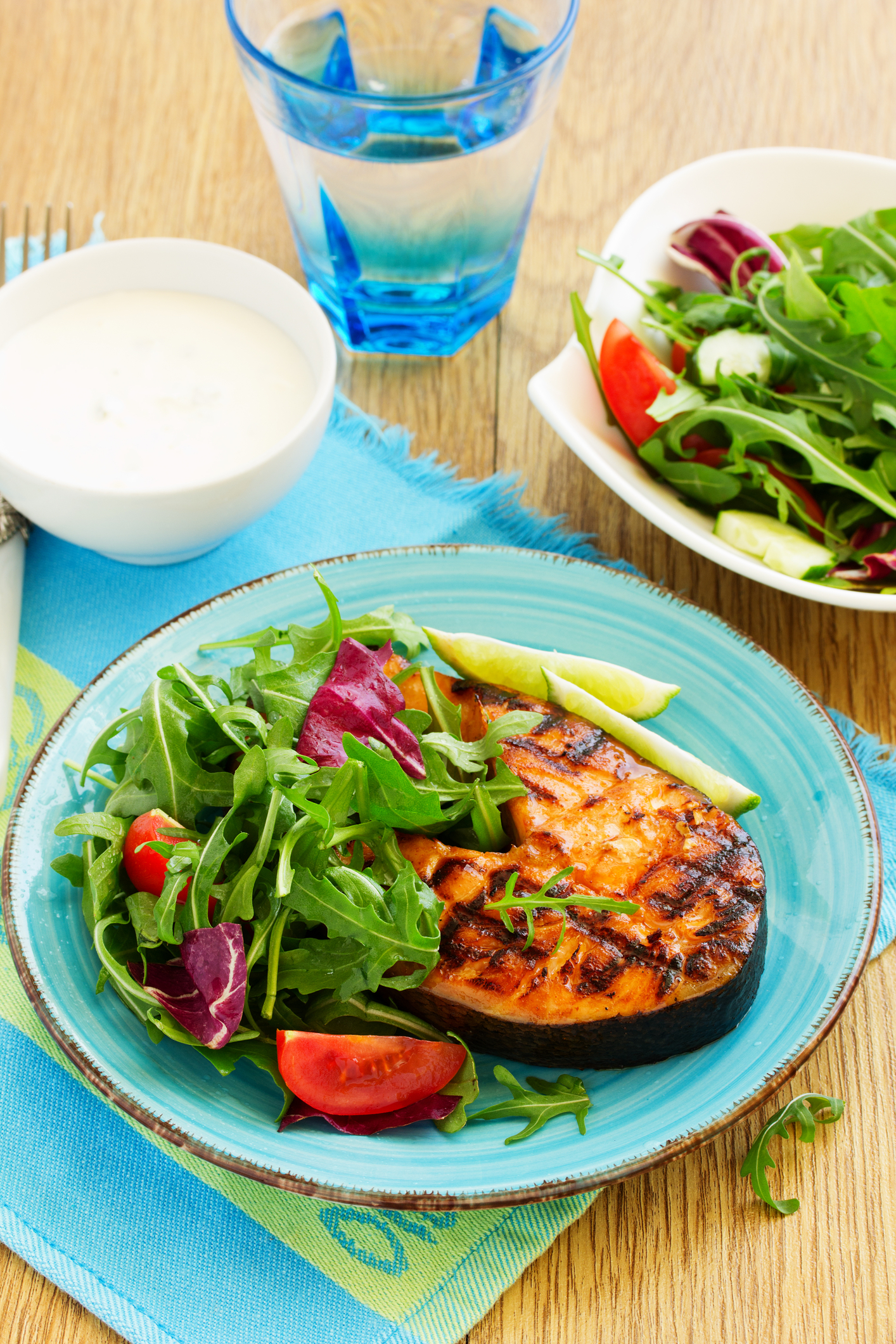
Something I didn’t expect the third time I made this.
The reserved marinade — the half you didn’t pour over the raw fish — thickens slightly if you let it sit out during the whole grill session. By the time the salmon is done, it’s a little syrupy and coats the back of a spoon without any reduction step. I don’t know if that’s the honey or the sesame oil or just evaporation, but it happens.
Drizzle it over everything at the end. Not a generous pour — just a spoonful or two per plate.
Sesame seeds and green onions on top. Not optional. The green onions cut through the glaze in a way that keeps the whole thing from feeling monotonous by the fourth bite.
What nobody tells you about grilling salmon on a weeknight.
It looks more impressive than it is. I mean that as a compliment to the recipe. Twelve minutes of actual cook time, fifteen of prep, and you end up with something that looks like you planned it two days ahead.
My daughter still won’t eat the snap peas. I’ve stopped fighting it.
The glaze does something different to each vegetable — the bell pepper goes sweet and soft at the edges, the broccoli turns slightly bitter and nutty, and the snap peas — if your kid eats them — stay bright and snap even after the heat. Three different textures on one plate, which is more interesting than it sounds.
I’ll probably make this again next week. I’m not sure yet if I’ll adjust the ginger or leave it.
—How to Make Grilled Salmon with Soy Glazed Vegetables
Step 1: Combine the soy sauce, honey, rice vinegar, minced garlic, grated ginger, and sesame oil in a small bowl and whisk until the honey dissolves fully into the soy sauce. It takes about 45 seconds of actual whisking — don’t just stir it twice and call it done, the honey likes to sit at the bottom. This is your full marinade and it doubles as the finishing sauce, so make it once and use it twice.
Step 2: Lay the salmon fillets in a shallow dish — a baking dish works, a zip-lock bag works if you’re short on dishes — and pour exactly half the marinade over them. Cover and let them sit for 10 minutes at room temperature. (Don’t go longer than 20 minutes at room temp; the acid and salt in the soy sauce will start to affect the texture of the fish and you’ll end up with something mushy at the surface.)
Step 3: Preheat your grill to medium-high, targeting 400°F. While it heats, toss the broccoli florets, snap peas, and sliced red bell pepper with the olive oil, a pinch of salt, and a few grinds of pepper. Every piece should have a light coat of oil — dry spots will stick and burn before they char.
Step 4: Put the vegetables on first, either directly on the grates or in a grill basket. Cook for 5 to 6 minutes, stirring or tossing once around the three-minute mark. You want color on the broccoli edges and some softness in the bell pepper without anything going limp. Pull them off to the side when they’re done — they’ll hold fine while the salmon finishes.
Step 5: Place the salmon fillets skin-side up on the grill. Six minutes, lid closed if possible. I always feel like I should be doing something during this part, and every time I lift the lid too early, the fish sticks. Just leave it. When the salmon releases cleanly from the grate — and it will — flip it and brush the exposed side with the reserved marinade. (That’s the half you didn’t use on the raw fish. Keep it separate and use a clean brush.)
Step 6: Cook for another 5 to 6 minutes after flipping. Internal temperature should hit 145°F at the thickest part. The flesh will be just opaque all the way through with no translucent center. Do you pull your fish earlier than 145°F? Tell me your reasoning — Share below!
Step 7: Transfer the salmon and vegetables to serving plates. Drizzle any remaining marinade over the top — not a flood, just enough to gloss the surface. Scatter sesame seeds and sliced green onions over everything and serve immediately. This does not hold well. The vegetables lose their texture within about 10 minutes off the grill.
Ways to Change It Up
Try this: Swap the salmon for thick-cut swordfish steaks. The marinade handles the denser fish fine, and swordfish can go a minute or two longer on the grill without drying out the way salmon does.
Try this: Add a teaspoon of chili garlic sauce or a half teaspoon of red pepper flakes to the marinade. It doesn’t make this spicy exactly — it adds a low heat that sits at the back of the bite, which works well against the honey.
Try this: Replace the snap peas and broccoli with asparagus spears and halved baby bok choy. The bok choy cooks fast — three minutes max — so add it after the asparagus has had a head start.
Which would you go for? Drop it in the comments.
How to Serve It
Over steamed jasmine rice is the most obvious call and it’s the right one — the rice absorbs whatever marinade runs off the salmon and it’s genuinely good. A bowl of plain rice becomes a different thing entirely.
Soba noodles, chilled, with a splash of rice vinegar tossed in right before plating. The cold noodles against the hot salmon is a contrast that works better than I expected the first time I tried it.
If you want to skip a starch entirely, double the vegetables and serve the salmon on top of them with the glaze. It eats more like a composed salad if you add some shredded cabbage underneath.
What would you pair it with?
—Storing It Without Ruining It
Leftover salmon keeps in the fridge for up to 2 days in an airtight container. After that it gets that sharp, overworked fish smell and I stop pretending it’s still good.
The vegetables are more forgiving — 3 days in the fridge, kept separate from the fish if possible. They reheat in a pan over medium heat for about 3 minutes without turning to mush, which surprised me.
Reheating the salmon itself: do it low and slow in a covered pan with a splash of water, or eat it cold over rice with a drizzle of soy sauce. The microwave dries it out in under 90 seconds and there’s no fixing that.
I don’t freeze this. The salmon texture after thawing is not something I want to eat.
Have you ever saved leftovers like this? Tell me below!
Mistakes I Made So You Don’t Have To
I once used low-sodium soy sauce without adjusting anything else and the glaze tasted flat against the salmon — not bad, just like something was missing. If you’re using low-sodium, add an extra half tablespoon and taste it before it goes on the fish.
The second mistake: marinating the salmon for 45 minutes because I forgot it was in the fridge. The surface of the fish turned slightly pale and chalky before it even hit the grill. It cooked fine, but the texture at the outer edge was off — almost mealy. Ten to fifteen minutes is enough.
Third one: not preheating the grill long enough. I thought five minutes was sufficient and the salmon hit lukewarm grates, which meant it steamed instead of seared for the first two minutes and stuck badly when I finally tried to flip it. Give the grill a full 10 minutes to come up to temperature. Did something like this happen to you?
Questions I Actually Get About This Recipe
Can I make the marinade ahead of time? Yes, up to 3 days in the fridge in a sealed jar. Give it a good stir before using — the honey tends to sink and the sesame oil floats, so what you pour out first won’t be evenly mixed.
What if I don’t have a grill? A cast iron grill pan over high heat works and gets you some char marks. But the smoke and the high ambient heat of an outdoor grill does something to salmon that a stovetop can’t fully replicate. It depends on how much that matters to you.
Can I use frozen salmon? I tried this once and the texture was noticeably softer — not ruined, but softer. Thaw completely in the fridge overnight, then pat the fillets very dry before marinating. Excess moisture is what kills the sear.
How do I know when the salmon is actually done without a thermometer? Press gently on the thickest part with a finger or a fork. It should feel firm but not hard, and the flesh should flake when you press the side. And honestly? Buy a thermometer. They’re about 12 dollars and worth every cent.
Is the sesame oil important or can I skip it? Skip it and the marinade tastes fine — but you lose the nutty undertone that makes it feel like more than just soy and honey. It depends on what you have. But don’t substitute vegetable oil; that’s a different thing entirely.
Can I cook the vegetables in the oven instead of the grill? 425°F, sheet pan, 18 to 20 minutes, tossed in oil and spread in a single layer. They won’t have the char from the grill but they’ll be roasted and caramelized, which is its own thing. And you can still drizzle the reserved marinade over them at the end.
Which answer helped you most?
A Few Last Things Before You Start
This recipe takes 27 minutes from start to plate if nothing goes wrong. Something usually goes wrong.
The marinade is the part that carries everything. Get that right and the rest is mostly just managing heat and timing. If you taste it before it goes on the fish and it doesn’t make you want to drink it — more or less — adjust it now.
The vegetables are almost an afterthought in how they’re prepared — just oil and salt — but they absorb the glaze at the end and end up tasting like they were planned.
Fun fact: Salmon gets its pink-orange color from a pigment called astaxanthin, which wild salmon absorb from eating krill and shrimp. It’s also an antioxidant, which means that color is doing more than just making it look good on the plate.
Will you make this soon?
I’m still not sure about the ginger quantity. One tablespoon is what I’ve been using, but sometimes the ginger is louder than I want it to be, and I can’t tell if that’s the ginger itself or the brand of sesame oil I’m using.
Happy cooking! —Marina Caldwell
Grilled Salmon with Soy Glazed Vegetables
Ingredients
- 4 salmon fillets (6 oz each)
- 1/4 cup soy sauce
- 2 tablespoons honey
- 1 tablespoon rice vinegar
- 2 cloves garlic, minced
- 1 tablespoon grated ginger
- 1 tablespoon sesame oil
- 2 cups broccoli florets
- 2 cups snap peas
- 1 red bell pepper, sliced
- 1 tablespoon olive oil
- Salt and pepper to taste
- Sesame seeds for garnish
- Green onions for garnish
Instructions
- 1Mix soy sauce, honey, rice vinegar, garlic, ginger, and sesame oil in a bowl to create marinade
- 2Place salmon fillets in a dish and pour half the marinade over them. Reserve remaining marinade
- 3Let salmon marinate for 10 minutes at room temperature
- 4Preheat grill to medium-high heat (400°F)
- 5Toss broccoli, snap peas, and bell pepper with olive oil, salt, and pepper
- 6Place vegetables on grill grates or in a grill basket. Cook for 5-6 minutes, stirring occasionally
- 7Add salmon to grill skin-side up. Cook for 6 minutes
- 8Flip salmon and brush with reserved marinade. Cook for another 5-6 minutes until internal temperature reaches 145°F
- 9Transfer salmon and vegetables to serving plates
- 10Drizzle any remaining marinade over the salmon
- 11Garnish with sesame seeds and green onions
- 12Serve immediately while hot
Notes
See full recipe for nutritional information.