My Husband Took One Bite and Said “Again?”
He meant it as a compliment. I think.
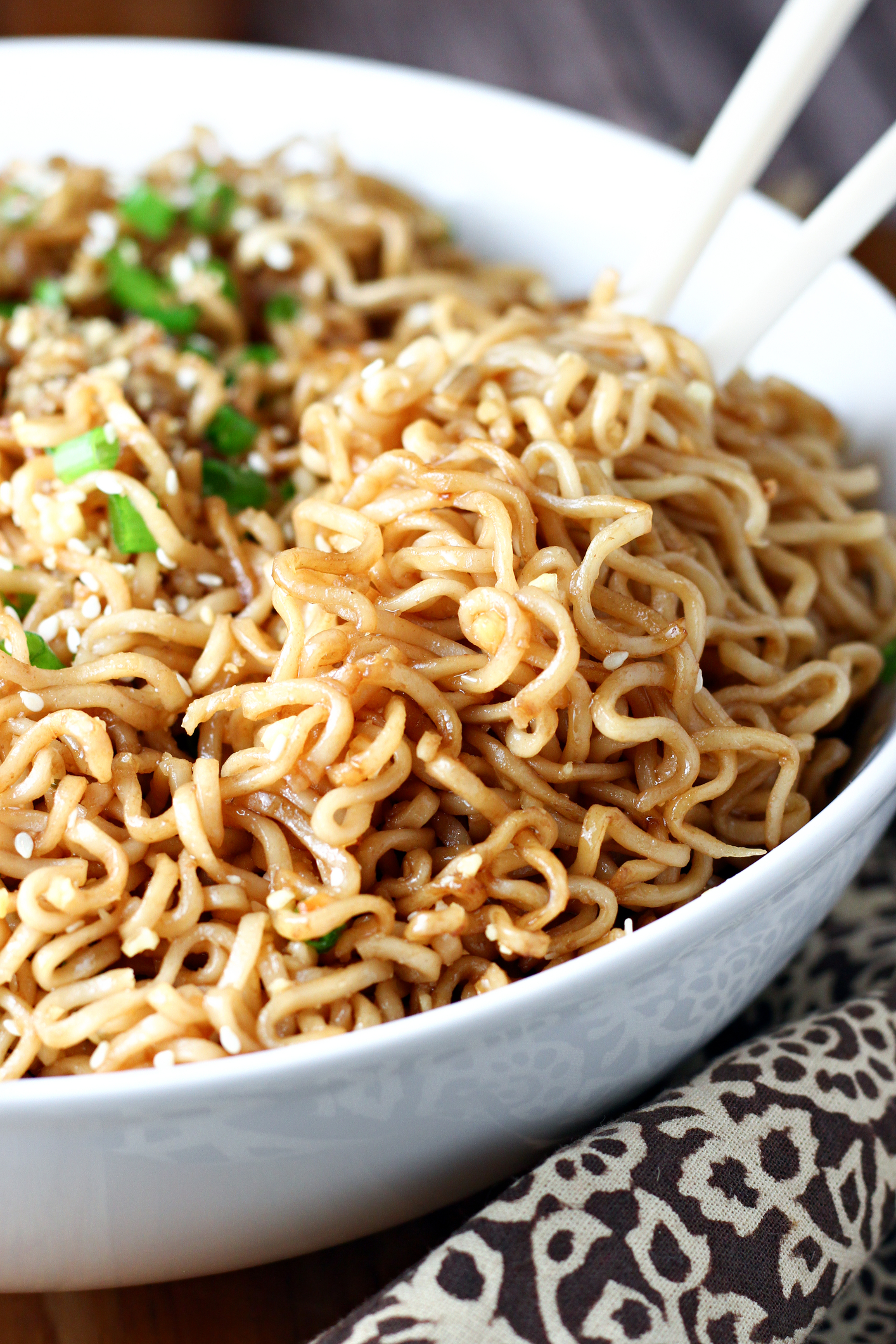
I’d made this peanut noodle bowl on a Tuesday — no occasion, no planning — just a jar of peanut butter I needed to use before it turned, half a rotisserie chicken in the fridge, and about 25 minutes before everyone got too hungry to wait. It came together faster than I expected, and I stood there eating a test bite directly over the cutting board while the lime was still rolling around on the counter.
It’s not a recipe I thought would become a repeat. And yet.
About the Sauce — and Why I Almost Wrecked It
The sauce is the whole point here, and it also nearly ruined my first batch. I added the peanut butter straight from the fridge — cold and stiff — and it seized up the moment it hit the soy sauce. Gluey. Dense. Nothing like the glossy coating it’s supposed to be.
Warm water. That’s what fixes it, and how much you add depends entirely on how thick your peanut butter is. I use about 3 tablespoons to start, whisk it in, and then add more a splash at a time until it coats the back of a spoon without dragging. Cold peanut butter needs more; natural runny peanut butter needs less. I thought about adding a pinch of ginger — actually no, I skipped it. The lime does enough.
Quick tip: Whisk the sauce in the bowl you plan to toss everything in. Fewer dishes, and the bowl warms up slightly from the friction, which helps the peanut butter loosen faster.
Most recipes say to add the sesame oil last, at the end as a finishing drizzle. They’re wrong. It integrates better when you whisk it into the sauce with everything else — the flavor distributes evenly instead of pooling on top of whatever noodles it lands on first.
The red pepper flakes: I use half a teaspoon and it’s present but not aggressive. My neighbor Diane — who does not eat spicy food, at all — had a bowl and said it was fine. Make of that what you will.
The Noodles Stuck Together and I Let It Happen
Rice noodles have about a two-minute window between perfectly tender and a clumped, sticky mass. I missed that window the first time I made this. Completely.
I drained them and walked away to shred the chicken, and by the time I came back they had fused into one unit. Still edible — but not good, not the way they’re supposed to be. Now I drain them, rinse immediately with cold water, and toss them with a very small drizzle of sesame oil right in the colander before anything else happens.
Don’t walk away from the noodles.
The cook time varies by brand. Some say 6 minutes, some say 8. I check mine at 5 regardless, because they finish cooking a little in the residual heat after draining. Pull them when they’re just barely giving way — not soft all the way through, still with a faint resistance at the center.
The Vegetables Don’t Need Cooking. That’s the Point.
Shredded carrots, sliced cucumber, thin strips of bell pepper. Everything raw, everything cold going into the bowl. This is not an oversight.
The contrast — warm noodles and chicken against cool, crunchy vegetables — is what keeps this from feeling like a heavy dish. If you cook the bell pepper or wilt the cucumber, you lose that entirely. I’ve tried it both ways. The cooked version was fine. This one is better.
Cut them thin. Not paper-thin, but thin enough that they bend slightly when you pick them up. Thick chunks of carrot don’t work with rice noodles — the textures fight each other, and you end up chewing around them instead of eating them together.
The cucumber — don’t skip it. I almost did once because I didn’t have one, and the bowl felt flat without it. Something about the cool, slightly watery bite pulls the richness of the peanut sauce back from the edge. I can’t explain it more precisely than that.
Do you find yourself leaving out half the vegetables in a recipe? I do it constantly with other things, but not here.
On the Chicken — and What I’d Do Differently
Rotisserie chicken. Every time. I’ve made this with poached chicken breast and it works, but the texture is drier and the flavor is thinner against the peanut sauce. The rotisserie version has enough seasoning and fat already in it that it holds its own.
Shred it by hand — not with forks, not chopped. Pulled into rough, uneven strips that catch the sauce in between the fibers. Chopped chicken sits in the sauce; shredded chicken absorbs it.
Honestly? I’ve also made this with no protein at all, and it’s still a meal.
The toppings matter more than they look like they do. The chopped peanuts — toasted if you have time, plain if you don’t — add a crunch that the raw vegetables don’t quite replicate. The green onions bring a sharpness that cuts through the fat. And the cilantro: if you hate it, just leave it out. I won’t tell you to try it anyway.
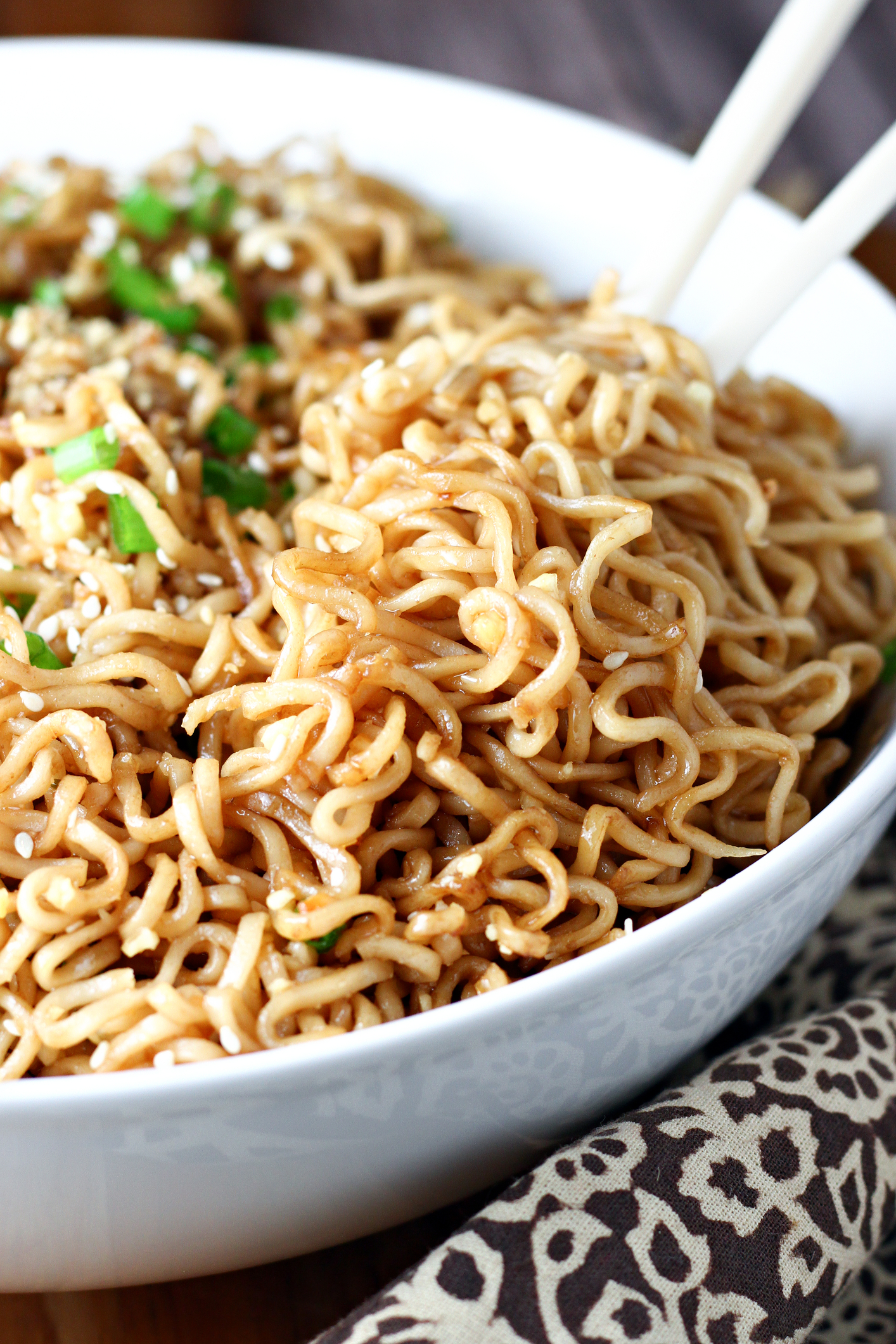
The Part Where the Sauce Gets Away From You
If you make this ahead — even by 20 minutes — the noodles will drink the sauce. Not a little. Almost all of it.
I made a big batch once thinking I’d have easy leftovers for the next day, and when I opened the container at lunch the noodles were coated in a thick, dry paste where the sauce used to be. I had to reheat it with a few tablespoons of warm water stirred back through, which brought it mostly back — but the texture of the noodles by that point was softer than they should have been.
If you’re making this ahead on purpose, keep the sauce separate until the last possible moment. Toss right before eating, not before.
The sauce itself — without any noodles — keeps in a small jar in the fridge for about 4 days. It thickens considerably once cold, so don’t panic when you open it and it looks like peanut paste. Warm water, 30 seconds of stirring,
and it comes back exactly as it was.
—How to Actually Make It
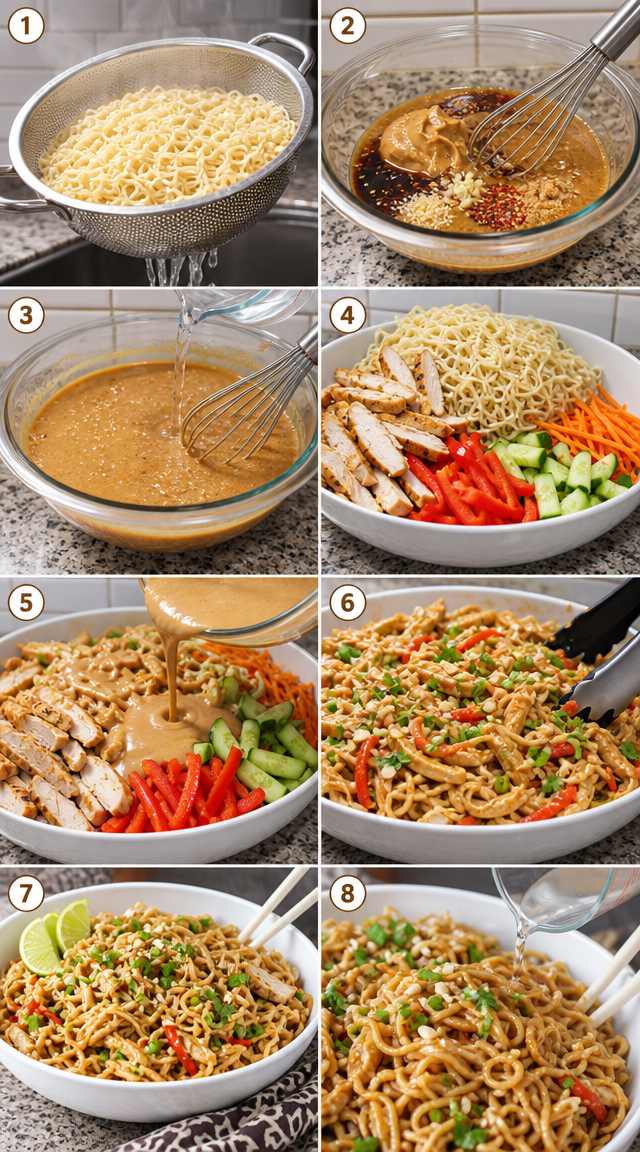
Step 1: Make the sauce first. In a large bowl, combine 3 tablespoons of peanut butter, 2 tablespoons of soy sauce, 1 tablespoon of sesame oil, 1 tablespoon of lime juice, half a teaspoon of red pepper flakes, and 3 tablespoons of warm water. Whisk until smooth. It will look broken at first — keep whisking. If it’s still too thick after a full minute of whisking, add warm water one tablespoon at a time. (Natural peanut butter needs significantly less water than the commercial kind. I learned this after drowning my second batch.)
Step 2: Cook the rice noodles according to the package, but check them at the 5-minute mark regardless of what the instructions say. Drain immediately, rinse under cold running water for about 30 seconds, and toss with a tiny drizzle of sesame oil right in the colander. Don’t let them sit. This was the first thing I got wrong, and I got it wrong more than once.
Step 3: Shred the chicken. About 1.5 to 2 cups for a two-person bowl — more if you want it protein-heavy, less if you’re thinking of the noodles as the main event. Pull it into rough strips with your hands, not with utensils. (The uneven texture picks up more sauce and that’s not nothing.)
Step 4: Prep the vegetables. Slice the bell pepper into thin strips, julienne the carrot or use pre-shredded if you have it, and cut the cucumber into half-moons or thin matchsticks — whichever takes less time. Everything goes in raw. Nothing gets cooked at this stage.
Step 5: Add the noodles to the sauce bowl and toss to coat. Work quickly. Add the chicken and vegetables and toss again. The sauce should cling to everything without pooling at the bottom. If there’s a puddle, you have too much sauce or too few noodles, and you can add more noodles or a splash more lime to sharpen it. Did yours come together on the first toss or did you have to adjust? Share below!
Step 6: Divide into bowls. Top with chopped peanuts, sliced green onion, and cilantro if you’re using it. Serve immediately with lime wedges. Squeeze the lime at the table, not in the kitchen — it hits differently when it’s fresh on top versus mixed in at the end.
Ways to Change It Up
Try this: Swap the rice noodles for soba. The buckwheat flavor works with the peanut sauce in a slightly earthier way, and soba holds up better if you’re making this ahead.
Try this: Use shrimp instead of chicken — cook them in a hot pan with a little garlic for about 2 minutes per side, then toss directly into the bowl while still warm. The contrast with the cold vegetables is sharper, which I prefer.
Try this: Make it vegetarian by leaving out the meat entirely and adding a soft-boiled egg per bowl, halved, yolk still jammy. The richness from the yolk fills in what the chicken was doing.
Which would you go for? Drop it in the comments.
How to Serve It
Serve it warm, right after tossing. Not hot — the noodles and sauce don’t need to be piping, and overheating the sauce makes the peanut butter taste flat. Warm is where it belongs.
If you’re serving it to more than two people, set out the toppings separately — peanuts, green onions, cilantro, lime wedges — and let people add their own. It keeps the noodles from getting soggy under a pile of toppings that not everyone wants.
A cold glass of something — sparkling water, a light beer, iced jasmine tea — goes surprisingly well. The sauce is rich and the cold contrast helps. I’ve served this alongside a simple cucumber salad dressed with rice vinegar, and that worked better than anything more complicated would have.
What would you pair it with?
—Storing It Without Ruining It
The noodles and sauce together do not store well. I’ll just say that plainly. The noodles absorb everything overnight and what you have in the morning is a stiff, clumped mass that needs significant water and reheating to resemble what it was.
If you want leftovers, store the components separately. Sauce in a small jar, noodles in one container, chicken and veg in another. Reheat the noodles briefly under running hot water or in a pan with a splash of water, then toss everything together fresh.
The sauce keeps in the fridge for up to 4 days. Noodles are best within a day. The chicken, if it started as rotisserie, is fine for 3 days. The raw vegetables should be cut fresh if you can — cucumber especially loses its texture fast once sliced.
Freezing the sauce works — pour it into an ice cube tray, freeze, then bag the cubes. Each cube is about 1.5 tablespoons, so two to three cubes per person is roughly right. I’ve never successfully frozen the assembled bowl and I wouldn’t recommend trying.
Have you ever saved leftovers like this? Tell me below!
Mistakes I Made So You Don’t Have To
I once doubled the red pepper flakes thinking it would just be spicier. It was — but it also made the sauce bitter in a way that the lime couldn’t fix. I had to add more peanut butter to balance it, which threw off the whole ratio, and by the end I’d basically made a new recipe out of trying to correct the first one. Half a teaspoon. That’s the ceiling.
The cucumber. I sliced it thick once — big half-moon chunks — because I was rushing. Every bite had a watery, crunchy cube that didn’t belong with the noodles. It’s a small thing but it changes the whole eating experience. Thin slices, or thin matchsticks. This matters more than it should.
I forgot to rinse the noodles once and went straight from drain to bowl. They clumped into knots inside the sauce and there was no untangling them. The dish was still edible but it looked like something went wrong — because something had. Did something like this happen to you?
Also: I used crunchy peanut butter once instead of smooth. The sauce came out gritty. Small peanut fragments don’t dissolve no matter how long you whisk. Use smooth.
Things People Ask Me About This Bowl
Can I use a different nut butter? Almond butter works and gives the sauce a slightly thinner, less sweet flavor. Cashew butter is closer to peanut in texture and I’ve used it successfully when I ran out of the regular kind. Sunflower seed butter changes the color significantly — it goes greenish — and the flavor is more muted. It depends on how attached you are to the peanut taste being the dominant note.
How do I make it gluten-free? Swap the soy sauce for tamari — same amount, same ratio. Rice noodles are already gluten-free. Everything else in the recipe is fine as written. I tried this once for a friend and she couldn’t tell the difference, so that’s probably useful information.
Can I make the sauce spicier? Yes, but don’t just add more red pepper flakes. Add a teaspoon of chili garlic sauce or sambal oelek instead — it integrates better and adds garlic depth alongside the heat. Up to about 2 teaspoons before it becomes the main flavor rather than a background note. And beyond that, it’s a different sauce.
My sauce keeps seizing up. What am I doing wrong? Cold peanut butter and cold liquid. Every time. The peanut butter needs to be at room temperature, or at least close to it — pull it out of the fridge 30 minutes ahead if you store it cold. Add the warm water first before any of the other liquids and whisk immediately. About 4 minutes of solid whisking gets it smooth even when it looks hopeless at the 2-minute mark.
Can I prep this ahead for meal prep? Partially. The sauce keeps 4 days in the fridge. The cooked noodles are workable for about 24 hours if you toss them with a little sesame oil. But fully assembled and sauced? Eat it within an hour or the noodles absorb everything. It depends on how much you’re willing to reassemble at the end.
Is this actually 25 minutes or is that a lie? It’s 25 minutes if you use rotisserie chicken and pre-shredded carrots. If you’re poaching chicken from raw and cutting every vegetable by hand, it’s closer to 40. I’ve done both. The rotisserie version is the one that hits 25 minutes reliably. But the from-scratch version isn’t dramatically better, so do what you have time for.
Which answer helped you most?
Where I’ve Landed With This One
I’ve made this bowl probably a dozen times now, and it still doesn’t feel like something I’ve mastered. The sauce ratio shifts depending on the peanut butter brand. The noodle timing changes with the package. Some nights it comes together in exactly 25 minutes and other nights something small goes sideways — usually the noodles, always the noodles.
My husband asked for it again last week, which is saying something because he’s not the type to request specific meals. He just showed up in the kitchen and asked if we had that peanut thing. We did.
Will you make this soon?
If you do, pull the noodles early. Whisk the sauce longer than you think you need to. Don’t skip the cucumber. And squeeze the lime at the table — it matters.
I still haven’t figured out whether smooth or slightly-too-thick sauce is better on the noodles, and I’ve stopped trying to decide. Some batches lean one way, some lean the other. I’m not sure it matters enough to control for it.
Fun fact: Peanuts aren’t actually nuts — they’re legumes, which means they’re more closely related to lentils and chickpeas than to almonds or walnuts. They grow underground, not on trees. Which makes “peanut butter” a technically misleading name that nobody’s bothered to fix.
Happy cooking! —Marina Caldwell
Quick Thai Peanut Noodle Bowl Dinner Idea
Ingredients
Instructions
Notes
See full recipe for nutritional information.