My First Encounter with Rosemary
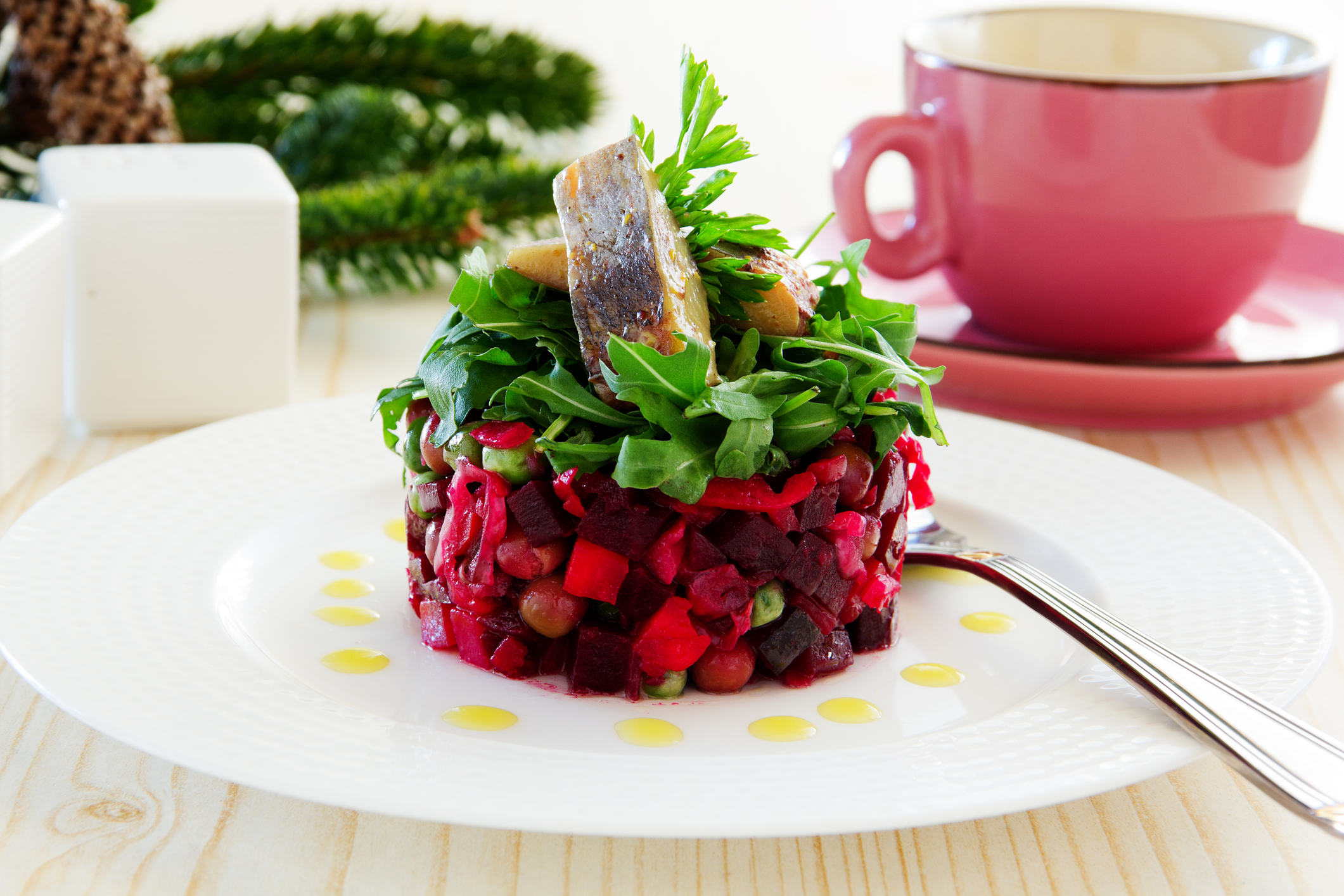
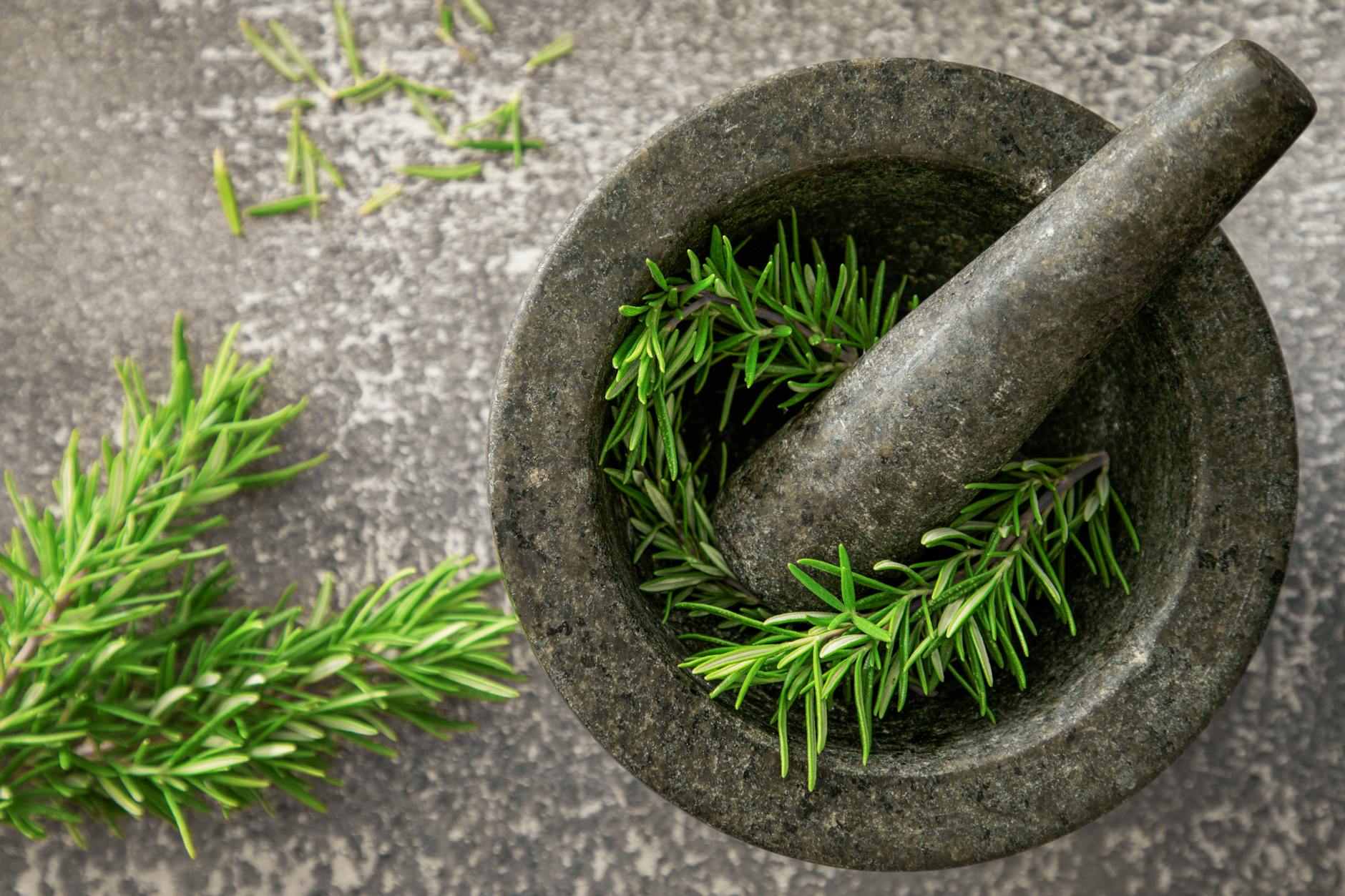
I was at my grandmother’s kitchen counter, crushing dried rosemary into a bowl of soup. She told me it would clear my head and settle my stomach. I didn’t argue—I just breathed in that piney, woodsy scent and felt something shift. That moment started my deeper dive into this powerful herb.
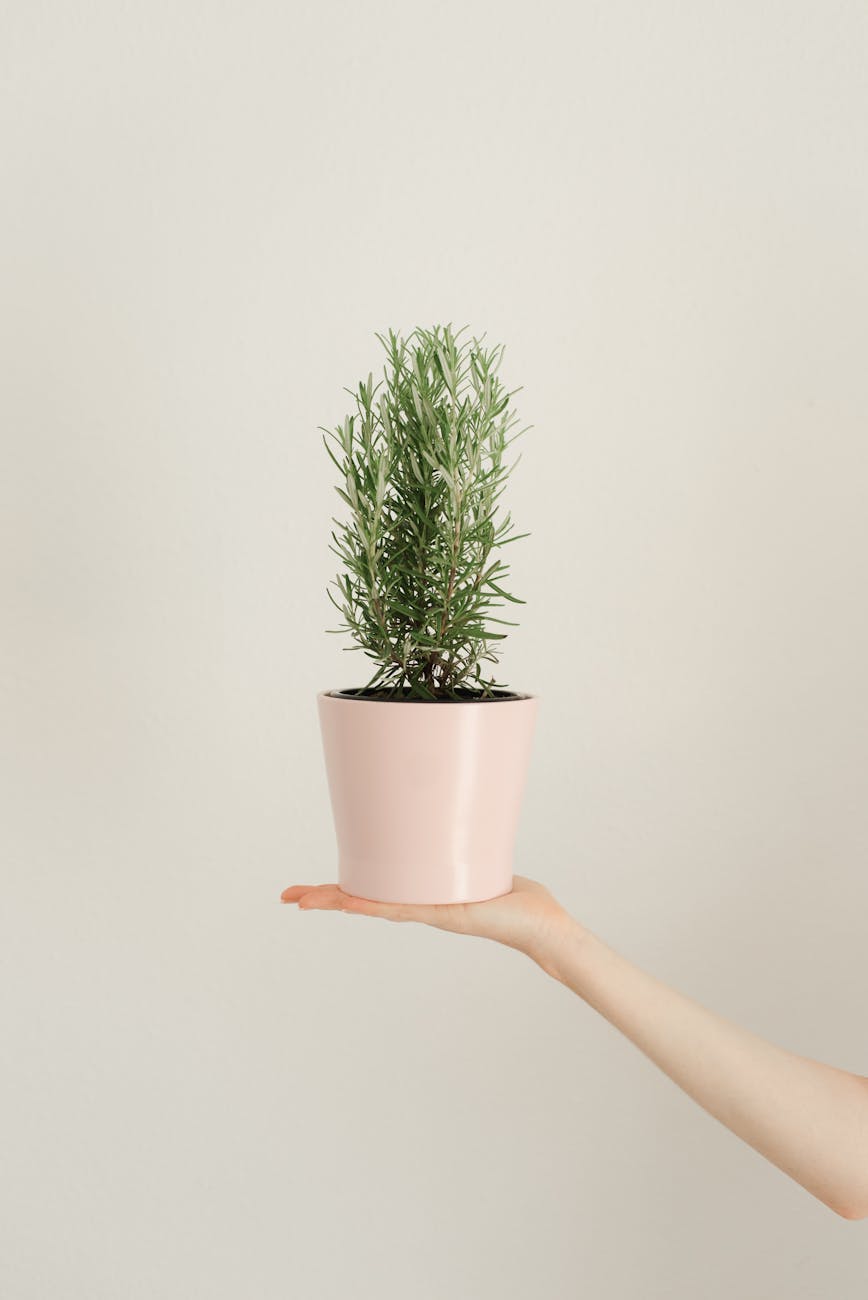
I began growing a small bush in a clay pot by the back door. It thrived with almost no effort, and I used it for everything from tea to hair rinses.
What Rosemary Really Is
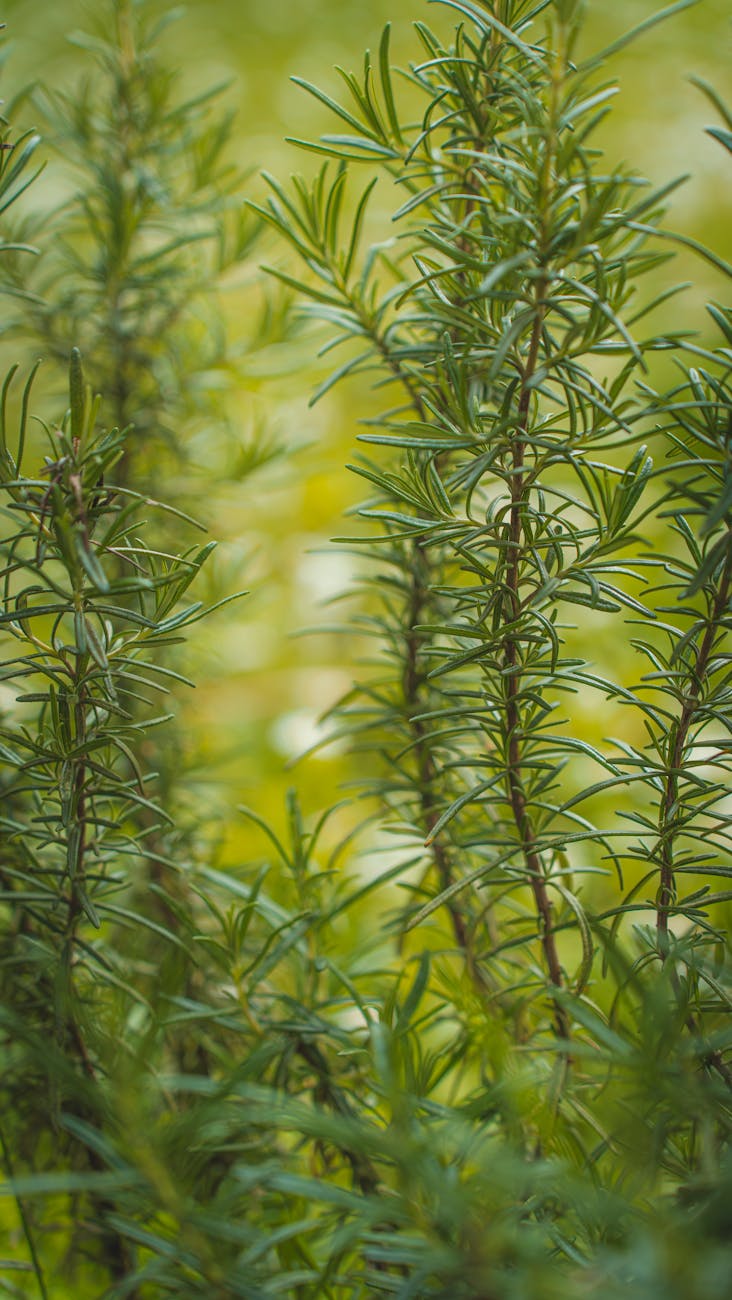
Rosemary is an evergreen shrub native to the Mediterranean region. It belongs to the mint family, which surprised me since it tastes nothing like mint. The plant can live for decades and produces small blue flowers that bees absolutely love.
Historically, ancient Greeks and Romans used rosemary for memory and concentration. Students would wear sprigs behind their ears during exams. One surprising botanical fact: rosemary can grow in poor, rocky soil and actually prefers drought-like conditions over constant watering.
Modern research has identified over 40 active compounds in rosemary, including 1,8-cineole, rosmarinic acid, and carnosic acid. These give the herb its distinct aroma and biological effects.
Traditional Uses That Hold Up
Rosemary has been used for centuries to sharpen memory and mental clarity. Ancient scholars burned rosemary bundles while studying, and that tradition continues in some herbal circles today.
Digestive relief is another classic use. A warm rosemary tea after a heavy meal helps reduce bloating and calms cramping. The antispasmodic properties relax the gut muscles naturally.
Topically, rosemary oil has been applied to soothe sore joints and muscles. Some studies suggest it may reduce inflammation as effectively as over-the-counter creams. Quick tip: always dilute rosemary essential oil with a carrier oil like jojoba or coconut before applying to skin.
How I Use Rosemary Every Day
The simplest method is rosemary tea. I steep two fresh sprigs in boiling water for five minutes, then sip slowly. It’s earthy and calming.
For cooking, I add whole sprigs to roast chicken, potatoes, and bread dough. Rosemary infuses oils and vinegar beautifully too—just let a few sprigs sit in olive oil for a week.
For hair health, I mix five drops of rosemary essential oil with two tablespoons of olive oil. I massage it into my scalp before showering and leave it for 20 minutes. After three months I noticed less shedding.
I also place dried rosemary in a small muslin bag near my desk. Sniffing it during work helps me refocus.
Growing and Sourcing Rosemary
Rosemary grows easily from cuttings or nursery starts. Plant it in full sun and well-drained soil—overwatering is the quickest way to kill it. I water mine only when the top inch of soil feels dry.
If you live in a cold climate, bring rosemary indoors for winter. It thrives on a sunny windowsill and will provide fresh sprigs year-round. If buying dried rosemary, look for organic whole leaves rather than powder—they retain more volatile oils.
Precautions and Final Thoughts
Pregnant women should avoid medicinal doses of rosemary oil internally. People with high blood pressure or epilepsy should also consult a doctor before using concentrated rosemary products. Stick to culinary amounts for safety.
My own experience with rosemary has been positive and grounding. It’s one of those herbs that meets you where you are—whether you need focus, digestion help, or just a flavorful meal. Do you use this herb? Tell me below!
Which use will you try first? I think the rosemary tea is the easiest starting point. Will you add this to your routine?
This article is for informational purposes only and not medical advice.
—Marina Caldwell