I Wasn’t Trying to Make a Green Cake
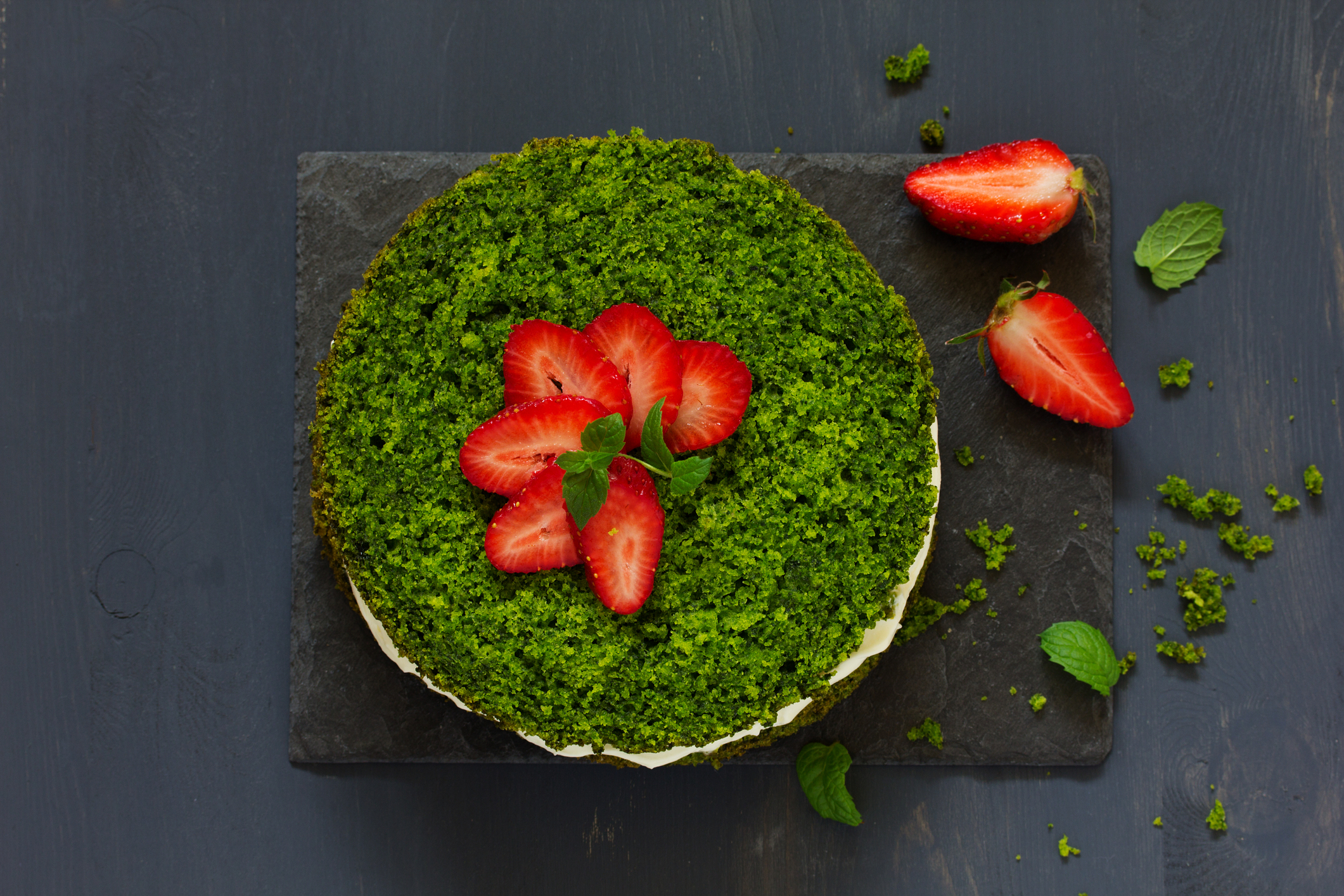
My neighbor Selin brought something to a potluck last spring that I kept circling back to on the table. Not because it was the most impressive-looking thing there, but because I couldn’t figure out what color it was — a soft, dusty green, frosted evenly, sitting next to a very ordinary-looking pasta salad.
She told me it was spinach. I didn’t believe her until I’d eaten two slices.
I asked for the recipe that same night, wrote it on the back of a grocery receipt, and lost the receipt for about three weeks.
When I finally made it, the batter looked almost too thin going into the pan — I thought about adding more flour — actually no, I didn’t touch it, and I’m glad, because the crumb turned out tender in a way that more flour would have wrecked.
Curious mood, that first attempt. I kept stopping to look at things.
About the Spinach — Which Matters More Than You’d Think
Fresh spinach only. Frozen spinach holds too much water even after squeezing, and the color ends up duller, more grey-green than the bright muted green you want.
Blanch it for exactly 2 minutes, then squeeze it aggressively — both hands, over the sink, more than once. You want it almost dry before you chop it. Damp spinach will pull the batter loose in a way you won’t catch until you’re already 20 minutes into the bake.
Chop it fine. Not blended — chopped. There’s a texture difference in the finished cake that you notice on the second bite.
Most recipes at this point tell you to just fold the spinach in whole. That’s wrong. Finely chopping it first means it distributes into the batter instead of collecting in pockets, which is what you get when you’re lazy about it. I was lazy about it the second time I made this. The third slice hit a dense green clump and it was not pleasant.
Quick tip: After blanching, roll the spinach in a clean dish towel and wring it like you’re trying to get every drop out — this takes about 45 extra seconds and makes a genuine difference in texture.
Some recipes use spinach puree throughout. This one uses finely chopped spinach in the cake and puree only in the buttercream, which keeps the frosting color separate and clean without making the cake itself too wet.

Creaming the Butter and What I Keep Getting Wrong
The butter needs to be genuinely soft. Not melted, not cold, not “left on the counter for 10 minutes because I forgot.” Soft enough that a finger leaves a dent without resistance. I’ve rushed this step twice and both times the batter looked slightly grainy going in — it baked out fine, but I could tell.
Cream the butter and sugar for 3 to 4 minutes at medium speed. It should go from yellow and dense to something almost white and visibly fluffier. This is the part where I usually walk away and come back — and once I came back too late and it had been going for nearly 8 minutes.
Honestly? That cake was fine. I’ve made worse.
Add the eggs one at a time, beating after each one fully before the next goes in. If you dump them all in together, the emulsion gets ahead of you and the batter can look split for a while before it pulls back together — or it doesn’t pull back at all.
Eggs, then spinach and vanilla into the wet mix. Then alternate the flour mixture and milk starting and ending with flour.
Three additions of flour, two of milk. That’s the cadence. Don’t start with milk — the fat needs the flour to hold on to.
The Bake Itself Is Calmer Than You Expect
180°C, 20cm round pan, greased and lined. Pour the batter in and smooth it flat — it won’t level itself, it’s too thick for that.
32 to 35 minutes. Start checking at 30. The top will look set and the edges will have pulled slightly from the sides of the pan. A toothpick in the center should come out clean, not just dry-looking — there’s a difference.
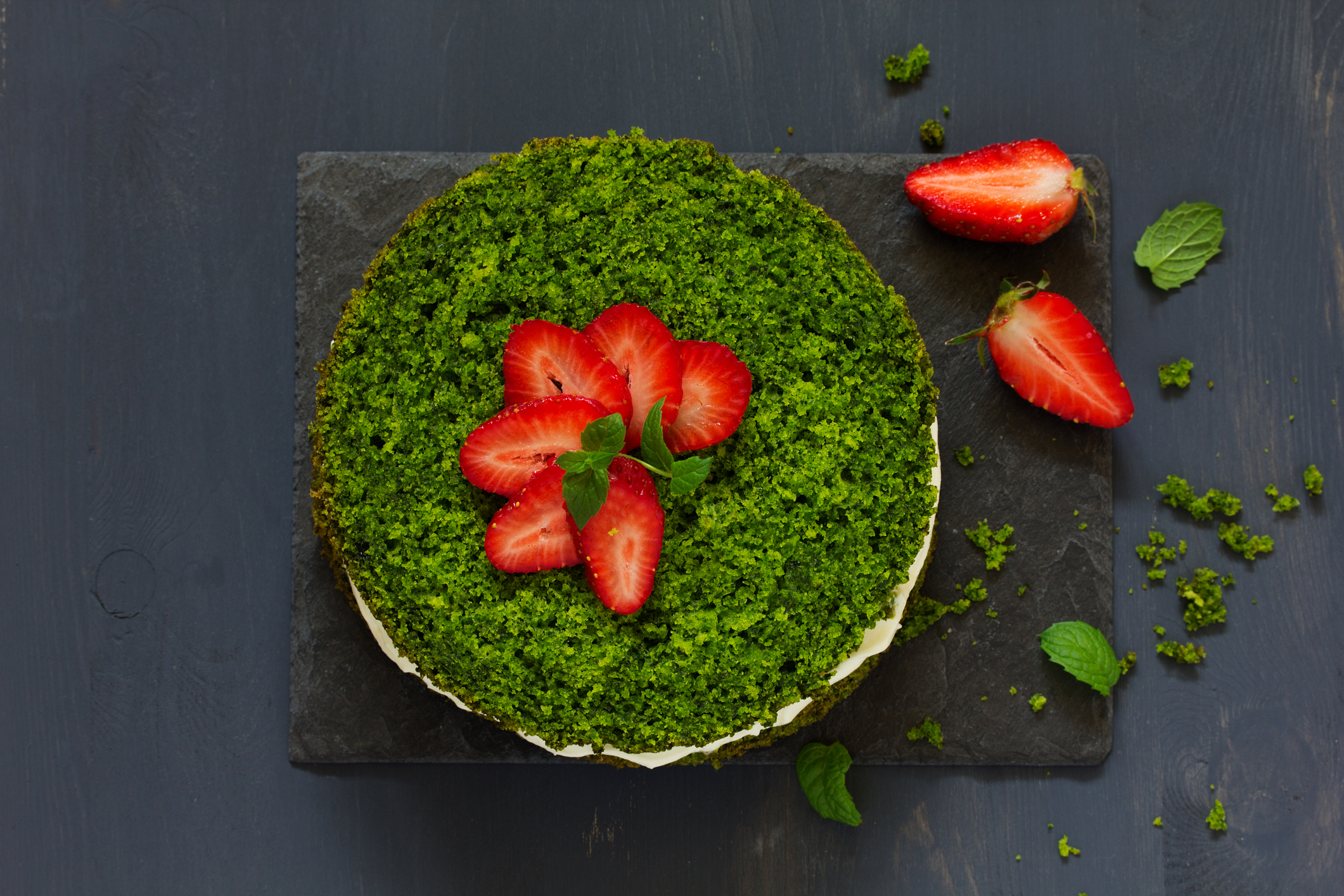
The color when it comes out will be less vibrant than the batter. It deepens to a darker, earthier green. That’s normal and it won’t affect the taste.
Cool in the pan for 15 minutes before turning out. I skipped this step once and the bottom stayed on the pan. Not catastrophically, but enough that the bottom of the cake was uneven and the buttercream sat crookedly on it.
Let it cool completely before frosting — this is non-negotiable, not a suggestion. Warm cake melts buttercream into a puddle that slides.
The Buttercream Is Where It Gets Interesting
200g soft butter, 300g powdered sugar, 2 tablespoons spinach puree, 1 teaspoon vanilla. Beat the butter first on its own for about 2 minutes before adding anything — this is the step most people skip, and it’s what makes the difference between grainy frosting and one that’s actually pale and smooth.
Add the powdered sugar in batches. Not all at once. The cloud of sugar will go everywhere anyway; adding it in stages at least keeps it controlled.
The spinach puree goes in last. It will look like it’s going to ruin the color — slightly grey for about 20 seconds of mixing — and then it comes together into a pale, muted green that looks intentional.
Not vivid. Muted. If you want a brighter green, a drop of food coloring will do it, but I’ve left it natural every time I’ve made this and no one has complained about the color being wrong.
Selin’s version used more pistachio in the buttercream — I tried it that way once and it added a slight graininess I didn’t love. I went back to just the puree.
Spread it on top and sides, then press crushed pistachios into the top. Refrigerate for 30 minutes before you cut into it. If you skip the 30 minutes, the frosting smears when you slice and the slices don’t hold their shape cleanly.
—How to Actually Make It, Step by Step
Step 1: Preheat your oven to 180°C (350°F). Grease a 20cm round cake pan and line the bottom with parchment paper. Don’t skip the parchment — this cake has a tendency to stick at the bottom even in a well-greased pan.
Step 2: Blanch 250g fresh spinach in boiling water for exactly 2 minutes, then drain and immediately run cold water over it to stop the cooking. Squeeze it dry in your hands, then squeeze again in a dish towel. Finely chop the dry spinach until it’s almost paste-like in texture. (Skipping the cold water rinse will leave the spinach cooking from residual heat and turn it olive-brown by the time it hits the batter.)
Step 3: Beat 150g softened butter with 200g granulated sugar at medium speed for 3 to 4 minutes. It should lighten noticeably in both color and texture. If it still looks yellow and dense, keep going — under-creamed butter is the first place this cake can quietly go wrong.
Step 4: Add 3 large eggs one at a time, beating well after each one. I usually count to 20 between eggs just to make sure. Then add the finely chopped spinach and 1 teaspoon vanilla extract and mix until evenly combined — the batter will turn green here, which still catches me off guard even now.
Step 5: In a separate bowl, whisk together 200g all-purpose flour, 2 teaspoons baking powder, and 1/2 teaspoon salt. Alternate adding the flour mixture and 60ml whole milk to the butter mixture in three flour additions and two milk additions, starting and ending with flour. Fold in ground pistachio here if you’re using it. Did your batter look thinner than you expected at this stage? Share below!
Step 6: Pour the batter into the prepared pan, smooth the top with a spatula, and bake for 32 to 35 minutes. Test with a toothpick starting at the 30-minute mark. Cool in the pan for 15 minutes, then turn out onto a wire rack and leave it alone until completely cool — no shortcuts here.
Step 7: For the buttercream, beat 200g softened butter on its own for 2 minutes, then add 300g powdered sugar in 3 batches. Add 2 tablespoons spinach puree and 1 teaspoon vanilla extract, then beat until pale and smooth. Spread over the cooled cake and press crushed pistachios on top. Refrigerate for 30 minutes before slicing.
Ways to Change It Up
Try this: Swap the buttercream for a cream cheese frosting — use 150g cream cheese and 100g powdered sugar, skip the butter entirely, and still add the spinach puree. It’s tangier and less sweet, which some people strongly prefer.
Try this: Add the zest of one lemon to the cake batter with the vanilla. It doesn’t read as lemon when you eat it, but it lifts the flavor in a way that’s hard to name.
Try this: Make it as cupcakes instead of a single layer. Bake at the same temperature for 18 to 20 minutes. The pistachio garnish on top of individual buttercream swirls looks considerably more put-together than the whole cake version, for less effort.
Which would you go for? Drop it in the comments.
How to Serve It
Serve it cold or at cool room temperature — the buttercream holds its shape better and the flavors are cleaner when it hasn’t been sitting out for an hour. Take it out of the fridge about 10 minutes before slicing.
A small pour of salted caramel alongside works surprisingly well — the salt cuts the sweetness of the buttercream and the caramel doesn’t fight with the spinach flavor at all.
It also works on a table next to strong tea or Turkish-style coffee, which is where it came from. The bitterness of the coffee against the sweet frosting is the version I keep going back to.
What would you pair it with?
—Storing It Without Ruining It
Cover the cake and keep it in the fridge. The buttercream has spinach puree in it, so room temperature storage overnight is pushing it — I’d say 4 hours out maximum before it goes back in.
In the fridge, covered, it holds well for about 4 days. The flavor actually improves on day two. The texture tightens slightly but a few minutes out of the fridge fixes that.
For freezing: freeze the cake layer unfrosted, wrapped tightly in two layers of plastic. The buttercream doesn’t freeze well — the spinach puree separates a little on thaw and you end up with a slightly weepy frosting. Make the buttercream fresh when you’re ready to serve.
To reheat a single slice, 10 seconds in the microwave at most — just enough to take the chill off, not enough to melt anything. Longer than that and the buttercream starts pooling.
Have you ever saved leftovers like this? Tell me below!
Mistakes I Made So You Don’t Have To
I once used frozen spinach because I was out of fresh and didn’t want to go to the store. The water content was so high that even after squeezing for what felt like five minutes, the batter was visibly loose. The cake baked through but the crumb was dense and almost gummy in the center. I served it anyway.
The second mistake: I added the spinach to the butter before the eggs. It sounds minor. The batter looked fine. But the texture of the finished cake was slightly heavier than it should be — the fat coating on the spinach interfered with how the eggs emulsified into the mix. Order matters here more than it should.
The third: I rushed the buttercream cooling step. Didn’t refrigerate after frosting, went straight to slicing after about 5 minutes. The frosting dragged across the cake surface every time the knife came through and the slices looked like they’d been through something. Did something like this happen to you?
Questions People Actually Ask
Can you taste the spinach in the cake? Not the way you’d expect. It’s more like a mild earthiness in the background — present, but not the flavor you’re identifying. I tried this on three people who didn’t know what was in it and two of them guessed matcha.
Can I make this ahead of time? Yes. Bake the cake up to 2 days early and store it wrapped at room temperature. Make the buttercream the day you’re serving — about 20 minutes of work. And refrigerate the assembled cake for at least 30 minutes before cutting.
Do I have to use pistachios? No. But they add something — a slight crunch and a color contrast on top that makes it look finished. Without them it looks a little flat. It depends on whether you care about how it looks or just how it tastes.
What if my batter looks curdled after adding the spinach? Keep mixing at medium speed. It almost always comes back together within 30 seconds. But if your butter wasn’t soft enough going in, it may stay split — and there’s not much to do at that point except continue and accept a slightly denser crumb.
Can I use a different pan size? It depends on depth. A 23cm pan will work but the cake will be shallower and will bake faster — check at 25 minutes. A loaf pan changes the bake time significantly and the center tends to lag. I haven’t tried a bundt and I don’t know how the spinach distribution would behave there.
Is this very sweet? The cake layer is moderately sweet. The buttercream is quite sweet on its own — 300g powdered sugar to 200g butter is a high ratio. If you want it less sweet, reduce the powdered sugar to 220g and add an extra teaspoon of spinach puree to compensate for the looser texture. And the pistachios on top actually help balance it.
Which answer helped you most?
Still Thinking About That Potluck Table
I’ve made this cake four times now. The first time was the most interesting — every step felt like I was guessing slightly. The fourth time I made it almost on autopilot, which is either a sign I’ve figured it out or a sign I’ve stopped paying attention.
Spinach is one of the few vegetables that retains its green chlorophyll pigment even after heat — as long as it’s blanched briefly and not overcooked, which is why 2 minutes matters.
The thing I didn’t expect: this cake photographs strangely. The color shifts depending on light and it often looks either more grey or more vivid than it does in person. In person it’s more subtle and more appealing than most photos of it suggest.
Will you make this soon?
I still have Selin’s original recipe — well, my version of it from memory and a lost grocery receipt — and I’m not entirely sure I’ve landed on the right amount of pistachio in the batter. Some versions I’ve seen use twice what this recipe calls for. I haven’t tried that yet.
Maybe next time.
Happy cooking! —Marina Caldwell
Turkish Spinach Cake with Buttercream Frosting
Ingredients
- 250g fresh spinach, blanched and finely chopped
- 200g all-purpose flour
- 150g butter, softened
- 200g granulated sugar
- 3 large eggs
- 60ml whole milk
- 2 tsp baking powder
- 1/2 tsp salt
- 1 tsp vanilla extract
- 1/2 tsp ground pistachio (optional)
- 200g butter for buttercream
- 300g powdered sugar
- 2 tbsp spinach puree
- 1 tsp vanilla extract for frosting
- Pistachios and edible green coloring (optional garnish)
Instructions
- 1Preheat oven to 180°C (350°F). Grease and line a 20cm round cake pan.
- 2Blanch fresh spinach in boiling water for 2 minutes, squeeze dry, and finely chop until very fine.
- 3Cream together softened butter and sugar until light and fluffy, about 3-4 minutes.
- 4Add eggs one at a time, beating well after each addition.
- 5Add spinach puree and vanilla extract to the wet mixture, mix thoroughly.
- 6In a separate bowl, whisk together flour, baking powder, and salt.
- 7Alternate adding flour mixture and milk to the butter mixture, starting and ending with flour.
- 8Fold in ground pistachio if using.
- 9Pour batter into prepared pan and smooth the top.
- 10Bake for 32-35 minutes until a toothpick comes out clean.
- 11Cool in pan for 15 minutes, then turn out onto wire rack to cool completely.
- 12For buttercream, beat soft butter with powdered sugar until fluffy.
- 13Add spinach puree and vanilla extract, mix until smooth and pale green.
- 14Once cake is cooled, spread or pipe buttercream on top and sides.
- 15Garnish with crushed pistachios and spinach leaf decoration.
- 16Refrigerate for 30 minutes before serving to set frosting.
Notes
See full recipe for nutritional information.