The Winter My Neighbor’s Garden Changed Everything
Three winters ago, I caught back-to-back colds in the span of six weeks, and I was genuinely miserable about it. My neighbor Barbara, who keeps a sprawling garden behind her fence, leaned over one afternoon with a small brown bottle and said, “Try this before you reach for anything else.”
It was an echinacea tincture she had made herself from the coneflowers growing in her back beds. I was skeptical — I had seen those purple flowers my whole life and never thought twice about them.
That season I started paying attention, researching seriously, and eventually growing my own plants. What I found surprised me enough to write about it here.
What Echinacea Actually Is
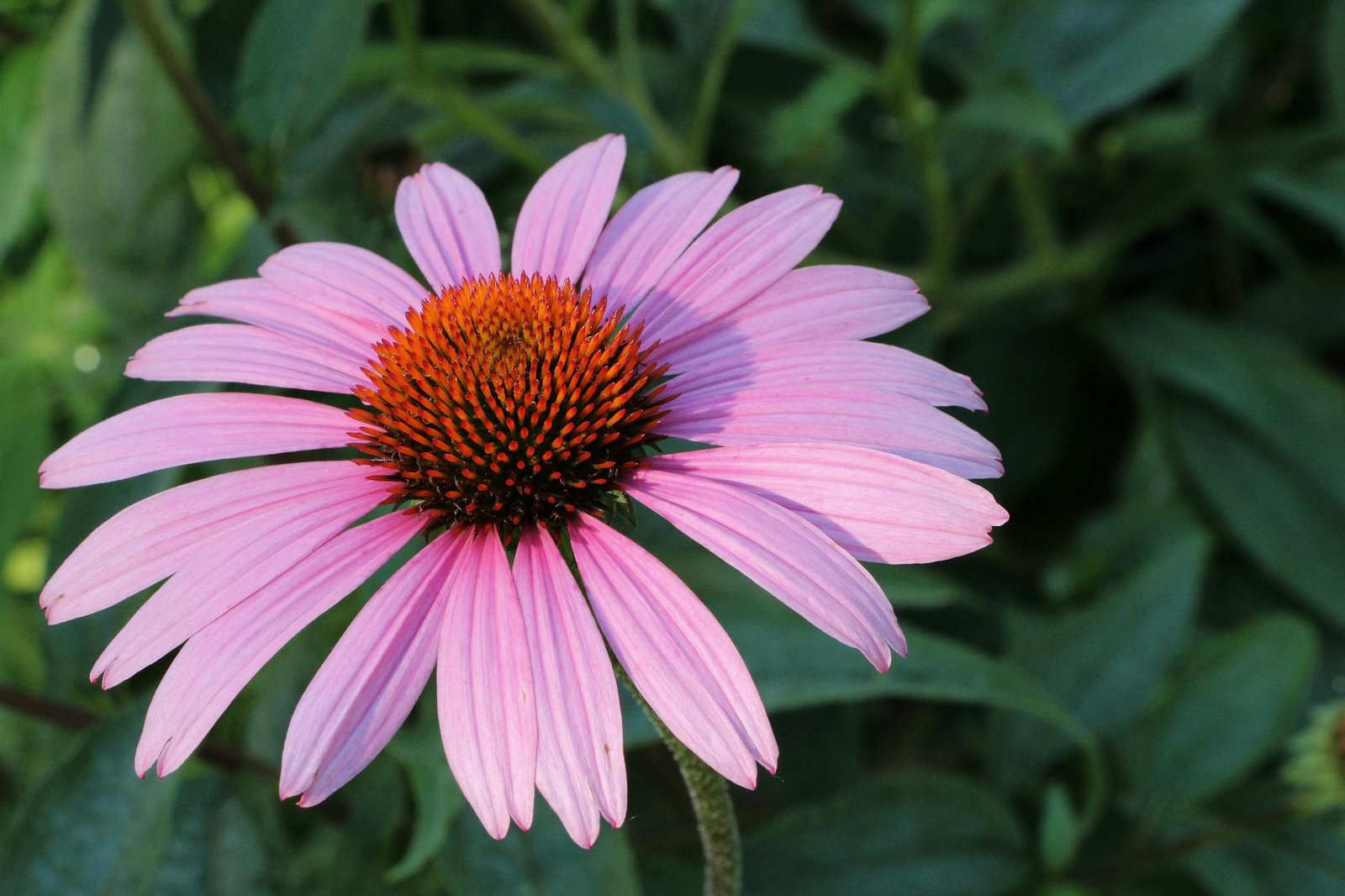
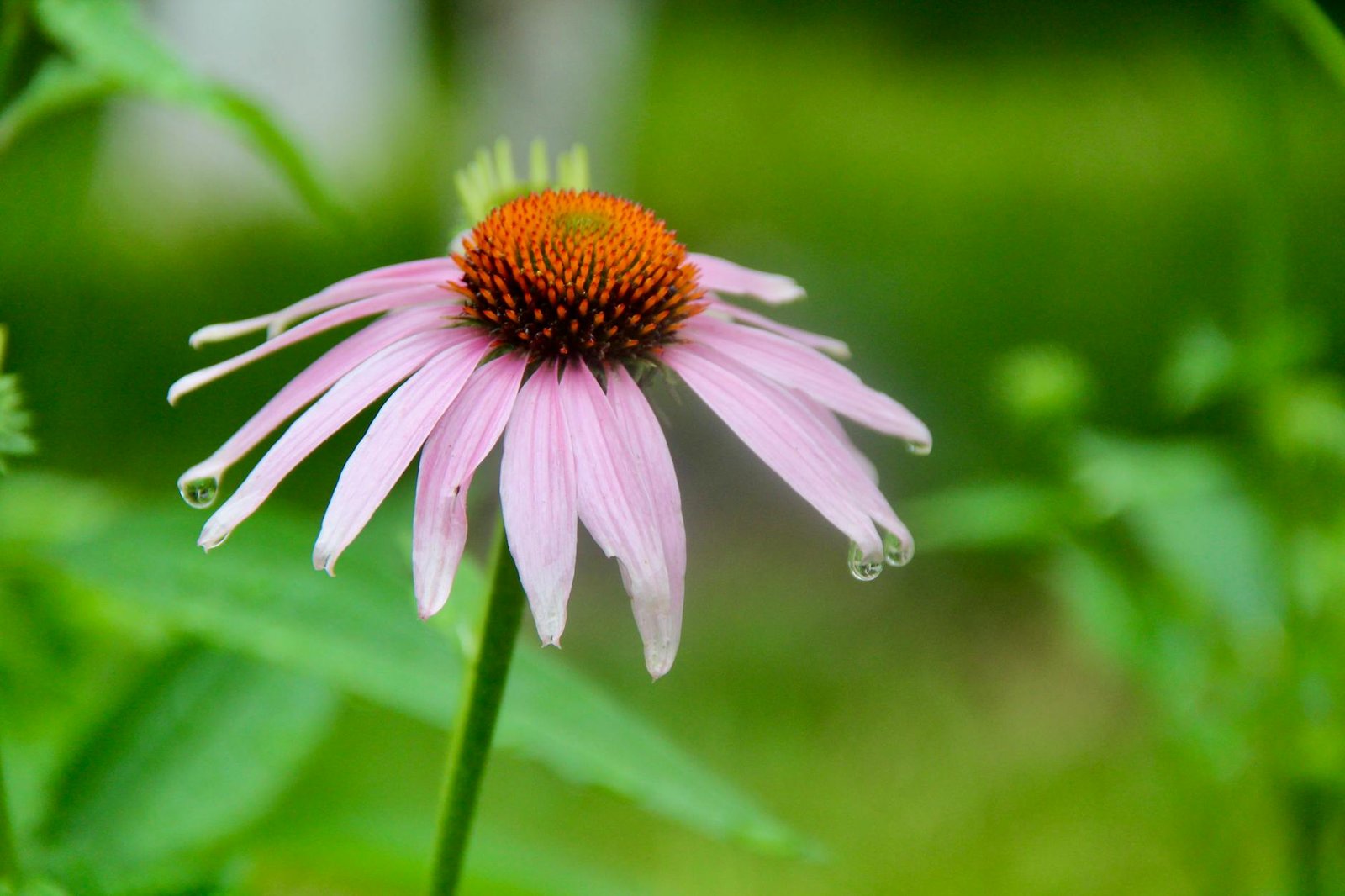
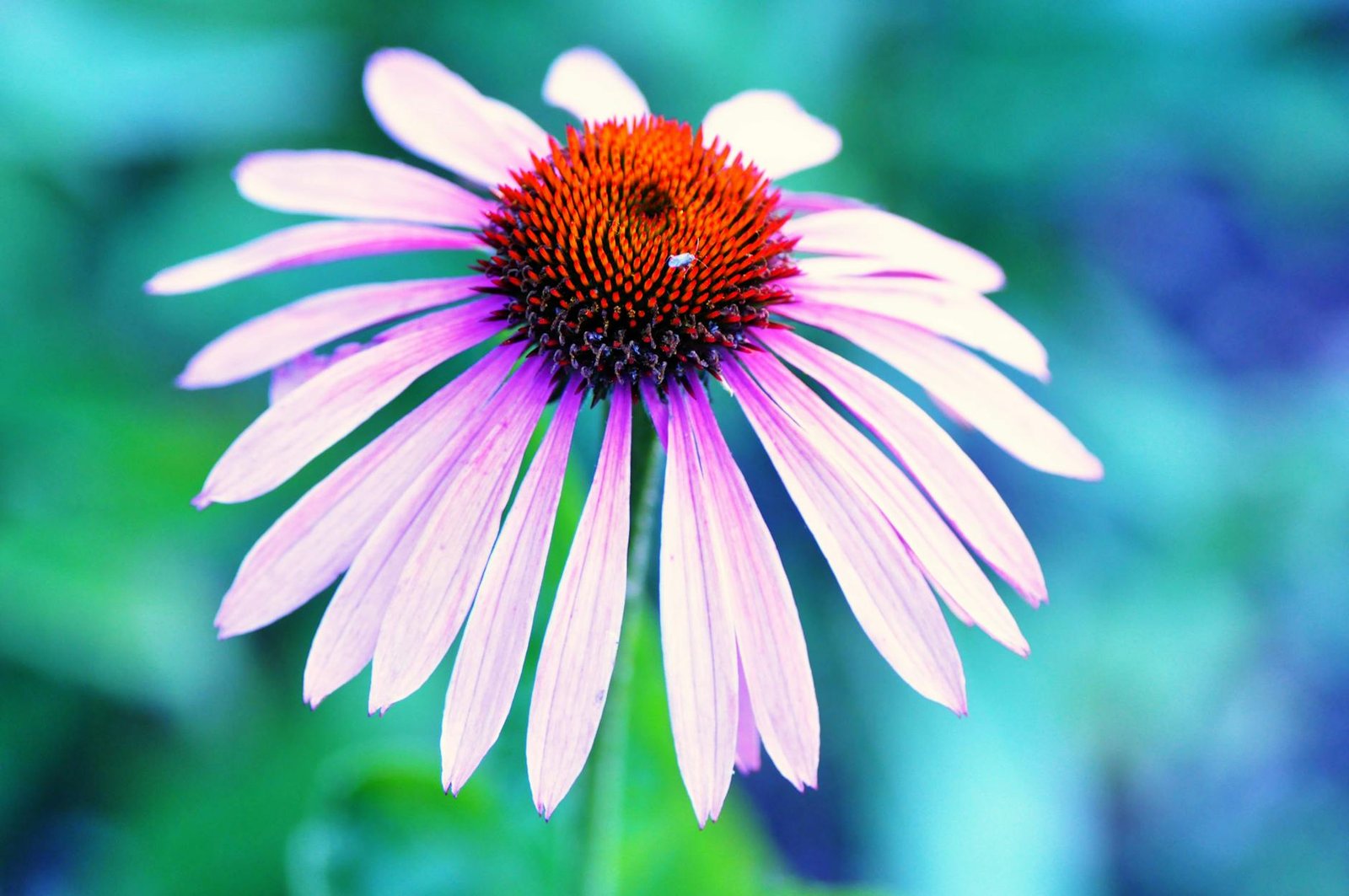
Echinacea is a genus of flowering plants in the daisy family, native to North America, with three species most relevant to herbal use — Echinacea purpurea, Echinacea angustifolia, and Echinacea pallida. The plants grow two to four feet tall, producing bold purple-pink cone-shaped blooms that attract bees, butterflies, and, apparently, curious gardeners like me.
Plains peoples including the Lakota and Cheyenne used various parts of these plants for generations — the roots, leaves, and flowers all appeared in their practices. By the late 1800s, echinacea had become one of the most widely used medicinal plants in North America before antibiotics shifted the landscape entirely.
Here is the botanical fact that genuinely stopped me mid-research: the name “Echinacea” comes from the Greek word echinos, meaning hedgehog or sea urchin — a reference to the spiky central cone of the flower head. I now cannot look at my garden bed without thinking about hedgehogs.
Traditional Uses and What the Research Actually Says
Historically, echinacea was applied to wounds, used for toothaches, and taken internally during fever and respiratory illness. It was not used as a daily supplement — it was pulled out deliberately, at the onset of something.
Some studies suggest that echinacea may reduce the duration of a common cold by roughly a day or more and soften symptom severity, particularly when taken at the very first signs. I want to be honest here: the research is genuinely mixed, with some trials showing meaningful results and others showing little difference versus placebo.
The most consistent findings cluster around Echinacea purpurea preparations, particularly standardized extracts, rather than low-quality teas or supplements with vague labeling. What seems likely is that the active compounds — alkylamides, polysaccharides, and cichoric acid — interact with immune signaling pathways, though exactly how and how reliably is still being studied.
Some research also points toward topical applications showing promise for minor wound healing and skin inflammation. I have used a diluted echinacea tincture on small cuts and irritated patches myself, though I cannot make any claims about what it does or doesn’t do medically.
How I Actually Use It — Practical Methods and Amounts
The method I reach for most is a tincture — specifically one made from Echinacea purpurea aerial parts, standardized if I’m buying it, or homemade from my own plants when I have enough. The general guidance I follow is 2.5 mL two to three times daily at the first sign of a cold, for no more than ten days at a stretch.
Quick tip: Look for a tincture label that lists the specific species and the part of the plant used — root, aerial parts, or both. A label that just says “echinacea extract” without further detail tells you very little about what you’re actually taking.
For tea, I use about one to two teaspoons of dried E. purpurea flowers and leaves steeped in eight ounces of just-boiled water for fifteen minutes. It has a mild, slightly earthy taste with a faint tingle on the tongue — that tingle, by the way, is considered a sign of active alkylamides, so it’s actually a quality indicator.
Capsules are a reasonable option when traveling — I look for standardized extracts listing at least 4% phenolic compounds or similar markers. I don’t use echinacea every single day year-round; I treat it as something to reach for intentionally, not habitually.
Which use will you try first?
Growing Your Own or Finding Quality Sources
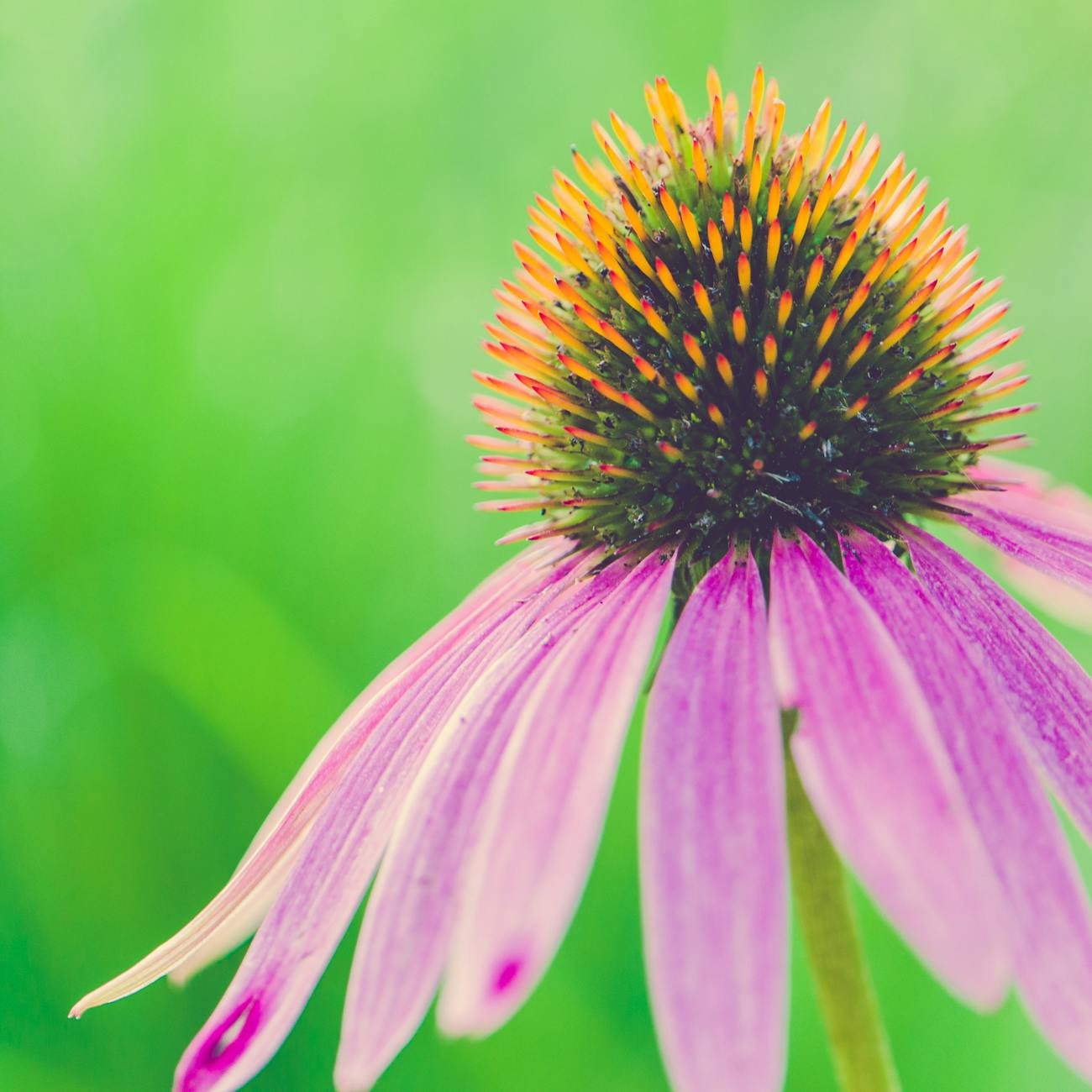
I grow Echinacea purpurea in a sunny bed along my south-facing fence, and honestly it is one of the least demanding plants in my entire garden. It tolerates drought, comes back reliably each year as a perennial in zones 3 through 9, and spreads slowly if you let it self-seed — which I do.
Start seeds indoors about eight weeks before your last frost, or direct sow in fall for spring germination. The plants typically don’t bloom strongly until their second year, so patience is part of the deal. I harvest the aerial parts — flowers and upper leaves — in mid-summer when blooms are just opening.
If growing isn’t possible, look for products from companies that specialize in herbal medicine and list their sourcing transparently. Brands like Herb Pharm, Gaia Herbs, and MediHerb have solid reputations for third-party testing and honest labeling. Buying echinacea as a bulk dried herb from a reputable herb supplier is also a good option if you want to make your own tea or tincture.
Avoid anything with a proprietary blend that lumps echinacea together with twenty other herbs without listing individual amounts. You genuinely cannot evaluate what you’re taking from a label like that.
Who Should Be Careful — And My Honest Reflection
People with autoimmune conditions — including rheumatoid arthritis, lupus, and multiple sclerosis — should talk to their doctor before using echinacea, because anything that influences immune activity warrants careful consideration in those situations. The same applies to anyone taking immunosuppressant medications.
If you have allergies to plants in the daisy family — ragweed, chrysanthemums, marigolds — there is a reasonable chance you could react to echinacea as well, so approach it carefully and start with a small amount. Pregnant and breastfeeding women should consult a healthcare provider before using it.
My honest reflection after a few years of growing and using this plant: it is not a magic switch, and I don’t treat it like one. There were colds where I used it and felt like it helped noticeably, and one winter where I used it and got properly sick anyway.
What I do believe is that it is a well-studied, reasonably safe herb with a real track record — and that growing a plant you actually use, in your own garden, changes your relationship to your own wellness in a way that is genuinely worth something. Barbara was right to hand me that bottle.
Will you add this to your routine?
Do you use this herb? Tell me below!
—Marina Caldwell
This article is for informational purposes only and not medical advice. Always consult a qualified healthcare provider before starting any new herb or supplement, especially if you have an existing health condition or take medications.